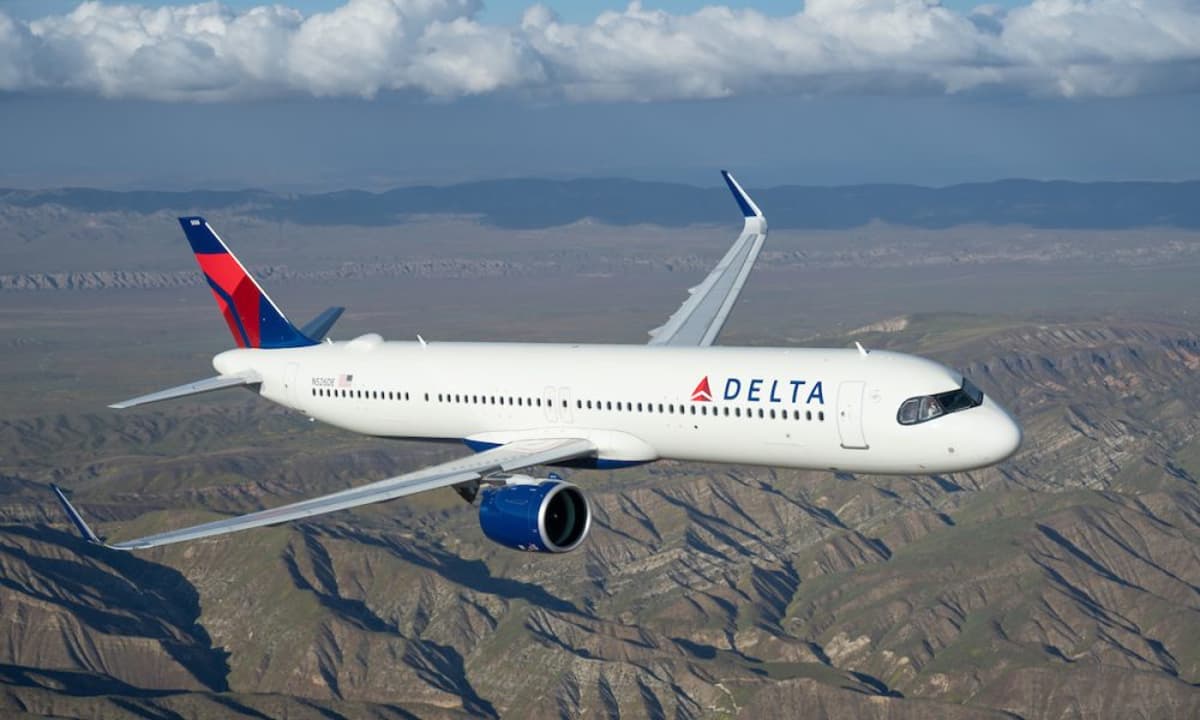
Delta Airlines Rejects Starlink, and the Reason Will Probably Shock You
Key Takeaways
- •Delta chose Amazon Leo over Starlink for Wi‑Fi rollout.
- •Starlink requires zero‑friction, portal‑free connectivity for airline partners.
- •Delta’s “Delta Sync” portal would limit passenger experience.
- •Airlines using Starlink report higher customer satisfaction scores.
- •SpaceX accepts lower margins to prioritize seamless in‑flight internet.
Pulse Analysis
Airlines have long grappled with the challenge of delivering reliable, high‑speed internet at 35,000 feet. Delta’s recent decision to partner with Amazon’s Project Kuiper, rather than SpaceX’s Starlink, reflects a strategic emphasis on maintaining control over its digital passenger journey through the Delta Sync portal. While the portal could deepen loyalty‑program engagement, it also introduces an extra login step and potential paywalls, which many travelers find cumbersome. In contrast, Starlink’s model eliminates captive portals entirely, promising a home‑like broadband experience that works instantly for any device on board.
SpaceX’s approach to airline contracts is deliberately low‑margin, prioritizing frictionless access over immediate revenue. By refusing to embed portals or advertising layers, Starlink positions itself as the default connectivity solution for carriers that value passenger satisfaction above ancillary fees. This philosophy has already paid dividends: United, Qatar Airways, and Air France report higher Net Promoter Scores and increased in‑flight productivity among business travelers. The trade‑off for SpaceX is a reduced share of the ancillary revenue stream, but the long‑term payoff could be a broader ecosystem of airline partners that view Starlink as a competitive differentiator.
The broader market implication is a potential shift toward satellite‑based, portal‑free Wi‑Fi as the industry benchmark. As Amazon Leo ramps up its constellation to meet Delta’s 2028 rollout target, airlines will weigh the benefits of brand‑controlled portals against the risk of falling behind on passenger experience. If Starlink continues to deliver seamless connectivity, carriers may be compelled to renegotiate terms or adopt hybrid models, ultimately driving higher standards for in‑flight internet across the sector.
Delta Airlines rejects Starlink, and the reason will probably shock you
Comments
Want to join the conversation?