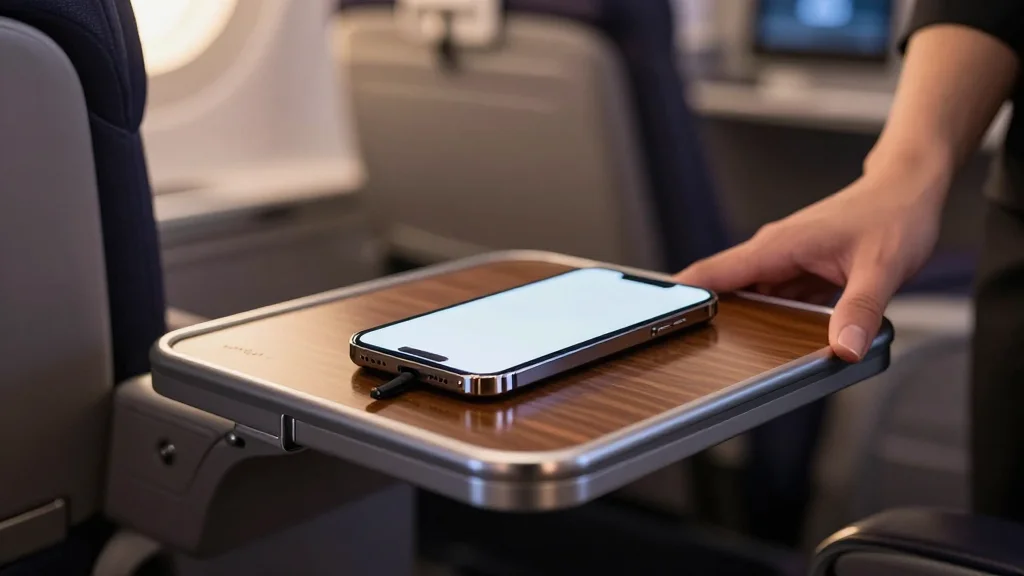
Delta Passenger Refuses To End Phone Call — Entire Miami Flight Deplanes To Remove Them
Key Takeaways
- •Delta deplaned Miami‑Atlanta flight after passenger refused airplane‑mode compliance
- •FCC prohibits cellular use in air; FAA mandates airline procedures
- •Non‑compliant behavior can cause costly delays and passenger inconvenience
- •Some carriers offer onboard picocells or satellite Wi‑Fi for safe connectivity
Pulse Analysis
The Miami‑Atlanta incident provides a vivid reminder of why the FCC and FAA maintain strict rules on in‑flight device use. While a single iPhone poses minimal risk to a modern 787, regulators focus on the cumulative effect of multiple transmitters and the potential for interference with avionics. Airlines therefore enforce airplane‑mode policies as a clear, enforceable line once doors close, reducing ambiguity for crew and passengers alike. The deplaning of flight 1323 illustrates how quickly a compliance breach can evolve into a full‑scale operational event, costing airlines time, fuel and reputation.
Technology offers alternatives that satisfy both connectivity demand and safety mandates. Many carriers have installed onboard picocells that create a low‑power cellular environment, routing calls through satellite or air‑to‑ground links. Part 135 operators such as JSX and private‑jet services often provide Wi‑Fi calling or direct satellite connections, allowing passengers to stay reachable without violating FCC rules. These solutions, however, require significant capital investment and regulatory approval, limiting their rollout to premium or niche markets. As consumer expectations for constant connectivity rise, airlines must balance infrastructure costs against the risk of enforcement actions.
From a business perspective, the cost of deplaning a full aircraft far exceeds any potential revenue from a single passenger’s call. Airlines face crew overtime, fuel burn from additional taxi cycles, and cascading schedule disruptions that ripple through hub operations. The incident reinforces the importance of clear communication and pre‑flight reminders about device policies. It also signals to regulators that enforcement remains a priority, potentially prompting stricter penalties for repeat offenders. For travelers, the takeaway is simple: comply with airplane‑mode requests or risk being removed from the flight, while airlines continue to explore safe, scalable connectivity solutions to meet modern expectations.
Delta Passenger Refuses To End Phone Call — Entire Miami Flight Deplanes To Remove Them
Comments
Want to join the conversation?