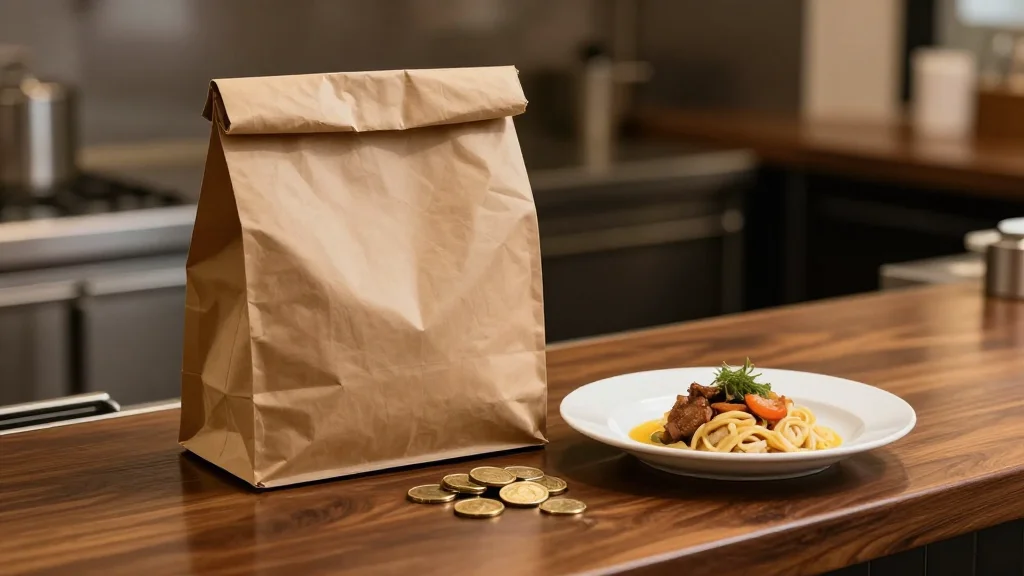
DoorDash Is Bad For Restaurants, Drivers, And Customers — Why Does Everyone Keep Using It?
Key Takeaways
- •DoorDash commissions range from 15% to 30% per order.
- •Restaurants add menu surcharges to offset platform fees.
- •Drivers earn less than a decade ago, affecting service quality.
- •Restaurants forfeit customer data and direct marketing opportunities.
- •Platform exposure can boost order volume but pressures margins.
Pulse Analysis
Third‑party delivery platforms have reshaped the U.S. restaurant landscape, offering instant access to a broad customer base but at a steep price. DoorDash typically levies 15%‑30% commissions on each order, with a reduced 6% rate for qualifying pickup partners. Because restaurant profit margins hover between 3% and 5%, these fees force owners to either raise menu prices or absorb the cost, both of which can erode competitiveness. The platform’s opaque pricing and occasional negotiated deals for large chains further complicate cost forecasting for independent operators.
Driver compensation is another critical piece of the puzzle. Over the past decade, earnings per delivery have declined, prompting concerns about turnover and service quality. Rude or inattentive drivers can damage a restaurant’s reputation, especially when food arrives cold or mishandled. For consumers, the combined effect of delivery fees, service charges, and higher menu prices can add 30%‑50% to the total bill, prompting price‑sensitive diners to reconsider ordering. The resulting brand dilution challenges restaurants that rely on in‑house service to maintain quality standards.
Faced with these trade‑offs, restaurateurs are exploring alternatives. Some launch proprietary delivery fleets, gaining control over the customer experience and retaining valuable data for loyalty programs, though they assume higher operational costs. Hybrid models—using the platform for peak‑time overflow while handling core orders internally—can balance exposure with margin protection. As the market matures, we may see more negotiated fee structures, tiered pricing, or even regulatory pressure to ensure fair labor practices, reshaping the economics of food‑delivery partnerships.
DoorDash Is Bad For Restaurants, Drivers, And Customers — Why Does Everyone Keep Using It?
Comments
Want to join the conversation?