Key Takeaways
- •Fuel protests block Dublin roads, causing four‑day gridlock
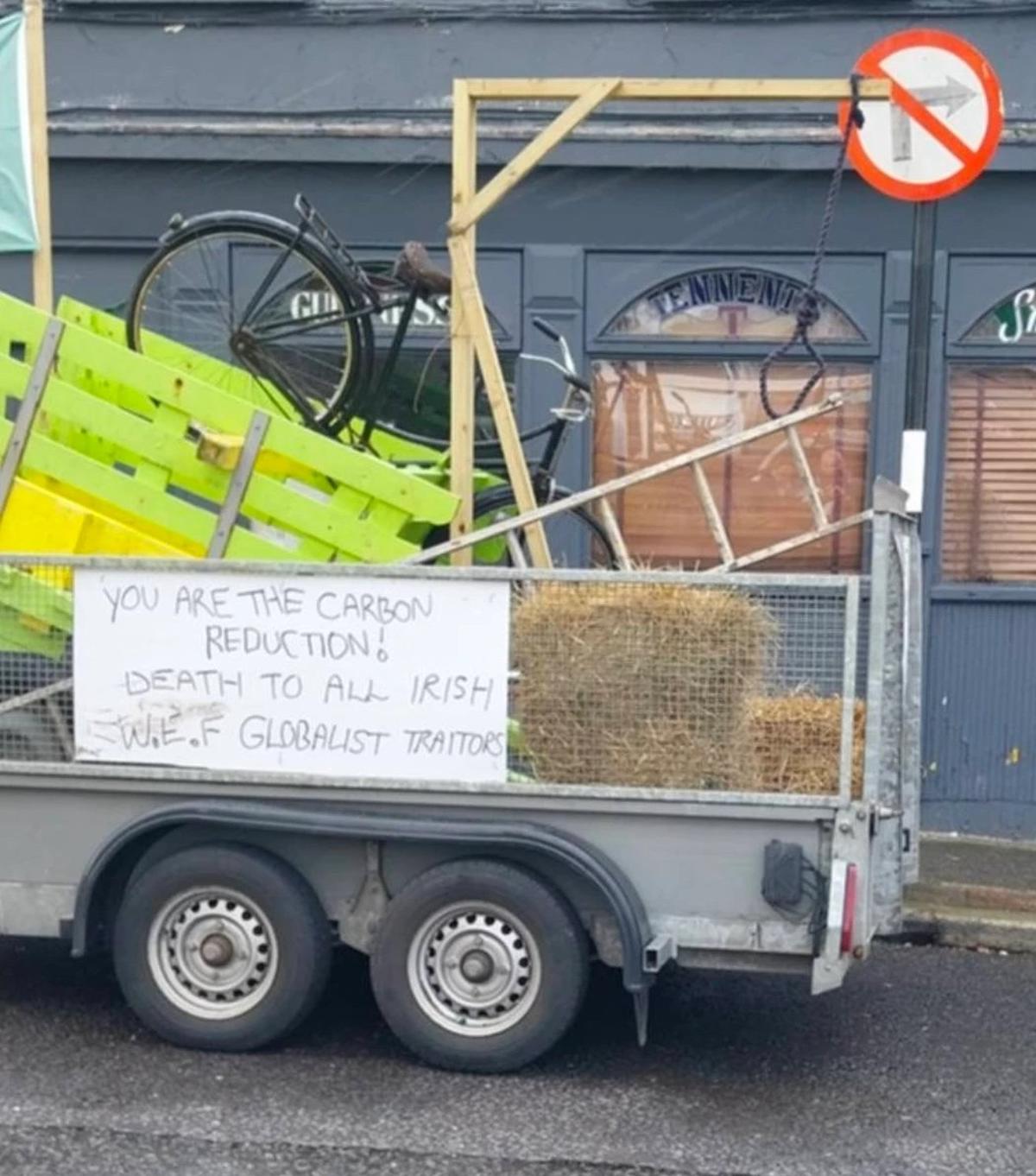
- •Protesters linked to far‑right groups exploiting high fuel costs
- •Gardaí enforce climate protests but not fuel blockades, raising double‑standard concerns
- •Potential supply chain disruptions threaten retail and emergency services
- •Ringleader James Geoghegan has tax evasion and animal‑cruelty judgments
Pulse Analysis
Ireland’s latest fuel protests echo the 2000 UK blockades, but the political undercurrents differ. Sparked by a sharp rise in diesel and gasoline costs—an indirect fallout of the United States’ renewed hostilities with Iran—far‑right factions have seized the issue to amplify anti‑government sentiment. By positioning themselves as victims of “unfair taxation,” they attract media attention and public sympathy, even as their tactics mirror illegal road obstruction under the Road Traffic Act 1961. The involvement of high‑profile agitators like James Geoghegan, whose personal legal troubles include tax evasion and animal‑cruelty convictions, adds a layer of controversy that fuels the narrative of hypocrisy.
The immediate economic impact extends beyond commuter frustration. Gridlocked arteries delay freight deliveries, risking stock shortages in supermarkets and jeopardizing time‑critical medical transports. Emergency services report slower response times, a concern that could translate into higher morbidity rates during peak periods. For a nation where agriculture accounts for roughly 10% of GDP, any interruption in the supply chain threatens both domestic consumption and export commitments, potentially inflating food prices and eroding consumer confidence.
Law‑enforcement’s selective enforcement has sparked a legitimacy debate. While Gardaí have aggressively policed climate‑change demonstrations, they appear reticent to act against the fuel blockades, prompting accusations of bias toward far‑right elements. This perceived double standard undermines public trust and may embolden further civil disobedience. A balanced response—combining targeted traffic‑law enforcement with dialogue on fuel subsidies and tax policy—could defuse tensions while preserving the rule of law. Stakeholders, from transport firms to policymakers, must monitor the situation closely to mitigate long‑term economic and social fallout.
Double Standards and Ireland’s “Fuel Protests”
Comments
Want to join the conversation?