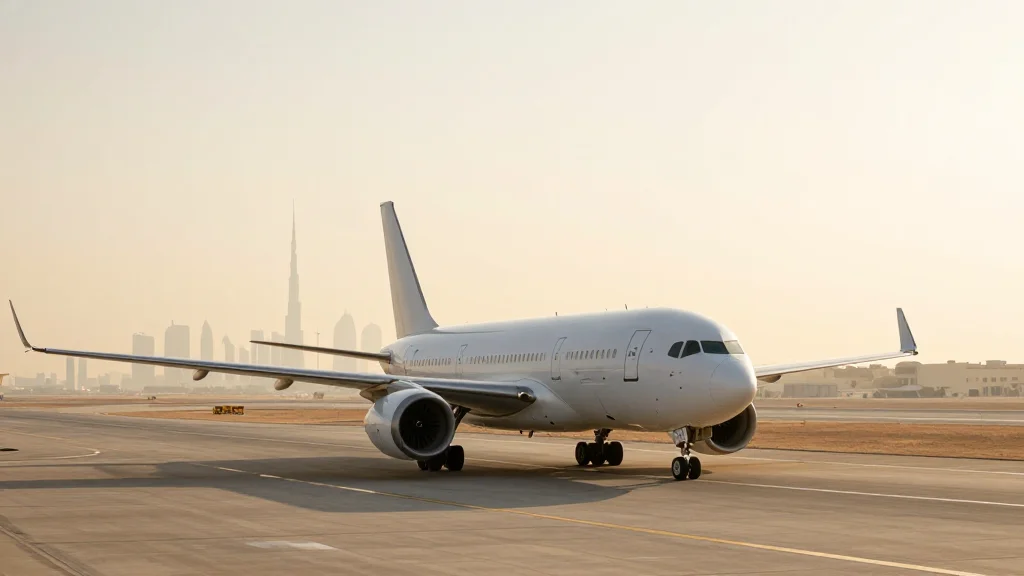
Dubai Is Limiting Foriegn Airlines to Just One Flight Per Day to the City’s Airports As Emirates Rebuilds Its Capacity
Key Takeaways
- •Dubai caps foreign airlines at one round‑trip daily per airport
- •Emirates and FlyDubai retain majority of slots amid post‑conflict recovery
- •Indian carriers push for relief; India accounts for 11.9 M 2025 passengers
- •European airlines redirect capacity to India, bypassing Gulf routes
- •Pricing battle emerges between Gulf discounts and premium direct flights
Pulse Analysis
Dubai’s new flight‑capacity cap, announced after a brief ceasefire with Iran, reflects a strategic effort to prioritize home‑grown carriers while managing limited runway slots. Although the original safety rationale has faded, the restriction remains, effectively throttling foreign airlines to a single round‑trip per day at both DXB and DWC. This creates an artificial scarcity that benefits Emirates and FlyDubai, allowing them to rebuild frequencies lost during the conflict and to capture higher‑yield traffic, especially on lucrative India‑Dubai corridors.
India’s significance to Dubai cannot be overstated; the emirate handled roughly 11.9 million Indian passengers in 2025, making it its largest inbound market. Indian airline groups have appealed to New Delhi for diplomatic pressure, fearing that the cap could erode market share and passenger convenience. Meanwhile, Emirates is rapidly scaling its India schedule, adding multiple daily flights to Delhi and Mumbai, while Indian carriers seek reciprocal caps on Gulf airlines. The tug‑of‑war underscores how geopolitics can directly influence airline capacity negotiations and bilateral aviation agreements.
The longer‑term impact hinges on whether airlines and passengers adapt to a new routing paradigm. European carriers are already shifting capacity to Indian hubs, offering direct Europe‑India services that sidestep the Gulf entirely. This could cement a permanent reallocation of traffic if passengers accept higher fares for direct routes or if Gulf airlines cannot match discount levels. Conversely, if the ceasefire evolves into lasting stability, Emirates may reclaim lost demand with aggressive pricing, potentially reversing the current trend. Stakeholders will watch closely as slot allocations, pricing strategies, and geopolitical developments converge to reshape Middle‑East air travel.
Dubai is Limiting Foriegn Airlines to Just One Flight Per Day to the City’s Airports As Emirates Rebuilds its Capacity
Comments
Want to join the conversation?