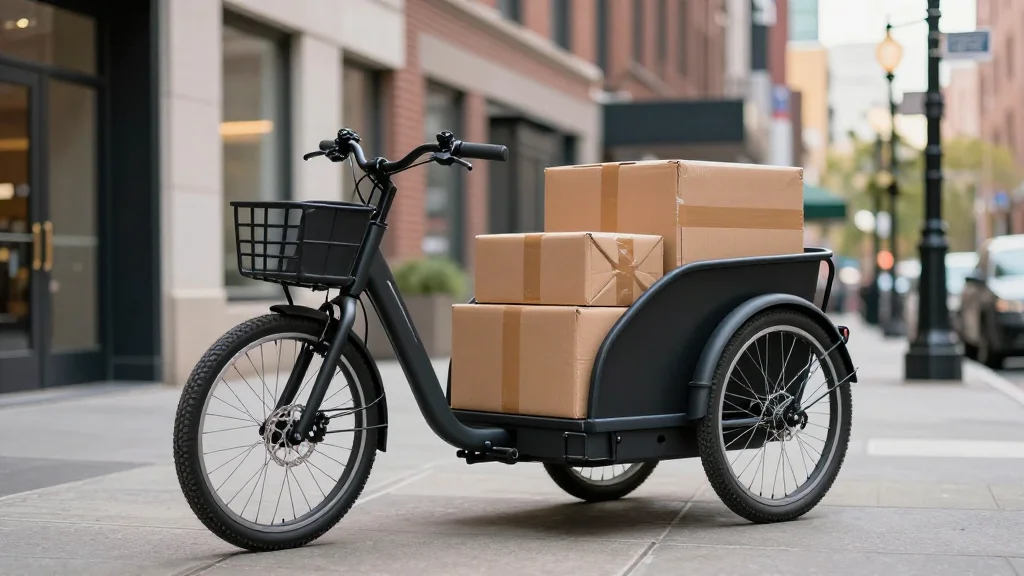
E-Bikes Are Transforming Urban Delivery. Here’s What Cities and Brands Need Next

Key Takeaways
- •NYC cargo‑bike trips hit 130,000, delivering 5 million packages in 2022
- •Amazon’s European micromobility hubs completed over 100 million electric bike deliveries since 2017
- •Miami’s e‑bike law spurs pilot programs, positioning it as a Southeast hotspot
- •Swappable‑battery cargo bikes now carry 400 lb, extending range and uptime
- •Cities grant cargo‑bike loading zones, cutting van idle time and curb congestion
Pulse Analysis
The surge in e‑bike adoption reflects a fundamental re‑engineering of urban logistics. Congested streets, scarce curb space and the high cost of van idle time have pushed major carriers to experiment with smaller, electric‑assisted cargo platforms. Data from New York City shows that a modest fleet of 450 bikes can move millions of parcels annually, delivering comparable volumes to a fraction of the vans while slashing emissions. This operational shift is echoed across Europe, where Amazon’s micromobility hubs have become a backbone of same‑day fulfillment, proving that electric cargo bikes can scale beyond niche food‑delivery use cases.
For e‑commerce brands, the strategic implication is clear: micromobility should be integrated as a distinct layer within a multi‑modal delivery network. Partnering with 3PLs that already operate cargo‑bike services or tapping into city‑run micro‑hubs can accelerate rollout without the capital outlay of owning a fleet. Advances in swappable‑battery technology now allow bikes to carry up to 400 lb and stay on the road longer, reducing downtime for charging and simplifying fleet management. Brands that align their order‑volume analytics with these capabilities can route high‑frequency, low‑weight parcels to bikes, reserving vans for bulk or suburban shipments, thereby optimizing cost per mile and improving the customer experience.
Policy momentum further fuels the e‑bike trajectory. Municipalities like New York and Miami are creating dedicated loading zones and revising vehicle classifications to accommodate cargo bikes, effectively granting them curb‑side priority that vans lack. Such regulatory support not only mitigates congestion but also enhances a retailer’s ESG narrative, a growing factor in consumer choice and investor scrutiny. As battery safety standards tighten and city pilots expand, the next two years will likely see cargo‑bike fleets swell to thousands, making them a competitive differentiator for brands that act now.
E-Bikes Are Transforming Urban Delivery. Here’s What Cities and Brands Need Next
Comments
Want to join the conversation?