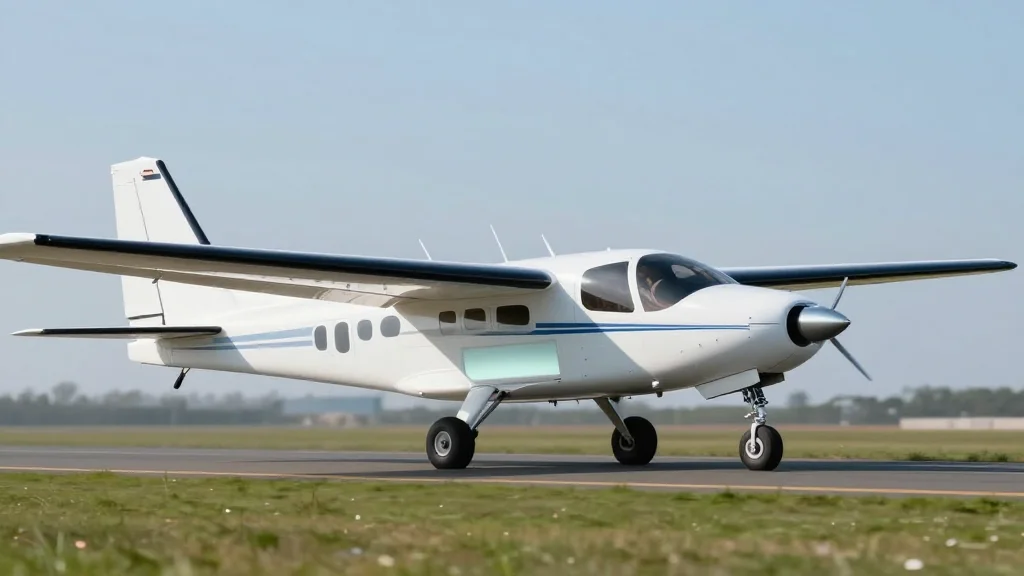
Electric Airplane Powered By Solid-State Batteries Completes Test Flight
Key Takeaways
- •Helios Horizon flew a 25‑ft electric plane with solid‑state batteries.
- •Battery pack cost $30,000, 3‑4× more than LiPo packs.
- •Energy density reached 410 Wh/kg, 60‑80% higher than conventional cells.
- •Flight demonstrated 60 mph speed, under 500 ft altitude, pilot‑only.
- •Solid‑state cells promise 15‑minute 80% charge and improved safety.
Pulse Analysis
Solid‑state batteries have long been hailed as the next leap in energy storage, but their commercial debut has been delayed by manufacturing challenges and safety concerns. The recent Helios Horizon flight marks a tangible milestone, showing that a non‑commercial, nonprofit‑run demonstrator can integrate commercially sourced solid‑state cells into an airframe. By achieving a 410 Wh/kg energy density—well above the 260 Wh/kg of traditional lithium‑polymer packs—the aircraft demonstrates the potential to shrink battery weight while extending range, a critical factor for electric aviation where every pound matters.
The test flight also offers a realistic cost perspective. At $30,000 per pack, the solid‑state solution is currently three to four times pricier than conventional LiPo equivalents, reflecting the early‑stage nature of the supply chain. However, the higher energy density translates to a lighter battery load—160 to 320 lb for two or four packs—allowing the 1,300 lb aircraft to maintain a modest 60 mph cruise without sacrificing structural limits. Faster 15‑minute charging to 80% capacity and enhanced thermal stability further differentiate the technology, promising lower turnaround times and reduced fire risk, both essential for commercial viability.
Looking ahead, industry observers anticipate certification of solid‑state batteries for aviation within the next two to three years, contingent on scaling production and meeting rigorous regulator standards. If price reductions follow the projected trajectory, electric planes could achieve longer routes and higher payloads, challenging conventional turboprop and regional jet markets. Moreover, the safety advantages may open doors for urban air mobility and cargo drones, where weight and rapid charging are paramount. Helios Horizon’s demonstration thus serves as both a proof‑of‑concept and a catalyst for broader investment in solid‑state powertrains across the aerospace sector.
Electric Airplane Powered By Solid-State Batteries Completes Test Flight
Comments
Want to join the conversation?