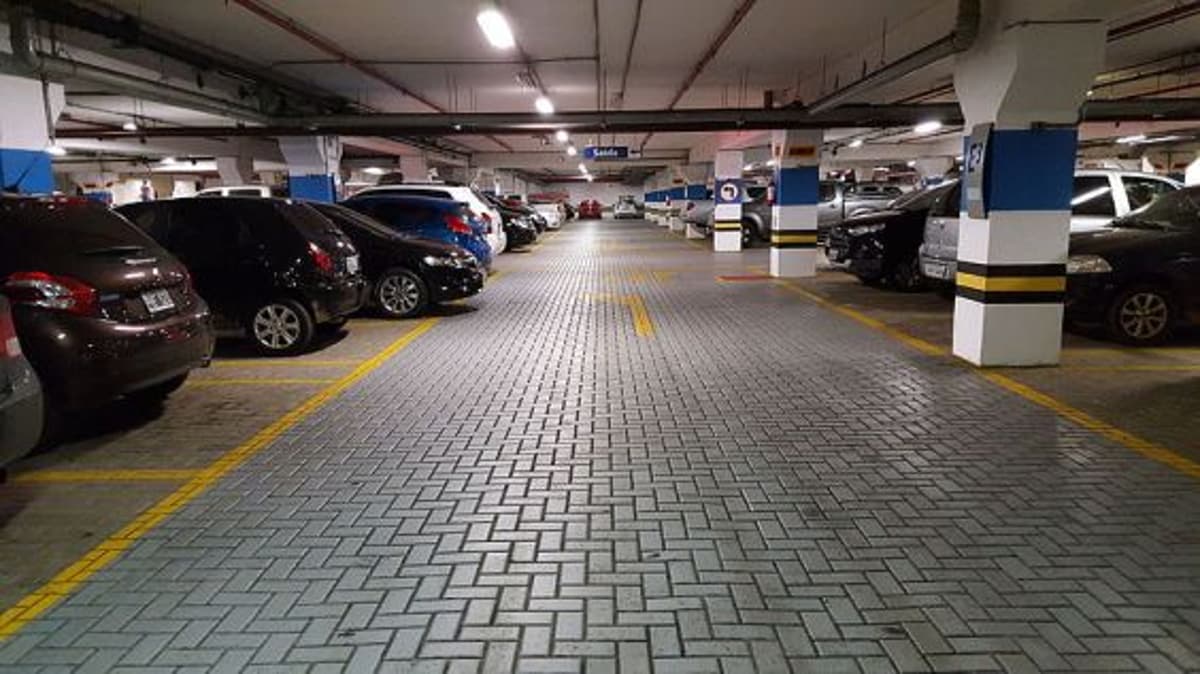
Exactly How Much It Cost to Build the Average Parking Space In Your City
•March 3, 2026
0
Key Takeaways
- •Aboveground parking averages $52,000; underground $73,000 (2025)
- •Parking costs now exceed average new car price
- •Construction costs rose 50% faster than inflation since 2012
- •Required parking may equal one‑third of office budgets
- •Cities like SF, Minneapolis repealed minimum parking mandates
Summary
A new UCLA study reveals that building a parking space now costs more than a typical new car, with above‑ground spots averaging $52,000 and underground spots $73,000 in 2025. The analysis of 17 U.S. cities shows construction costs for parking have risen about 50% faster than overall inflation since 2012. Required off‑street parking can consume up to a third of an office building’s budget and adds $50,000‑$100,000 per apartment unit. These high costs are prompting several cities to rethink or repeal parking minimums.
Pulse Analysis
The UCLA Center for Parking Policy’s latest report shines a light on a hidden cost driver in urban development: parking construction. While a new vehicle tops out around $50,000, an above‑ground parking stall now costs roughly $52,000 and an underground slot climbs to $73,000. This surge outpaces general inflation, reflecting higher material prices, labor shortages, and stricter engineering standards. Compared with the 2012 baseline—$24,000 for surface spots and $34,000 underground—the escalation underscores how parking has become a premium commodity in city building budgets.
Developers feel the pinch directly. In office towers, mandated parking can represent 16% to 53% of total construction spend, depending on whether the spaces are surface or subterranean. Residential projects face similar pressures, with required parking inflating unit costs by $50,000 to $100,000, disproportionately affecting smaller apartments and squeezing affordable‑housing pipelines. The added expense forces investors to target only high‑margin projects, reducing the supply of mid‑range office and housing stock and driving up rents and property values for existing assets.
Policymakers are responding by dismantling outdated parking minimums. Cities such as San Francisco, Minneapolis, Portland, Austin, Denver, and now Los Angeles are either fully or partially eliminating these mandates, recognizing that excessive parking requirements stifle growth and affordability. The shift toward market‑driven parking solutions promises to lower construction costs, free up land for more productive uses, and accelerate the delivery of housing and commercial space. As more municipalities adopt parking reforms, the industry may see a gradual rebalancing of development economics, with resources redirected from costly parking structures to more valuable, people‑centric amenities.
Comments
Want to join the conversation?