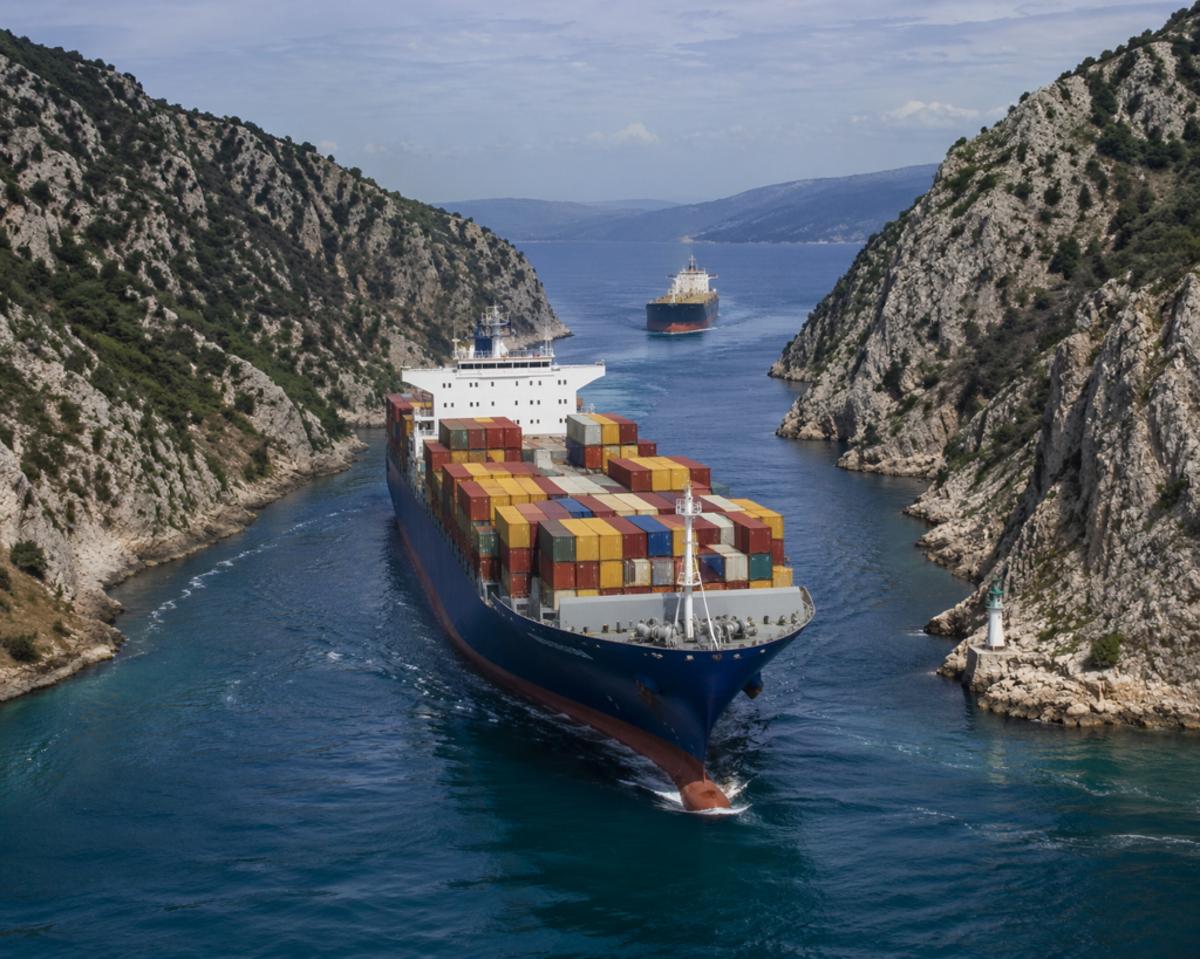
Explainer: Chokepoints as Instruments of Power
Key Takeaways
- •Chokepoints now serve as leverage in geopolitical disputes
- •Disruptions raise freight rates and insurance costs globally
- •Energy markets react sharply to Strait of Hormuz tensions
- •Suez Canal blockages expose supply‑chain fragility
- •Navies increasingly patrol chokepoints to ensure security
Pulse Analysis
Maritime chokepoints have become the linchpins of modern global commerce, turning geography into a strategic asset. While the post‑war era treated these narrow passages as minor inconveniences—adding insurance premiums and occasional piracy risk—today they are focal points for statecraft. Nations with proximity to the Strait of Hormuz, the Bab el‑Mandeb, or the Panama Canal can threaten to halt the flow of oil, liquefied natural gas, and containerized goods, instantly influencing world markets. This shift reflects a broader trend where physical infrastructure is weaponized to achieve diplomatic objectives, compelling businesses to factor geopolitical risk into routing decisions.
The economic implications of chokepoint volatility are profound. A single blockage can trigger a cascade of price spikes, as seen when the Suez Canal obstruction in 2021 forced carriers to reroute around the Cape of Good Hope, adding weeks to transit times and inflating freight costs by up to 30 percent. Energy traders monitor the Strait of Hormuz closely; any hint of Iranian interference can push Brent crude futures higher within hours. Moreover, insurers adjust premiums in real time, embedding risk assessments for each passage into policy pricing. Companies are therefore diversifying routes, stockpiling inventory, and investing in alternative logistics to mitigate exposure.
Looking ahead, the strategic importance of chokepoints will likely intensify as global trade volumes rebound and energy transition drives new shipping patterns. Nations are bolstering naval presence to safeguard their interests, while alliances such as NATO and the Quad discuss coordinated patrols. For businesses, the key is proactive scenario planning: mapping chokepoint risk, securing flexible contracts, and leveraging technology for real‑time monitoring. Understanding the power dynamics of these maritime gateways is essential for any firm that relies on the seamless flow of goods across the world’s oceans.
Explainer: Chokepoints as instruments of power
Comments
Want to join the conversation?