Federal Crash Investigators Discover Internet Sleuths Have Attempted to Reconstruct Cockpit Voice Audio From Fatal Crash of UPS Plane
Key Takeaways
- •Internet sleuths reconstructed cockpit audio from NTSB spectrograms
- •NTSB temporarily shut down public docket to protect sensitive data
- •AI-driven image analysis enabled unauthorized access to protected recordings
- •Privacy breach raises concerns for future aviation investigation transparency
- •Regulators may tighten data release policies amid emerging tech risks
Pulse Analysis
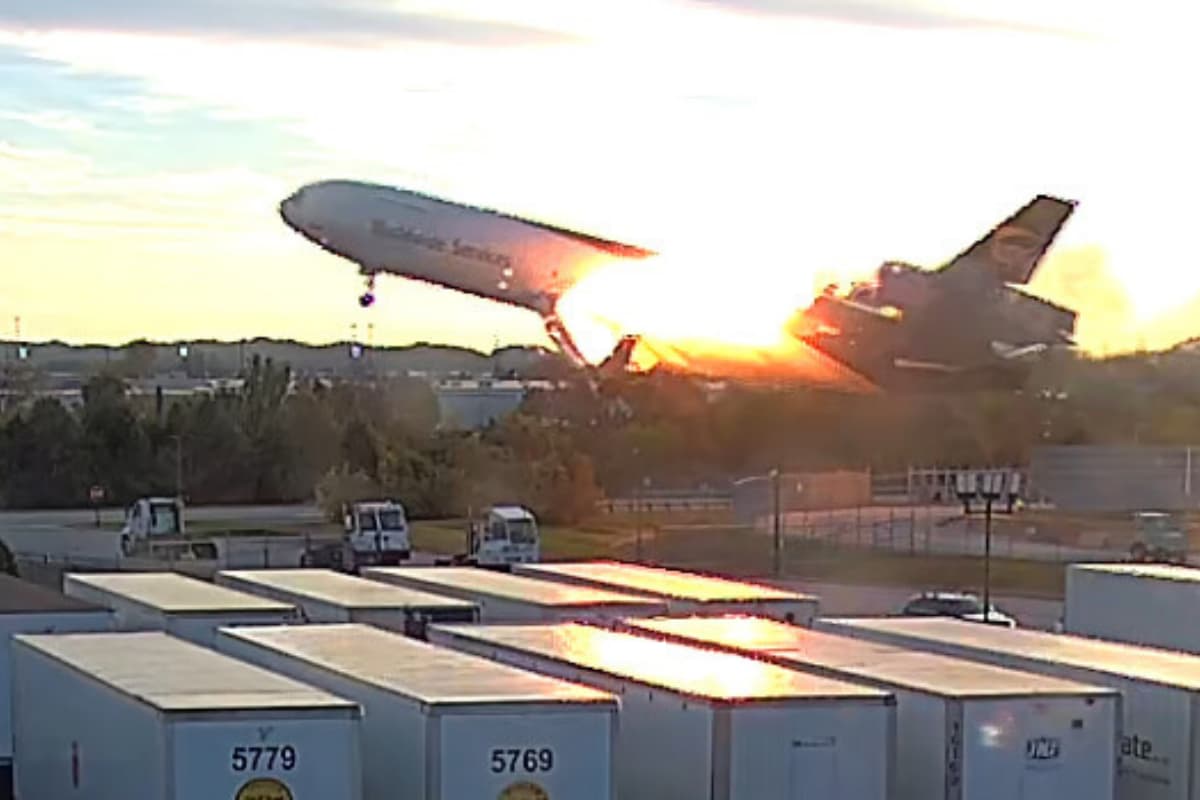
The fatal UPS flight 2976 crash on Nov. 4, 2025, prompted the NTSB to publish a wealth of investigative material, including visual spectrograms that depict the frequency content of the aircraft’s cockpit voice recorder. While the agency is barred by federal law from releasing the raw audio, the spectrograms are intended to help analysts identify engine noises, warning tones, and impact events. In a surprising turn, hobbyist investigators applied off‑the‑shelf AI image‑recognition tools to these graphics, extracting an approximate audio track that mimics what the pilots may have said.
This development raises immediate privacy and security concerns. Cockpit communications are classified as highly sensitive because they can reveal procedural weaknesses, crew decision‑making, and proprietary aircraft systems. By reconstructing the audio, internet sleuths effectively bypassed legal safeguards, exposing the NTSB to potential litigation and eroding trust among airlines and manufacturers. The agency’s swift decision to suspend its docket underscores the growing challenge regulators face: balancing the public’s right to information with the need to protect data that, when weaponized, could jeopardize safety or competitive advantage.
Looking ahead, the incident is likely to prompt tighter controls on the type and granularity of data released during investigations. Regulators may consider redacting spectrograms, adding watermarks, or issuing explicit usage guidelines for AI‑enabled analysis. At the same time, the aviation community must grapple with the benefits of open data—faster independent analysis and broader stakeholder engagement—against the risk of unintended exploitation. As AI tools become more accessible, a proactive policy framework will be essential to preserve both transparency and the confidentiality that underpins effective safety oversight.
Federal Crash Investigators Discover Internet Sleuths Have Attempted to Reconstruct Cockpit Voice Audio From Fatal Crash of UPS Plane
Comments
Want to join the conversation?