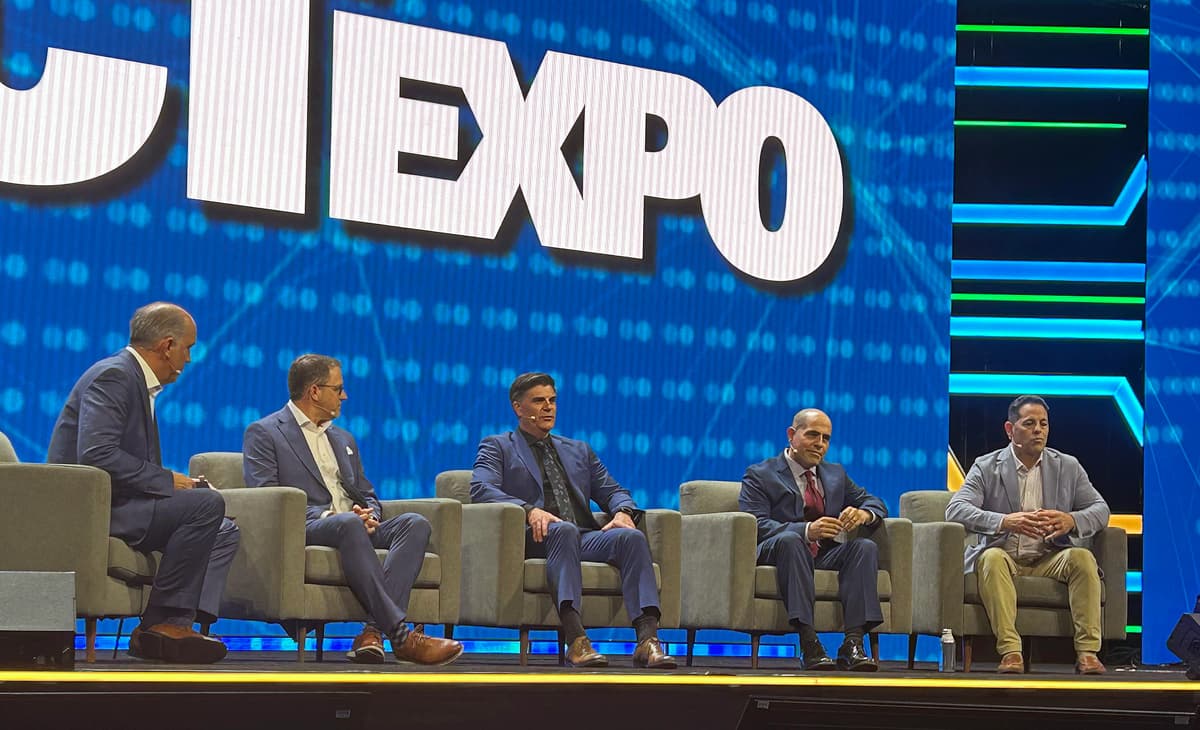
Fleet Leaders Weigh In on the Future of Tech
Key Takeaways
- •Penske uses Catalyst AI to boost fleet uptime and pricing.
- •NYC’s fuel costs rose $50 million, prompting EV adoption.
- •AI camera systems cut accidents, improving safety metrics.
- •First Fleet cites tech stack as key driver retention tool.
- •Industry urged to adopt incremental tech steps, avoid falling behind.
Pulse Analysis
The trucking sector is confronting a convergence of cost volatility, labor scarcity, and rapid technological progress that mirrors the industry’s earliest mechanization era. Companies that embed advanced analytics into daily operations can extract granular insights on fuel efficiency, route optimization, and equipment health, turning raw data into a strategic asset. Platforms like Penske’s Catalyst AI illustrate how predictive modeling can fine‑tune pricing strategies while maximizing vehicle uptime, a critical advantage when margins are squeezed by fluctuating diesel prices.
Financial pressures are a primary catalyst for change, as demonstrated by New York City’s $50 million increase in fuel expenses this year. By accelerating its electric‑vehicle procurement and leveraging renewable diesel for heavy‑duty units, the city not only met its 2025 greenhouse‑gas targets ahead of schedule but also unlocked cost savings that can be reinvested in other municipal services. This fiscal calculus underscores a broader industry trend: electrification is no longer a compliance checkbox but a lever for long‑term financial resilience, especially as federal incentives and state emissions standards tighten.
Beyond the balance sheet, technology is reshaping the human side of trucking. First Fleet’s emphasis on an integrated tech stack reflects a growing recognition that modern drivers expect connectivity, real‑time diagnostics, and safety assists as part of their employment package. AI‑driven camera systems and telematics provide continuous monitoring of driver behavior, reducing accident rates and insurance premiums. The consensus among panelists is clear—incremental adoption of these tools can deliver immediate gains, while waiting for a flawless, fully automated fleet risks falling irreparably behind competitors.
Fleet Leaders Weigh In on the Future of Tech
Comments
Want to join the conversation?