Key Takeaways
- •Oxford Street pedestrianisation approved, reshaping central London retail
- •Liverpool Street rebuild plans aim to increase capacity
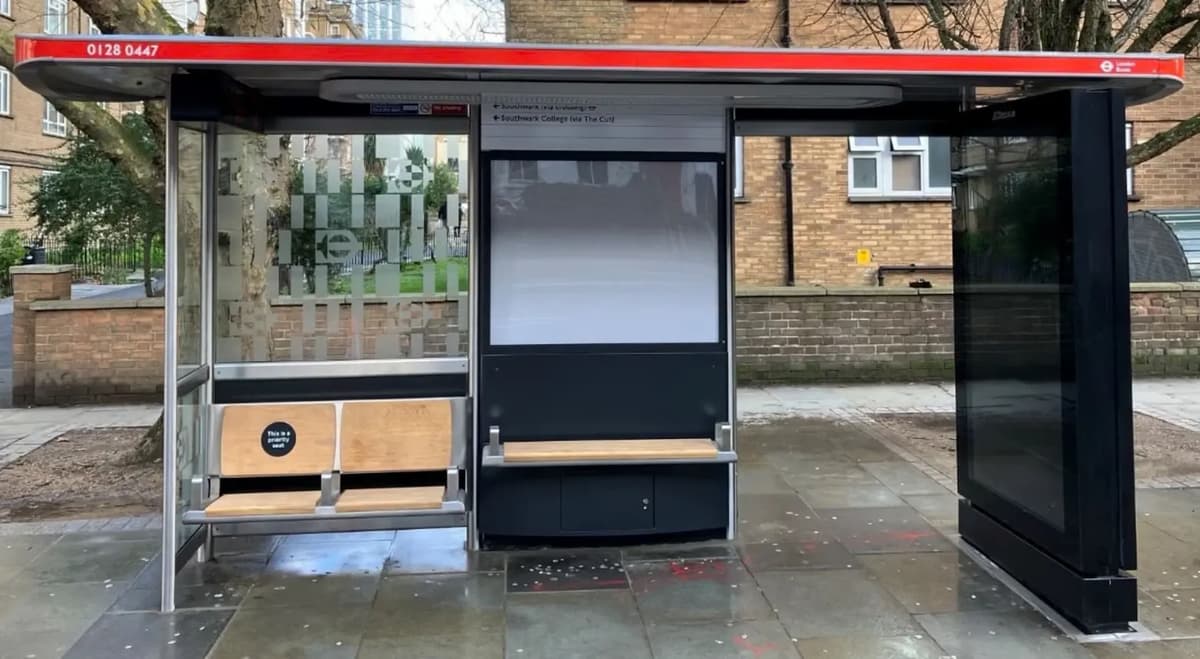
- •TfL testing innovative bus shelter prototypes across the city
- •Mini Switzerland project pilots coordinated rural transport in Hope Valley
- •Hull Trains partners with deaf charity for awareness film
Summary
London’s Friday Reads for 6 March curates eight transport‑focused stories, from the official approval of Oxford Street pedestrianisation to Liverpool Street’s ambitious rebuild, TfL’s experimental bus shelters, and a rural ‘Mini Switzerland’ transport demo. The roundup also links to a maglev history video, a Hull Trains film on hearing loss, an analysis of through‑running benefits, and a Shakespeare‑styled traffic essay. Together they highlight shifting priorities toward sustainable streets, multimodal integration, and cultural engagement in mobility planning.
Pulse Analysis
London’s decision to pedestrianise Oxford Street marks a watershed moment for the capital’s urban mobility agenda. The 1.2‑mile shopping artery will close to private vehicles, reallocating space for pedestrians, cyclists and public transport. Planners anticipate a 15‑20% reduction in traffic emissions and a boost to footfall‑driven retail sales, echoing similar schemes in European city centres. The move also aligns with the UK’s Net Zero targets and signals to developers that sustainable streetscapes are becoming a planning prerequisite rather than an afterthought.
Meanwhile, major infrastructure projects are reshaping London’s transport network. Network Rail’s £1.2 billion Liverpool Street rebuild promises additional platforms, upgraded concourse spaces and enhanced accessibility, positioning the station as a future hub for cross‑city services. In parallel, Transport for London is trialling modular bus shelters featuring solar‑powered lighting and real‑time information displays, aiming to improve rider experience and reduce maintenance costs. Outside the metropolis, the ‘Mini Switzerland’ demonstrator in the Hope Valley showcases coordinated rural mobility, integrating demand‑responsive buses with active‑travel pathways to test scalable solutions for low‑density regions.
Beyond physical upgrades, the sector is engaging with cultural narratives to broaden public perception of mobility. A new video dissecting why maglev systems have struggled to achieve commercial viability highlights technical, regulatory and cost barriers, offering lessons for emerging high‑speed projects worldwide. Hull Trains’ collaboration with the Centre for the Deaf, producing a short film on hearing loss, underscores the industry’s growing commitment to inclusive design and stakeholder outreach. Finally, thought‑leadership pieces on through‑running—linking services across London, Paris and Munich—illustrate how seamless network integration can unlock capacity gains and passenger convenience, reinforcing the strategic value of interoperable rail corridors.
Comments
Want to join the conversation?