Key Takeaways
- •East‑West Rail line finished but no passenger service launched
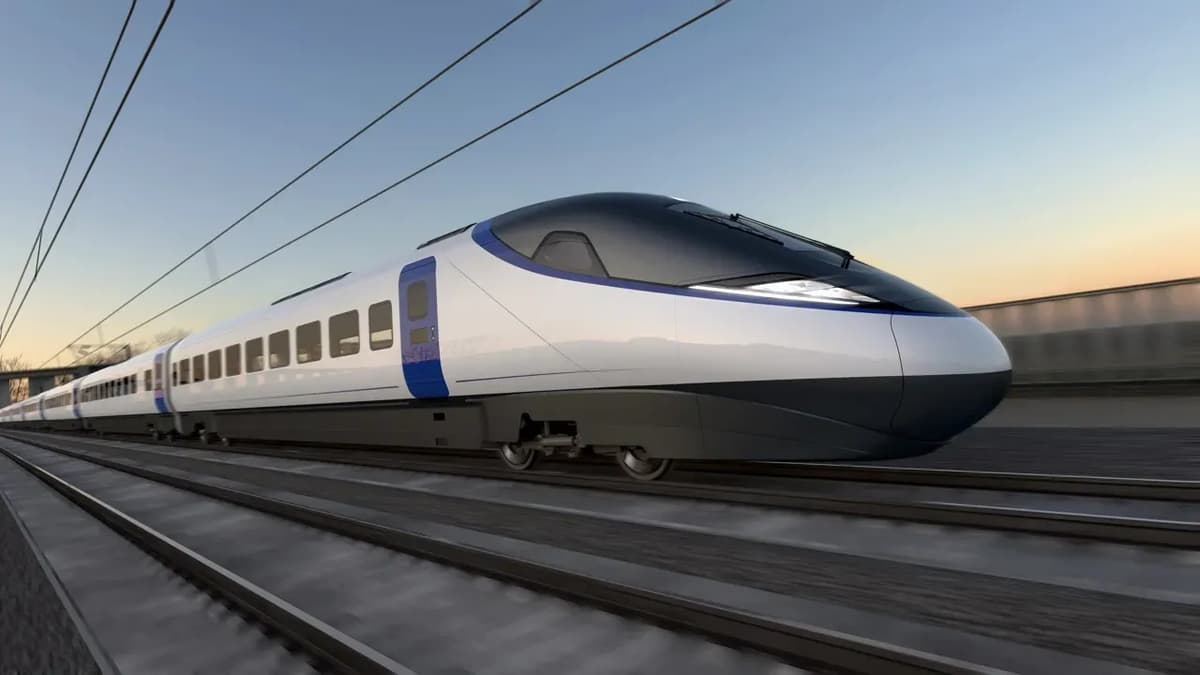
- •HS2 may overload without revised train specifications
- •Portishead rail reopening contracts signed after decades of delay
- •Abandoned Thameslink Moorgate branch featured in new video
- •Cities banning cars achieve lower traffic congestion and emissions
Pulse Analysis
The latest Friday Reads highlights a paradox in UK rail development: high‑profile projects like the East‑West Rail corridor are physically complete yet remain dormant, exposing a disconnect between construction milestones and operational readiness. This stagnation not only erodes public trust but also delays the economic benefits promised by such infrastructure. Simultaneously, HS2 faces scrutiny over its rolling‑stock specifications, with analysts warning that insufficient capacity could overwhelm the line from day one, prompting calls for a redesign before full commercial launch.
Beyond the headline rail stories, the roundup draws attention to evolving urban mobility strategies. Cities that have begun phasing out private cars report measurable drops in congestion and carbon emissions, reinforcing the case for car‑free zones as a climate mitigation tool. Meanwhile, niche initiatives like the “Mini Switzerland” guide propose integrated rural transport models that blend buses, trains, and active travel, offering a template for regions seeking to boost connectivity without heavy investment. The Portishead railway’s contract signings after decades of delay illustrate how persistent advocacy can finally translate into tangible progress, potentially revitalizing commuter corridors in the South West.
Collectively, these narratives signal a broader shift in transportation policy: a move from merely building assets to ensuring they serve passengers efficiently and sustainably. Stakeholders—from government agencies to private operators—must align project delivery timelines with service planning, adopt flexible train designs, and embrace multimodal solutions that reflect changing travel behaviors. As the Tyne & Wear Metro’s wayfinding challenges demonstrate, even mature networks require continual user‑focused refinements to maintain relevance in a rapidly evolving mobility landscape.
Friday Reads for May 6
Comments
Want to join the conversation?