Key Takeaways
- •US has world’s largest rail network but passenger service is underutilized
- •Freight dominates, moving coal at ~5 mph, limiting passenger speeds
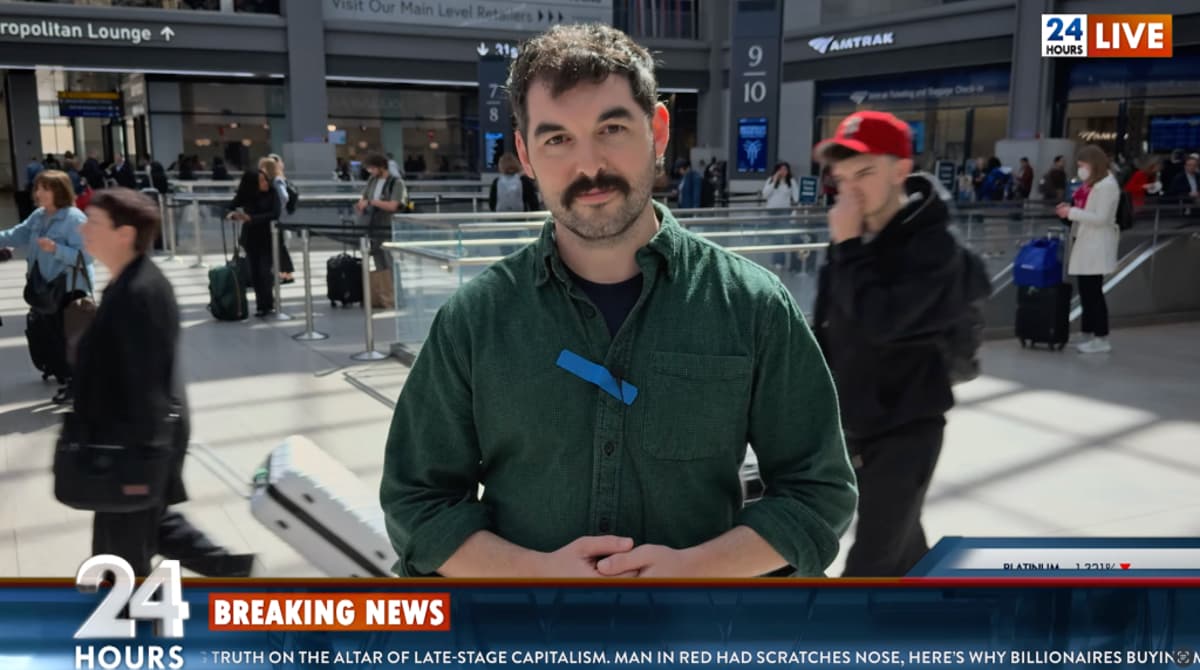
- •Climate Town video condenses 200 years of passenger rail history in 30 minutes
- •Video suggests policy reforms and investment to revive U.S. passenger rail
Pulse Analysis
The United States boasts the world’s largest rail network, stretching over 140,000 miles, yet passenger trains occupy a tiny fraction of that mileage. Since the mid‑20th century, federal subsidies shifted toward highways and airlines, while freight operators—especially coal haulers—came to dominate the tracks, often running at speeds comparable to a slow jog. This legacy leaves travelers with limited intercity options, higher reliance on cars and planes, and a transportation system that contributes disproportionately to greenhouse‑gas emissions compared with rail‑rich regions such as Europe and East Asia.
Climate Town’s latest video, hosted by Rollie Williams, compresses 200 years of this decline into a punchy 30‑minute presentation that blends satire with rigorous research. The creators walk viewers through the rise of the private railroads, the post‑World War II dismantling of passenger routes, and the missed opportunities of high‑speed corridors. By using vivid graphics, pop‑culture references and even a cameo by Jim Cramer, the film makes complex policy history accessible to a broad audience while still delivering concrete data on ridership trends and infrastructure gaps.
The video’s “recipe for fixing the mess” aligns with a growing bipartisan consensus that modernizing passenger rail can serve climate goals and regional economic development. Recommendations include federal funding for high‑speed corridors, streamlined permitting, and public‑private partnerships that leverage private capital without sacrificing service quality. If enacted, these measures could reduce carbon emissions by up to 30 million metric tons annually, create thousands of construction jobs, and provide a competitive alternative to congested highways. Stakeholders—from city planners to climate advocates—now have a concise, media‑savvy blueprint to push forward.
Friday Video: Dude, Where Are My Trains?
Comments
Want to join the conversation?