Key Takeaways
- •Uber targets $1 trillion via robotaxi expansion
- •California cuts $1.7 B from high‑speed rail plan
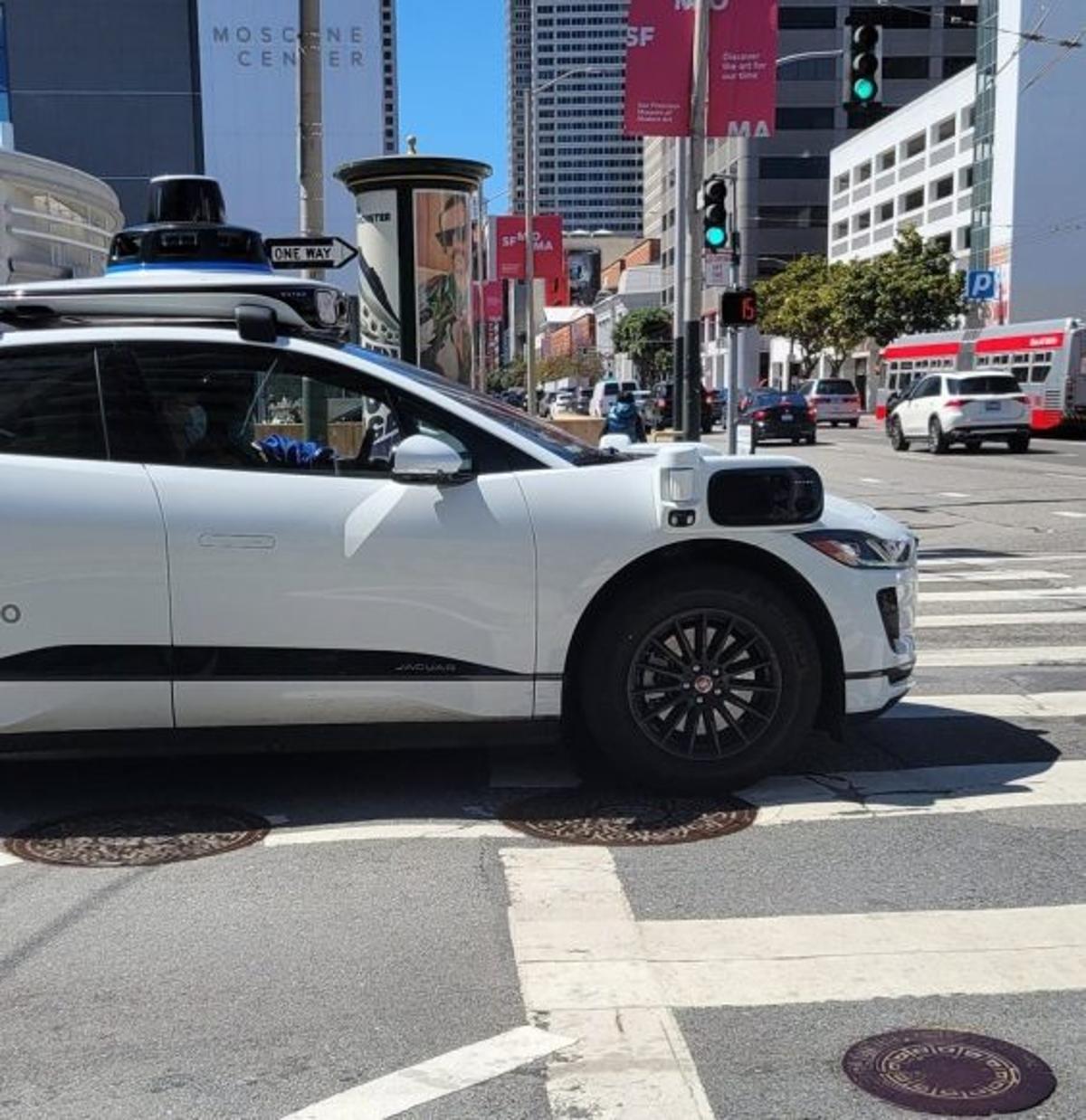
- •Waymo fleet stalled during San Francisco blackout
- •Cities prioritize bike lanes despite parking concerns
- •Nevada aims 35% traffic‑death reduction by 2035
Summary
Cities across North America are confronting a wave of mobility challenges, from Uber’s trillion‑dollar driverless‑car ambition to shrinking California high‑speed rail budgets. Snow‑shovel mandates, power‑outage‑induced Waymo freezes, and new bike‑lane battles illustrate the friction between legacy infrastructure and emerging transport modes. Local leaders, such as San Francisco’s mayor and Pittsburgh’s transit agency, are pushing for fresh funding and frequency‑focused service. Meanwhile, states like Nevada are setting aggressive traffic‑death reduction targets, underscoring a broader safety push.
Pulse Analysis
The race to integrate autonomous vehicles into city streets is reshaping corporate strategies and municipal regulations. Uber’s CEO Dara Khosrowshahi frames robotaxis as the cornerstone of a $1 trillion valuation, prompting cities to draft zoning, safety, and data‑sharing frameworks that balance innovation with public welfare. Simultaneously, incidents like the Waymo fleet freeze during San Francisco’s December outage highlight the fragility of electric‑driven fleets and the need for resilient energy planning.
Public transit agencies are confronting funding shortfalls while seeking to improve service reliability. San Francisco’s mayor is championing a parcel‑tax measure to bolster Muni, and Pittsburgh’s Regional Transit is redesigning routes to prioritize frequency on high‑demand corridors. These moves reflect a broader trend: municipalities are leveraging localized tax tools and data‑driven scheduling to sustain ridership amid competing mobility options such as ride‑hailing and micro‑mobility.
At the same time, active‑transport infrastructure is expanding despite resistance from property owners and drivers. Bike lanes are proliferating in Portland, Richmond, and Huntsville, while Toronto’s Shaw Street experiment demonstrates how reallocating road space can dramatically boost cycling volumes. Coupled with Nevada’s ambitious 35% traffic‑death reduction goal, these initiatives underscore a growing commitment to safety and sustainability. Together, autonomous vehicle ambitions, transit funding reforms, and bike‑lane proliferation illustrate the complex, interwoven challenges cities must navigate to build resilient, multimodal transportation ecosystems.
Comments
Want to join the conversation?