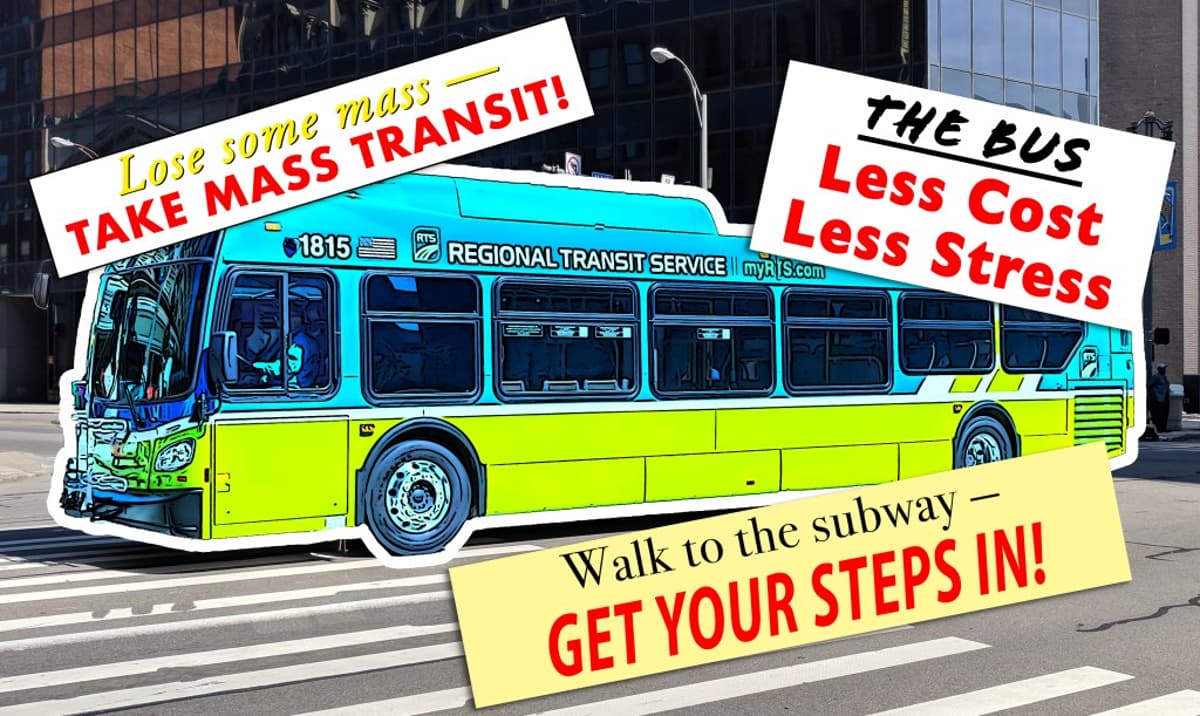
Good Public Transit + Good Public Funding = Good Public Health
Key Takeaways
- •Transit walking adds daily physical activity for 25% of riders
- •Health impact assessments can sway funding decisions, as seen in Boston
- •Rural New Mexico bus service saved $600k annually by reducing hypertension
- •Proximity to transit lowers healthcare costs, relevant to $5.3T national spend
- •APTA should prioritize health messaging to boost public transit funding
Pulse Analysis
Public transportation does more than move people; it generates measurable health dividends that can reshape funding debates. Researchers have quantified that a quarter of riders meet recommended daily steps simply by walking to and from bus stops, translating into lower obesity rates, reduced chronic disease risk, and improved mental well‑being. Cleaner air from fewer car trips and fewer traffic collisions further amplify these benefits, creating a compelling narrative that transit is a public‑health infrastructure. By positioning transit as a preventive health tool, agencies can tap into a broader policy agenda that values societal wellness alongside mobility.
Concrete examples illustrate how health‑focused messaging can unlock dollars. In Boston, a health impact assessment—produced with Harvard and Boston University scholars—showed that service cuts would cost the community in increased health expenditures, prompting legislators to restore funding and curb fare hikes. A rural New Mexico bus line saved Dona Ana County roughly $600,000 each year by lowering hypertension rates and linking residents to preventive care. Portland studies found that neighborhoods near transit experience lower per‑capita health‑care costs, a striking counterpoint to the nation’s $5.3 trillion health‑spending bill in 2024. These cases prove that quantifying health outcomes can shift the fiscal calculus in transit’s favor.
The challenge now lies in translating complex research into clear, audience‑ready messages. Transit agencies, already stretched thin, need partnerships with academic institutions and public‑health organizations to generate credible, digestible data. The American Public Transportation Association should elevate health benefits from a footnote to a headline, crafting campaigns that speak directly to legislators, investors, and the public. By doing so, transit can secure the long‑term financing it needs while delivering the broader societal gains that healthier, more connected communities demand.
Good Public Transit + Good Public Funding = Good Public Health
Comments
Want to join the conversation?