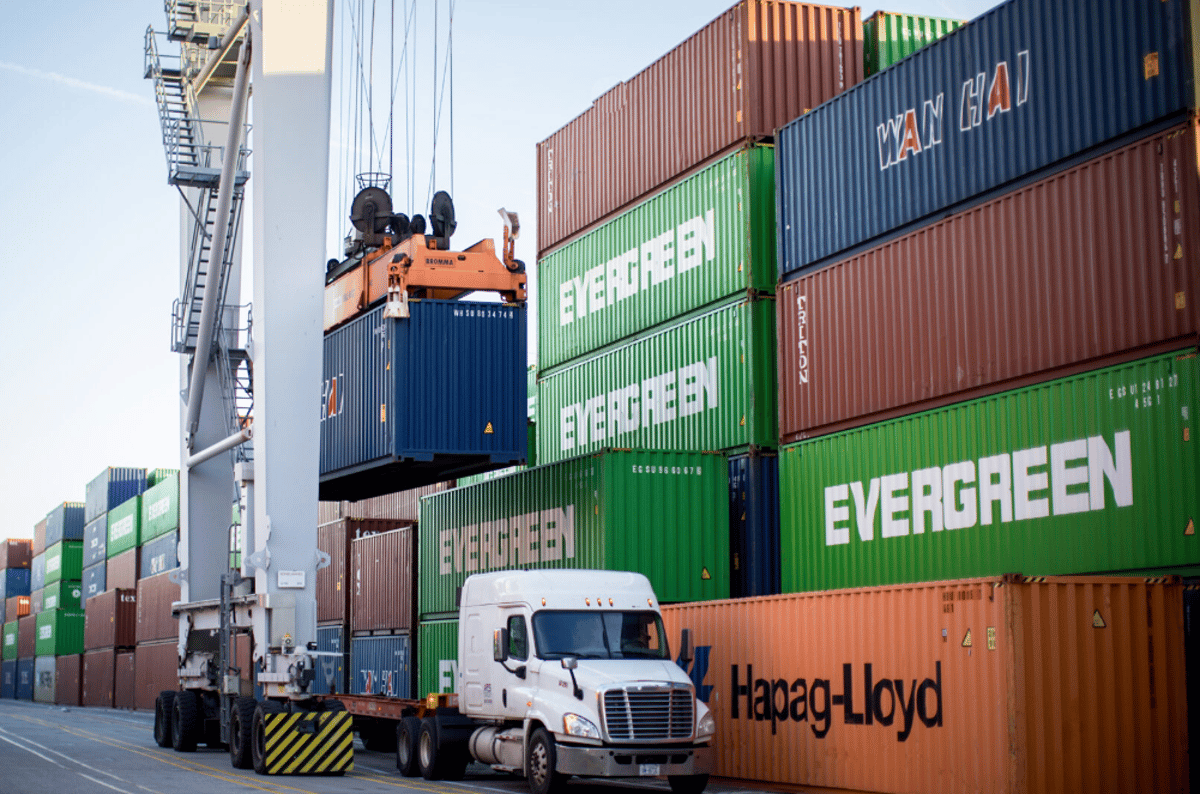
Key Takeaways
- •Users grew from <900 to >4,000 since launch.
- •App shows container locations and nearest gate, cutting internal driving.
- •Real-time alerts reduce paperwork and improve turn times.
- •Biometric login and facial recognition streamline gate access.
- •Faster turn times enable drivers to complete 6‑8 trips daily.
Pulse Analysis
Digital tools are reshaping U.S. maritime gateways, and the Georgia Ports Authority’s Trucker app exemplifies that shift. By aggregating container positions, gate tickets and weather data into a single mobile interface, the app eliminates the need for paper documents and manual coordination. The rapid user growth—from under 900 to over 4,000 in just eight months—demonstrates that carriers value instant, location‑based information, especially in a high‑volume hub like Savannah that processes more than 14,000 truck moves each weekday.
Operationally, the app’s navigation feature and push notifications directly impact turn times. Single‑move transactions now average 32 minutes, while dual moves sit at 50 minutes, allowing drivers to schedule six to eight trips per day. This efficiency gain translates into higher terminal throughput, reduced fuel consumption from fewer intra‑terminal trips, and more predictable delivery windows for downstream warehouses. The integration of biometric login and facial‑recognition gate access further trims bottlenecks, as drivers no longer need to fumble with TWIC cards at equipped lanes.
Looking ahead, GPA’s phased rollout of facial‑recognition technology across all gates signals a broader industry trend toward seamless, credential‑free entry. As more ports adopt similar solutions, the competitive landscape will reward those that can combine real‑time data, automation and secure authentication. For shippers and carriers, the payoff is clear: faster, more reliable port operations that support just‑in‑time supply chains and lower overall logistics costs.
GPA trucker app gains traction
Comments
Want to join the conversation?