
Key Takeaways
- •First American woman to earn pilot’s license (1911).
- •Her mother’s business made family financially stable.
- •Quimby’s public image challenged early 1900s gender norms.
- •She inspired future generations of women in aviation.
- •Legacy endures in modern STEM gender initiatives.
Pulse Analysis
Harriet Quimby’s ascent to the skies occurred at a pivotal moment when aviation was still a novelty. The Wright brothers had only recently proved powered flight possible, and public fascination with air shows was at its peak. Quimby’s successful solo flight in 1911 not only earned her a federal pilot’s certificate but also placed her on the national stage, drawing media attention that highlighted both her skill and the novelty of a woman piloting an aircraft. This early exposure helped legitimize aviation as a viable career path beyond the male‑dominated realm of daredevil stunt pilots.
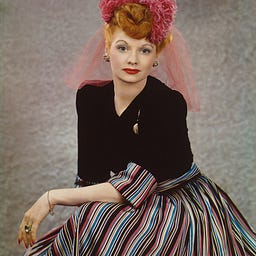
Beyond the technical achievement, Quimby’s story intersected with broader social changes. Growing up in a family where her mother became the primary breadwinner after launching a herbal‑medicine business, she witnessed firsthand the shifting economic roles of women. Her confidence and public persona—often captured in striking photographs in full flight gear—offered a visual counter‑narrative to prevailing notions of femininity. By openly defying expectations, she paved the way for contemporaries like Amelia Earhart and set a precedent for women to claim space in high‑risk, high‑visibility professions.
Today, Quimby’s legacy informs ongoing efforts to increase gender diversity in STEM and aerospace. Organizations such as the Ninety‑Nines and modern flight schools cite her pioneering spirit when recruiting female cadets. Moreover, her story underscores the importance of representation; seeing a woman succeed in early aviation continues to inspire young girls to pursue engineering, piloting, and related fields. As the industry pushes toward electric aircraft and commercial space travel, Quimby’s example reminds stakeholders that inclusive innovation drives progress.
Harriet Quimby
Comments
Want to join the conversation?