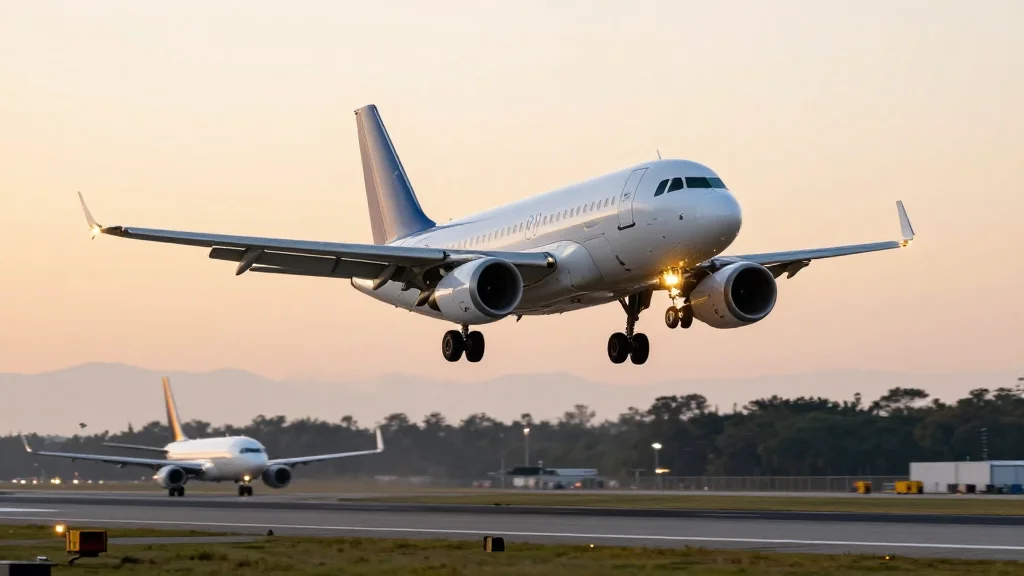
Horrifying Near Miss at Boston Logan as Quick-Thinking Delta Air Pilots Go Around to Avoid Landing On Top of American Airlines Boeing 737
Key Takeaways
- •Delta pilots executed go‑around seconds before runway collision
- •ATC cleared American 737 for takeoff while Delta was landing
- •TCAS alerted Delta crew despite low‑altitude limitations
- •Incident highlights gaps in runway‑incursion detection at busy hubs
- •FAA may review coordination protocols after near‑miss
Pulse Analysis
Boston Logan International handles thousands of daily movements, with Runway 33L serving as the primary 10,083‑foot landing strip and Runway 27 intersecting it for departures. On a busy Saturday morning, the airport’s sequencing system mistakenly overlapped a landing Delta Airbus A319 with a departing American Boeing 737, creating a classic runway‑incursion scenario that could have resulted in a catastrophic collision. Such incidents are rare but carry outsized risk because intersecting runways compress the margin for error, especially when pilots are focused on final approach cues.
The incident highlights both the strengths and limits of existing safety technology. Delta’s crew received a Traffic Collision Avoidance System (TCAS) warning, a system traditionally designed for mid‑air conflicts, yet it proved effective at low altitude. However, TCAS is not optimized for ground‑level alerts, prompting calls for broader adoption of runway‑specific solutions like Honeywell’s SmartRunway and SmartLanding, which fuse surface radar with aircraft data to provide real‑time incursion warnings. Integrating these tools with tower surveillance could give controllers and pilots earlier situational awareness, reducing reliance on verbal clearances alone.
Regulators, led by the FAA, are likely to scrutinize the communication breakdown that allowed the clearance error. Past runway‑incursion investigations have resulted in procedural revisions, mandatory training updates, and, in some cases, technology mandates for high‑traffic airports. The Boston near‑miss may accelerate those efforts, prompting a review of sequencing protocols, controller workload management, and mandatory use of advanced surface‑movement guidance systems. For airlines, reinforcing crew training on rapid go‑around execution and ensuring that alert systems are calibrated for low‑altitude scenarios will become a higher priority to safeguard passengers and preserve confidence in commercial aviation.
Horrifying Near Miss at Boston Logan as Quick-Thinking Delta Air Pilots Go Around to Avoid Landing On Top of American Airlines Boeing 737
Comments
Want to join the conversation?