How China Will Defend Its South American Shipping Foothold
Key Takeaways
- •China invests $2 billion in Chancay port expansion.
- •COSCO secures long‑term concession at Chile’s Pacific gateway.
- •Beijing seeks alternative routes after Hutchinson’s Panama Canal exit.
- •South American ports become strategic assets in global supply chains.
Pulse Analysis
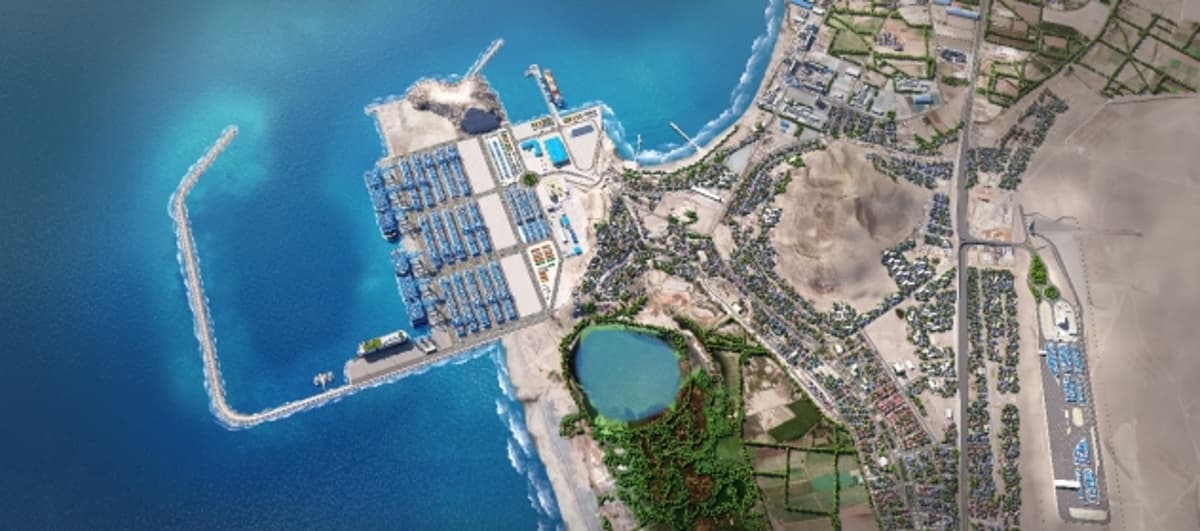
China’s aggressive push into South America’s maritime infrastructure reflects a calculated effort to diversify its global logistics network. By financing the expansion of the Chancay port in Peru and securing long‑term operating rights for COSCO Shipping, Beijing is creating a parallel corridor to the traditional Panama Canal route. These investments, estimated at over $2 billion, not only enhance capacity for container traffic but also embed Chinese standards, technology, and financing into the region’s supply chains, deepening economic ties that extend beyond mere cargo handling.
The strategic timing coincides with Hutchison’s compelled withdrawal from the Panama Canal entrances, a development that could have opened a vacuum for competitors. China is seizing that opportunity, positioning its ports as reliable alternatives for shippers seeking resilience against geopolitical disruptions. For Latin American exporters, the new facilities promise reduced transit times to Asian markets and lower freight costs, while also attracting ancillary services such as warehousing and rail links. However, the growing Chinese footprint raises concerns among U.S. policymakers who view the ports as potential leverage points for Beijing’s broader geopolitical agenda.
For the broader shipping industry, China’s South American foothold underscores a shift toward multi‑regional hub strategies. Companies must now evaluate route optimization not just on cost but also on political risk and port reliability. As Chinese state‑owned enterprises continue to lock in long‑term concessions, the competitive dynamics of trans‑Pacific trade will likely evolve, prompting both legacy carriers and new entrants to reassess their network designs and partnership models.
How China will defend Its South American shipping foothold
Comments
Want to join the conversation?