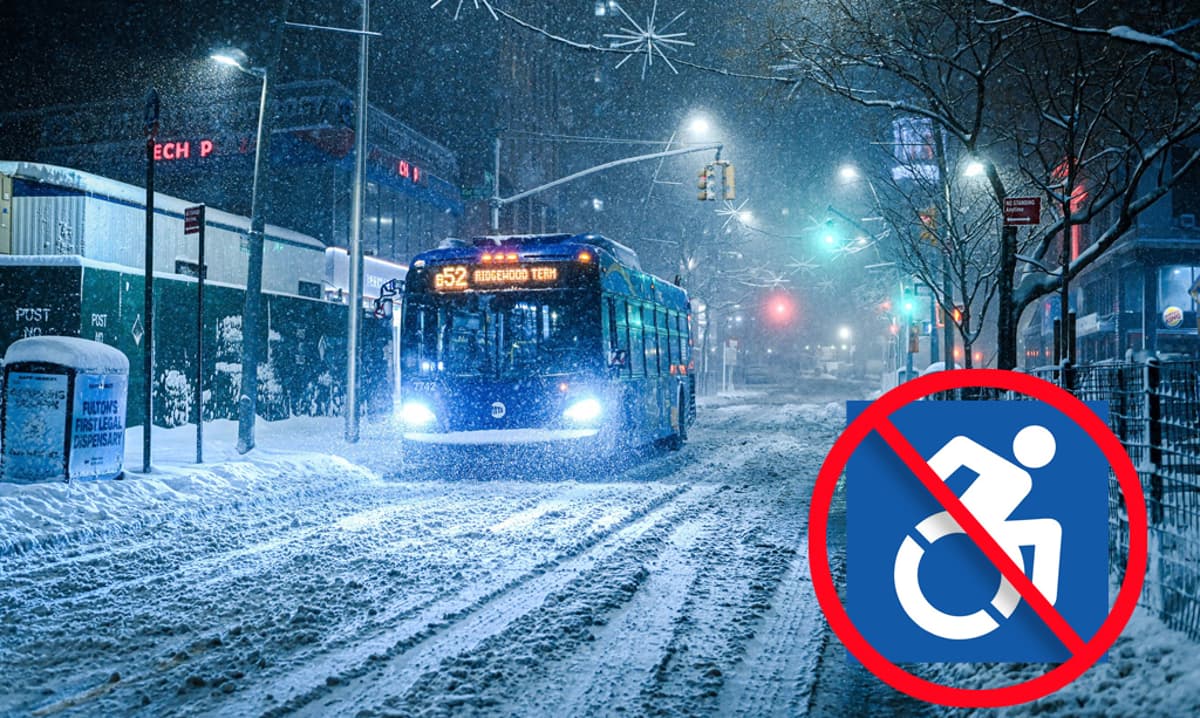
‘How Do We Remember to Remember Disabled People?’: When Winter Weather Is an Accessibility Disaster
Key Takeaways
- •2026 winter saw record snow, crippling curb cuts across Northeast
- •Disabled residents faced blocked sidewalks, limiting medical and social outings
- •Studies show wheelchair trips drop sharply during snow events
- •Cities lack coordinated snow‑removal policies for accessibility compliance
- •Advocates urge FEMA and local governments to embed disability planning
Pulse Analysis
The 2026 winter season set a new benchmark for snowfall in the Northeast, with over 123 million people experiencing above‑average accumulations and the coldest temperatures in two decades. For wheelchair users and others with mobility challenges, the deluge turned ordinary sidewalks into impassable barriers, curtailing essential trips to medical appointments and social gatherings. Academic research confirms that winter weather depresses travel frequency for disabled individuals, widening the mobility gap and amplifying physical pain and isolation.
Municipal snow‑removal strategies have long prioritized vehicle lanes over pedestrian accessibility, leaving curb cuts buried under meters of snow. New York’s ad‑hoc day‑laborer program and Boston’s 42‑inch width requirement illustrate fragmented attempts to address the issue, yet many pathways remain too narrow or are cleared too late. The lack of a coordinated federal directive—exacerbated by FEMA’s reduced capacity during a partial DHS shutdown—means cities operate without clear guidance on inclusive disaster response, resulting in inconsistent compliance and fines that rarely translate into accessible routes.
Advocates argue that meaningful change requires institutionalizing disability voices in emergency planning. Proposals include dedicated accessibility committees, federally funded training for snow‑plow crews on curb‑cut clearance, and a national standard for minimum pathway width during snow events. By integrating these measures, municipalities can safeguard the independence of disabled residents, reduce health‑related costs, and demonstrate a commitment to equitable public safety—a win‑win for both citizens and city officials.
‘How Do We Remember to Remember Disabled People?’: When Winter Weather Is an Accessibility Disaster
Comments
Want to join the conversation?