
Key Takeaways
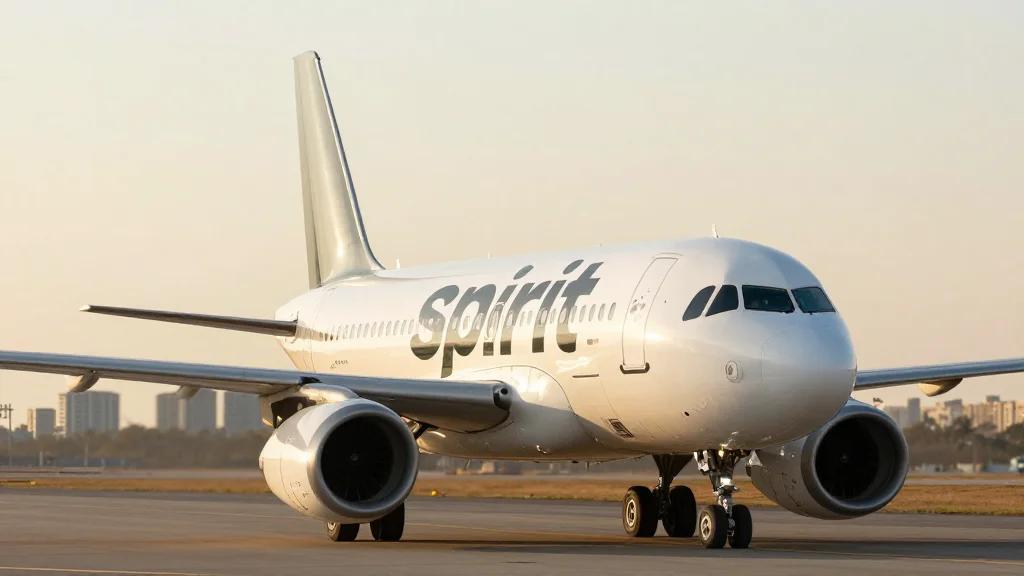
- •Spirit cut fleet >50% and refocused on Florida, Detroit, New York
- •Plan projects -7.4% operating margin 2024, +8.6% 2025, double‑digit later
- •February unit revenue dropped to 9.66 cents, below 11.66‑cent target
- •Fuel budget assumes $2.67/gal in 2026, far under current $4+ prices
- •Liquidation analysis values Spirit at $1.43‑$1.71 billion net of expenses
Pulse Analysis
Spirit Airlines’ latest Chapter 11 filing underscores a rare blend of aggressive cost cuts and strategic refocusing. By shedding more than half of its aircraft and concentrating on three profitable hubs, the carrier hopes to stabilize cash flow while it negotiates with a skeptical creditor class. The move mirrors a broader trend among low‑cost carriers that are trimming capacity to weather post‑pandemic demand swings, yet Spirit’s reliance on a limited network raises questions about its ability to recoup lost market share once travel rebounds.
The financial blueprint submitted on April 6 paints an optimistic picture: a modest -7.4% operating margin this year, flipping to an 8.6% surplus in 2025 and climbing into double‑digit territory thereafter. To achieve those figures, Spirit must lift unit revenue from the recent 9.66 cents to the projected 11.66 cents for 2026—a steep climb given current ticket pricing and seasonal demand. Compounding the challenge, the plan assumes fuel costs of $2.67 per gallon in 2026, well below today’s $4‑plus market price. Even a modest dip to $3.15 per gallon, the break‑even point for 2027, would require a sustained fuel price decline that appears unlikely without external intervention.
Creditors face a stark choice: continue funding a carrier that may never meet its lofty forecasts, or liquidate an asset valued at $1.43‑$1.71 billion net of expenses. The liquidation range suggests a non‑trivial recovery, but each day of operating loss erodes that cushion. Rumors of a federal loan request add another layer of complexity, as government aid could set a precedent for airline bailouts amid soaring energy costs. Ultimately, Spirit’s fate will hinge on whether its restructuring plan can outpace fuel volatility and convince stakeholders that the upside outweighs the mounting downside.
How is Spirit Still Flying?
Comments
Want to join the conversation?