How Supply Chain Becomes a Growth Partner in Pharma
Key Takeaways
- •Boehringer aligns supply chain directly with commercial teams for growth
- •Transparency into supply risks builds trust, avoiding a seat request
- •AI and automation will speed trade‑off decisions across product lifecycle
- •Hyper‑care launch phase shifts to routine execution once demand stabilizes
- •Integrated supply chain accelerates market entry and outbreak response
Pulse Analysis
The pharmaceutical sector is witnessing a paradigm shift where supply chain functions are no longer back‑office support but strategic growth engines. Historically, logistics and manufacturing operated in silos, reacting to demand signals after the fact. Today, heightened market volatility, regulatory scrutiny, and the need for rapid product launches compel companies to embed supply considerations into commercial planning. This integration enables firms to anticipate shortages, optimize inventory, and align production capacity with sales forecasts, thereby safeguarding revenue streams and customer trust.
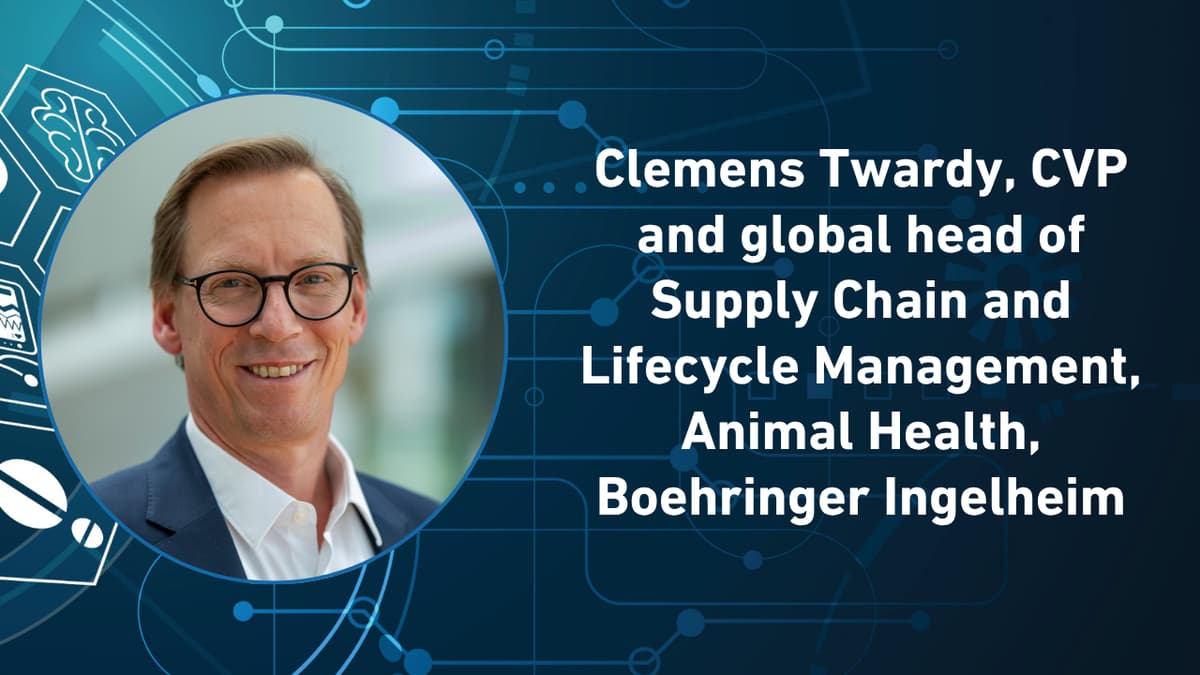
Clemens Twardy’s three‑step framework—commercial alignment, transparency, and talent development—offers a practical roadmap for this transformation. By assigning dedicated supply points of contact to each commercial unit, Boehringer Ingelheim creates a single source of truth for inventory status, risk scenarios, and financial impact. Continuous visibility into supply dynamics builds credibility, reducing the need to “ask for a seat at the table.” Simultaneously, investing in people who understand both logistics jargon and commercial objectives bridges communication gaps, fostering collaborative decision‑making that accelerates time‑to‑market.
Looking ahead, artificial intelligence and automation will be the catalysts that scale this partnership. Predictive analytics can evaluate trade‑offs across cost, service level, and regulatory compliance in seconds, while robotic process automation streamlines SKU creation, artwork approval, and shipment scheduling. In outbreak scenarios or rapid geo‑expansion, these technologies translate into faster response times and deeper market penetration. For pharma executives, embracing an AI‑enabled, commercially‑aligned supply chain is no longer optional—it is a prerequisite for sustaining growth in an increasingly competitive landscape.
How Supply Chain Becomes a Growth Partner in Pharma
Comments
Want to join the conversation?