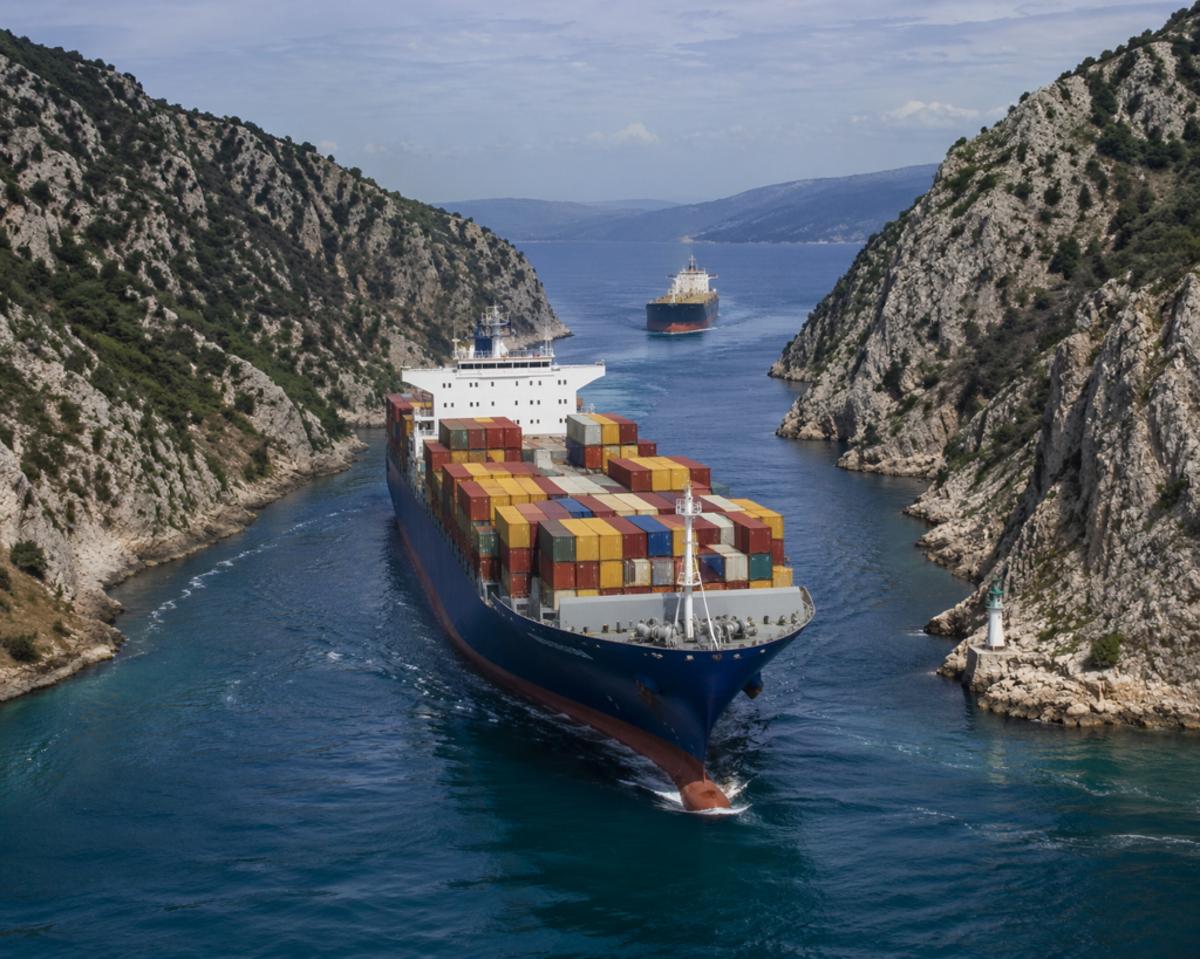
How the Hormuz Toll Is Rewriting the Rules of the Sea
Key Takeaways
- •Iran's $2 million Hormuz toll raises shipping costs dramatically
- •Vessel operators face higher insurance premiums and route‑planning complexity
- •Potential shift to longer alternatives like the Cape of Good Hope
- •Toll could become a geopolitical lever for Tehran amid sanctions
- •Industry may push for multilateral regulation of chokepoint fees
Pulse Analysis
The Strait of Hormuz, a narrow 21‑mile waterway linking the Persian Gulf to the open ocean, handles roughly a third of the world’s oil trade. By imposing a $2 million per‑voyage charge, Iran is turning a historic maritime passage into a revenue stream that rivals the earnings of many sovereign wealth funds. The move reflects Tehran’s broader strategy of leveraging geographic assets to offset sanctions‑induced fiscal shortfalls, while also testing the limits of international maritime law, which traditionally discourages unilateral tolls on neutral shipping.
For global shippers, the immediate impact is a steep increase in operating expenses. Insurance underwriters are already recalibrating war‑risk premiums, and many carriers are running cost‑benefit models that compare the Hormuz toll against the additional fuel, time, and emissions associated with detours around the Cape of Good Hope. Those calculations ripple through downstream markets, potentially nudging oil prices upward and squeezing thin profit margins in containerized freight. The toll also introduces a new layer of compliance risk, as vessels must secure authorization from the IRGC, raising concerns about transparency and the potential for arbitrary enforcement.
The broader implication is a possible re‑writing of the rules governing strategic maritime chokepoints. If Iran’s model proves financially viable, other nations controlling narrow passages—such as the Suez Canal or the Turkish Straits—might contemplate similar fees, prompting calls for a coordinated international framework. Stakeholders, including the International Maritime Organization and major trading blocs, are likely to convene to discuss standards that balance sovereign rights with the need for predictable, open sea lanes. The outcome will shape the future cost structure of global trade and the geopolitical calculus of nations that rely on uninterrupted maritime flow.
How the Hormuz toll is rewriting the rules of the sea
Comments
Want to join the conversation?