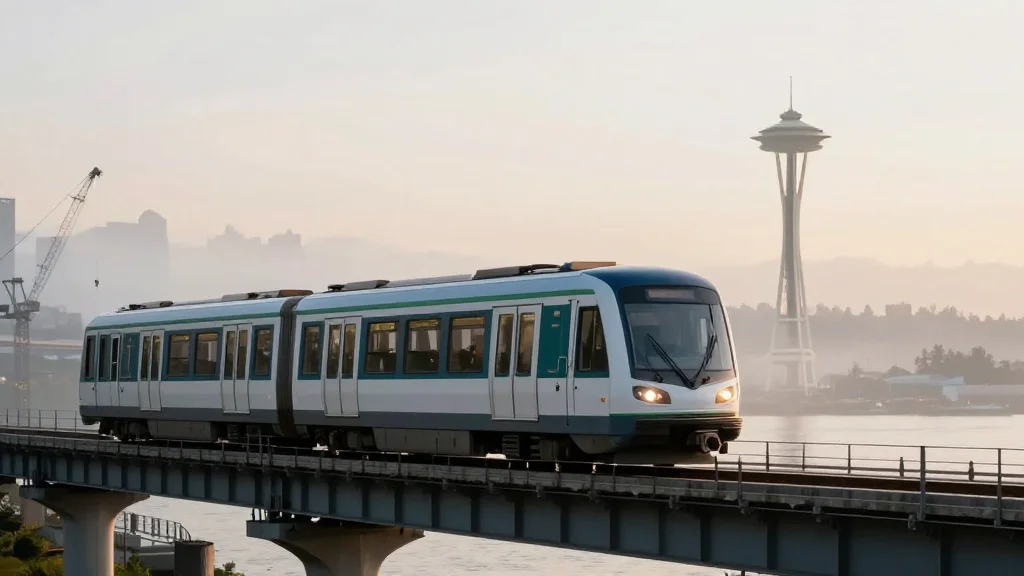
How to Finish ST3 Sooner (Without Raising Taxes)
Key Takeaways
- •West Seattle line slated to start now under revised ST3 plan
- •Issaquah light‑rail connection delayed six years, not canceled
- •Seattle Center‑to‑Ballard line postponed indefinitely
- •Raising debt capacity to 3.5% could fund projects without tax hikes
- •Voter approval of 60% needed to change debt limit
Pulse Analysis
Sound Transit’s revised ST3 roadmap reflects a pragmatic response to a growing budget gap that has forced the agency to reshuffle project timelines. While the West Seattle corridor is set to break ground, the Issaquah extension—originally a cornerstone of the voter‑approved plan—has been slipped by six years, and the Seattle Center‑to‑Ballard line has been shelved indefinitely. These shifts underscore the tension between ambitious regional mobility goals and the financial realities of delivering large‑scale infrastructure in a high‑cost environment.
At the heart of the financing debate is Sound Transit’s debt‑capacity cap, which currently restricts borrowing to 1.5% of the assessed value of its taxing district. Despite pulling in more than $2.5 billion each year, the agency’s modest debt load suggests ample headroom to increase leverage. Raising the ceiling to 3.5% would provide a near‑doubling of available borrowing power, enabling engineers to commence design work and secure cost‑saving contracts before inflation erodes purchasing power. The change would not raise taxes; instead, it would reallocate existing revenue streams to accelerate construction, but it does require a super‑majority—60% of district voters—to pass.
If voters endorse the higher debt limit, the region could see the remaining ST3 segments delivered five to ten years earlier than currently projected. Faster completion would expand the light‑rail network, improve transit equity, and generate economic spillovers in neighborhoods awaiting service. Conversely, rejecting the proposal risks further delays, higher overall costs, and a growing disconnect between public expectations and agency capabilities. Stakeholders—from local officials to commuters—must weigh the short‑term fiscal vote against the long‑term benefits of a more connected, resilient transportation system.
How to Finish ST3 Sooner (Without Raising Taxes)
Comments
Want to join the conversation?