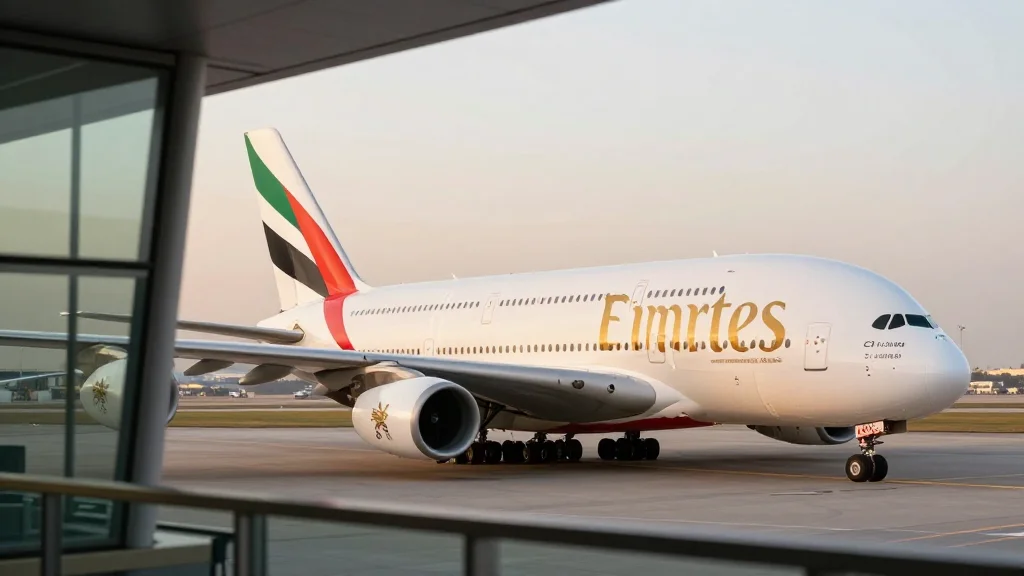
I Flew Emirates to Dubai During the Iran War and This Was My Experience

Key Takeaways
- •Emirates kept regular flights despite regional conflict
- •Security checks intensified, causing longer boarding times
- •In‑flight services reduced while safety protocols stayed strong
- •Dubai airports handled surge of transit passengers from diverted routes
- •Travelers urged to monitor advisories and keep itineraries flexible
Pulse Analysis
The Iran‑Israel war, which escalated in early 2026, sent shockwaves through the Middle East aviation network. Dubai International Airport, a pivotal hub for connecting Asia, Europe, and Africa, remained operational, largely thanks to Emirates’ decision to maintain its flight schedule. By keeping routes open, the airline preserved critical air‑bridge capacity for business travelers and cargo, but it also had to navigate heightened air‑space restrictions and real‑time diplomatic advisories. This balancing act illustrates how airlines can sustain connectivity while mitigating risk during volatile geopolitical events.
On the ground, passengers experienced a noticeable shift in the travel experience. Emirates introduced additional security layers, including secondary document verification and random luggage scans, which extended boarding times by an average of 30‑45 minutes. In‑flight services were streamlined; complimentary meals were limited to snack boxes, and entertainment options were curtailed to reduce cabin crew workload. Despite these cutbacks, the airline emphasized safety, deploying extra cabin staff for emergency drills and providing real‑time updates via its mobile app. Such operational tweaks reflect a broader industry trend of prioritizing security and reliability over luxury when conflict threatens the travel corridor.
For the business community, the episode underscores the importance of flexible travel policies and robust risk‑management frameworks. Companies with employees reliant on Dubai as a transit point must incorporate real‑time geopolitical monitoring and contingency routing into their travel protocols. Moreover, the ability of carriers like Emirates to sustain service amid conflict can mitigate supply‑chain delays and preserve critical market access. As regional tensions ebb and flow, travelers and firms alike should expect airlines to continue adapting, making agility a core component of future corporate travel strategies.
I Flew Emirates to Dubai During the Iran War and This Was My Experience
Comments
Want to join the conversation?