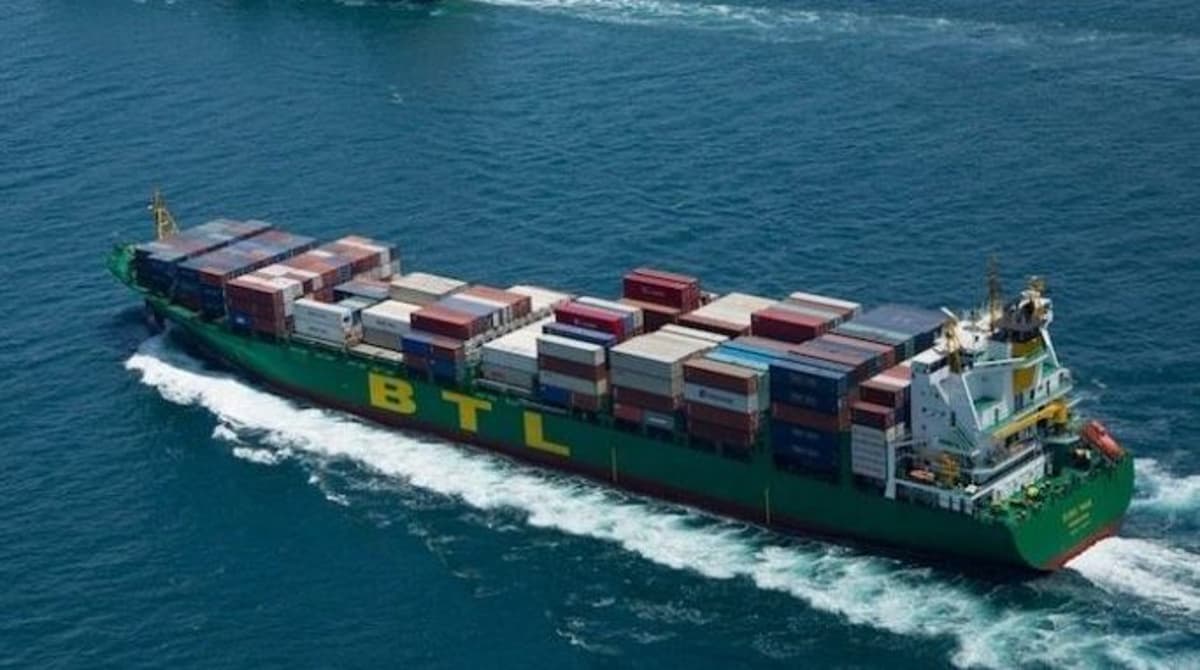
India’s Maritime Ambition: Rewriting the Bay of Bengal
Key Takeaways
- •India targets three deep‑water ports in Bay of Bengal by 2028
- •Strategic partnership with Japan to build naval base at Sagarika
- •New maritime corridor aims to cut shipping time to Southeast Asia
- •India's shipbuilding subsidies aim to double domestic fleet by 2030
Pulse Analysis
China’s Belt‑and‑Road investments have placed ports such as Hambantota, Gwadar and Kyaukphyu under long‑term leases, giving Beijing strategic footholds that skirt India’s southern coastline. Observers note that these assets enable China to project naval power, secure energy supplies, and influence trade flows through the Indian Ocean. For Indian policymakers, the growing Chinese presence has transformed a historically peripheral maritime zone into a front‑line of geopolitical competition, prompting a reassessment of national security and economic priorities.
In response, New Delhi unveiled a multi‑pronged maritime agenda focused on the Bay of Bengal. The plan includes constructing three deep‑water commercial ports—targeted for completion by 2028—to accommodate larger vessels and reduce congestion at existing hubs. A joint venture with Japan will fund a state‑of‑the‑art naval base at Sagarika, enhancing anti‑piracy patrols and providing a forward operating location for the Indian Navy. Additionally, the government introduced shipbuilding subsidies designed to double the domestic commercial fleet by 2030, reducing reliance on foreign shipyards and supporting a nascent defense‑export market. These initiatives are complemented by a new maritime corridor that shortens transit times to Southeast Asian markets, positioning India as a logistics hub.
The broader impact extends beyond security. Expanded port capacity and improved connectivity are expected to attract foreign direct investment, stimulate regional manufacturing, and generate thousands of jobs. By offering competitive tariffs and modern infrastructure, India aims to divert cargo that would otherwise route through Chinese‑controlled ports, thereby reshaping trade patterns in the Indo‑Pacific. If successful, the Bay of Bengal could evolve into a vibrant economic engine, reinforcing India’s claim as the subcontinent’s maritime leader while tempering Beijing’s strategic reach.
India’s maritime ambition: Rewriting the Bay of Bengal
Comments
Want to join the conversation?