Key Takeaways
- •Federal criteria prioritize visual distinctiveness over functional integration
- •Branding requirements force BRT into closed, inflexible corridors
- •Albuquerque’s redesign boosted job access without new infrastructure
- •Integrated, one‑seat routes deliver higher rider performance
- •Policy misalignment wastes capital and hampers mobility goals
Pulse Analysis
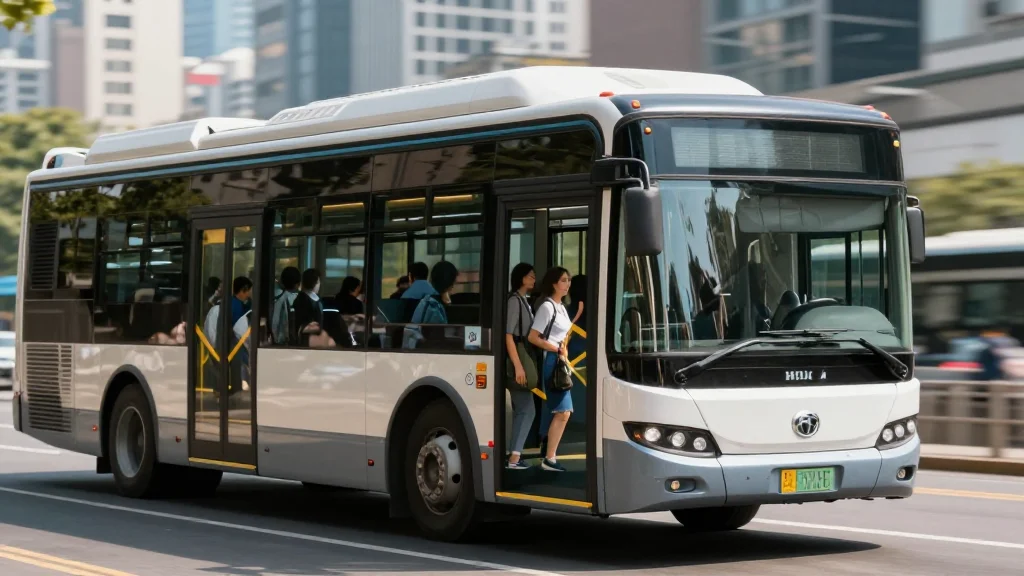
The federal transportation funding framework was created during an era of large‑scale capital expansion, and its scoring metrics still favor visible, stand‑alone projects. For Bus Rapid Transit, this means agencies must present unique vehicles, stylized stations, and a separate brand to qualify for assistance. Those requirements often translate into closed corridors that limit route flexibility, introduce unnecessary transfers, and duplicate existing services—outcomes that run counter to the core strengths of bus networks, which thrive on integration and adaptability.
Albuquerque’s ART line exemplifies the consequences of this "innovation theater." Initially designed to satisfy Federal Transit Administration (FTA) branding rules, the system featured dedicated buses and custom stations that isolated it from the broader network, resulting in limited rider convenience and redundant service along Central Avenue. After city officials shifted focus to network integration—allowing ART buses to branch onto regular routes and provide one‑seat rides—the measurable impact was striking: job‑access within a 45‑minute commute rose 32% overall and 90% for residents in high‑need neighborhoods, all without new capital expenditures. The performance gains stemmed purely from operational redesign, not from additional infrastructure.
The broader lesson for transit agencies and policymakers is clear: funding criteria that equate innovation with visual distinctiveness incentivize projects that look impressive on paper but fall short in service delivery. Real innovation should be measured by ridership growth, reduced travel times, and network connectivity. Reforming federal scoring to reward integration, frequency, and accessibility would align capital incentives with rider outcomes, enabling cities to allocate resources more efficiently and avoid the costly pitfalls of branding‑driven transit projects.
Innovation Theater
Comments
Want to join the conversation?