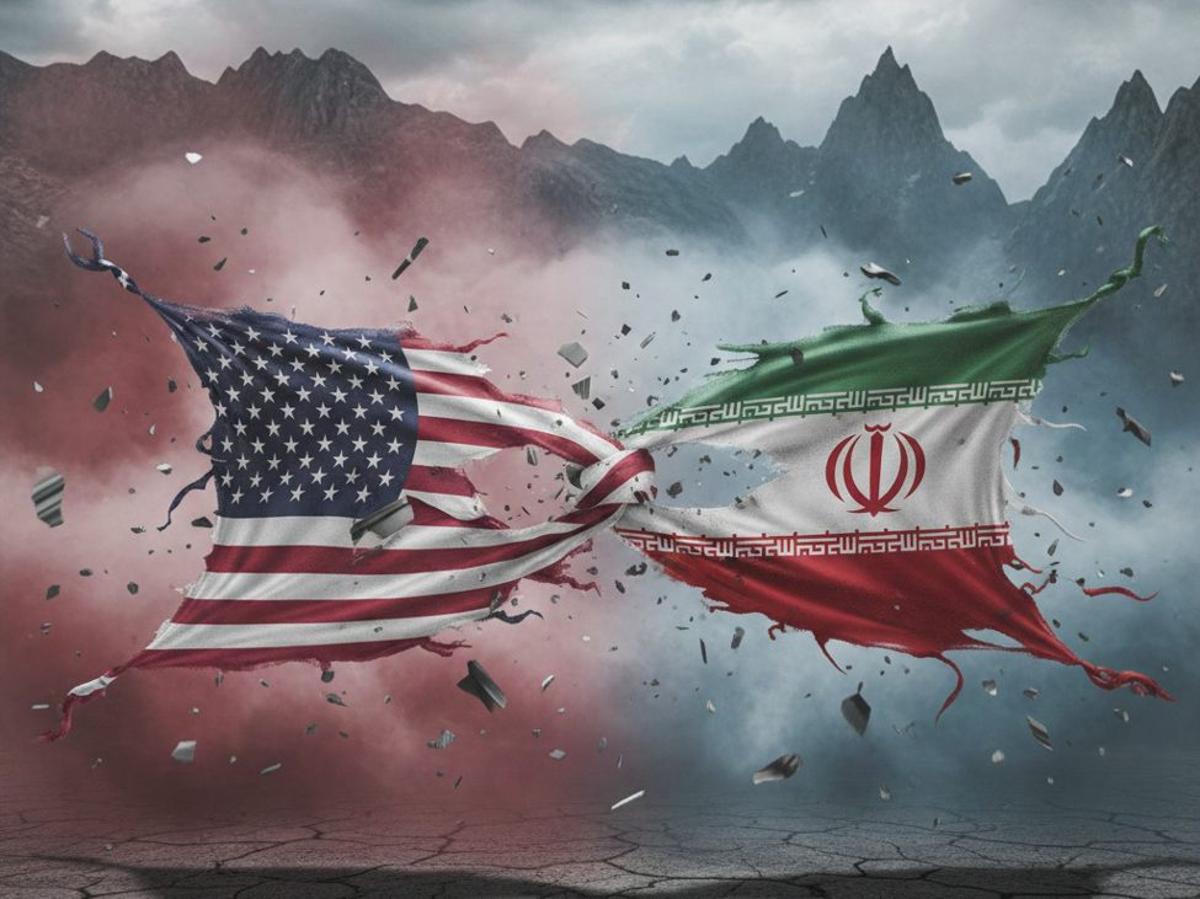
Iran Parliament Speaker Says US Has Jeopardised Shipping Security Through Strait of Hormuz
Key Takeaways
- •Iran blames U.S. for jeopardizing Hormuz shipping security
- •Speaker calls current status quo unsustainable for America
- •U.S. says Iran must de‑escalate before any concessions
- •South Korea reviewing participation in Trump’s Project Freedom
- •Tensions risk raising global oil transport costs
Pulse Analysis
The Strait of Hormuz remains a chokepoint for roughly a third of the world’s oil trade, making any rhetoric about its security highly consequential. Tehran’s recent statements echo a broader narrative that U.S. naval patrols and sanctions have escalated risks for commercial vessels, a claim that aligns with Iran’s strategic goal of pressuring the West into diplomatic concessions. Historically, the corridor has survived periods of heightened tension, but the current discourse suggests a shift toward more overt posturing, raising concerns among shipping firms and insurers about potential rerouting or higher premiums.
For energy markets, the perception of a threatened Hormuz flow can trigger price volatility even before any physical disruption occurs. Traders monitor statements from both Tehran and Washington closely; a credible threat to close the strait would force refiners to tap alternative supplies, inflating transport costs and squeezing margins. Moreover, the uncertainty fuels demand for risk‑mitigation tools such as war‑risk insurance, which can surge in price during geopolitical flashpoints. Analysts therefore watch diplomatic signals as much as naval deployments to gauge the likelihood of actual supply interruptions.
The diplomatic dimension extends beyond Iran and the United States. South Korea’s tentative review of Trump’s “Project Freedom” illustrates how U.S. allies weigh involvement in Middle‑East security initiatives against domestic political considerations and trade relationships. While Seoul’s decision could signal broader coalition support for a hardline U.S. stance, a cautious approach may also preserve flexibility for future negotiations. Ultimately, the interplay between regional rhetoric, global energy logistics, and allied policy choices will shape the strategic landscape of the Hormuz corridor in the months ahead.
Iran parliament speaker says US has jeopardised shipping security through Strait of Hormuz
Comments
Want to join the conversation?