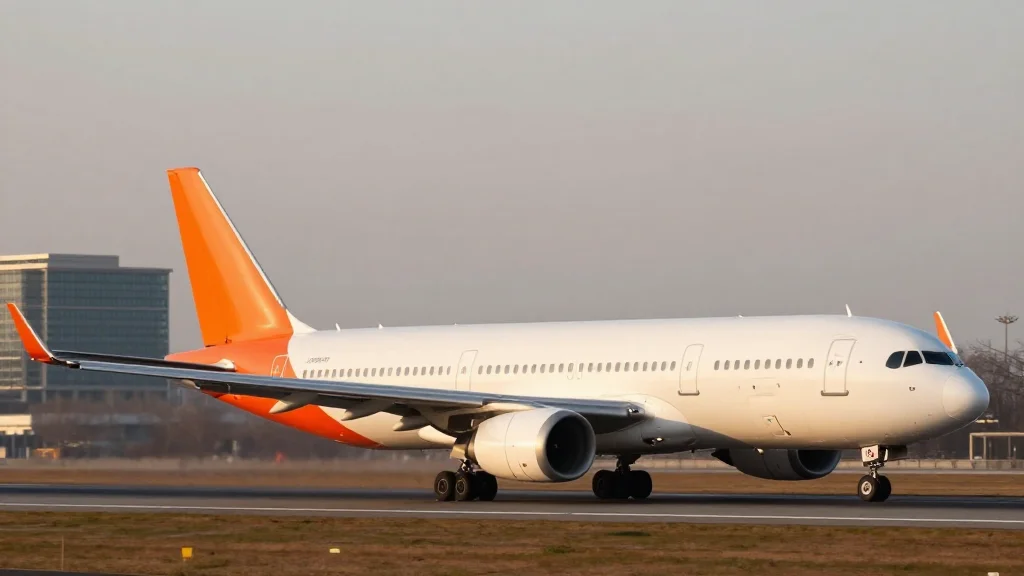
“It Was a Pleasure Working With You Guys”: Air Traffic Control Issues Tribute to Pilots Of Last Ever Spirit Airlines Flight
Key Takeaways
- •Spirit Airlines filed for liquidation, ending operations May 2, 2026
- •Flight NK-1833 became the final revenue service, landing at DFW
- •ATC controller publicly thanked pilots, marking end of ultra‑low‑cost carrier
- •Card‑paying customers receive automatic refunds; agents must process others
- •Bankruptcy court will decide fate of miles and flight credits
Pulse Analysis
Spirit Airlines’ collapse underscores the volatility of the ultra‑low‑cost carrier (ULCC) segment, where razor‑thin margins meet rising fuel costs and legacy debt. Once a dominant player with a 10% share of the domestic market, Spirit’s aggressive pricing strategy left it overleveraged, making it vulnerable to economic headwinds and a tightening credit environment. The abrupt liquidation not only eliminates a key price competitor but also opens capacity gaps that legacy carriers and emerging low‑cost rivals will scramble to fill, potentially reshaping fare structures across major routes.
The emotional farewell from Dallas/Fort Worth air‑traffic control highlighted the human side of airline failures. Controllers, pilots, and ground crews who routinely coordinate thousands of flights felt the loss of a long‑standing partner, reflecting broader industry concerns about job security and morale. Regulators will scrutinize the wind‑down process to ensure safety standards remain uncompromised, while labor unions may push for better protections for displaced staff, signaling a possible shift toward more robust contingency planning in airline operations.
For consumers, the immediate priority is navigating refunds and the uncertain status of accrued miles or flight credits. Spirit’s policy promises automatic refunds to cardholders, but travelers who booked through agents or used loyalty points must await court‑ordered resolutions, a process that can extend months. This scenario serves as a cautionary tale for travelers relying heavily on airline credit products, prompting a reevaluation of risk management strategies such as travel insurance or diversified booking channels. Investors, too, will monitor the fallout, as Spirit’s demise may tighten financing conditions for other ULCCs, reinforcing the need for sustainable balance sheets in a post‑pandemic travel landscape.
“It Was a Pleasure Working With You Guys”: Air Traffic Control Issues Tribute to Pilots Of Last Ever Spirit Airlines Flight
Comments
Want to join the conversation?