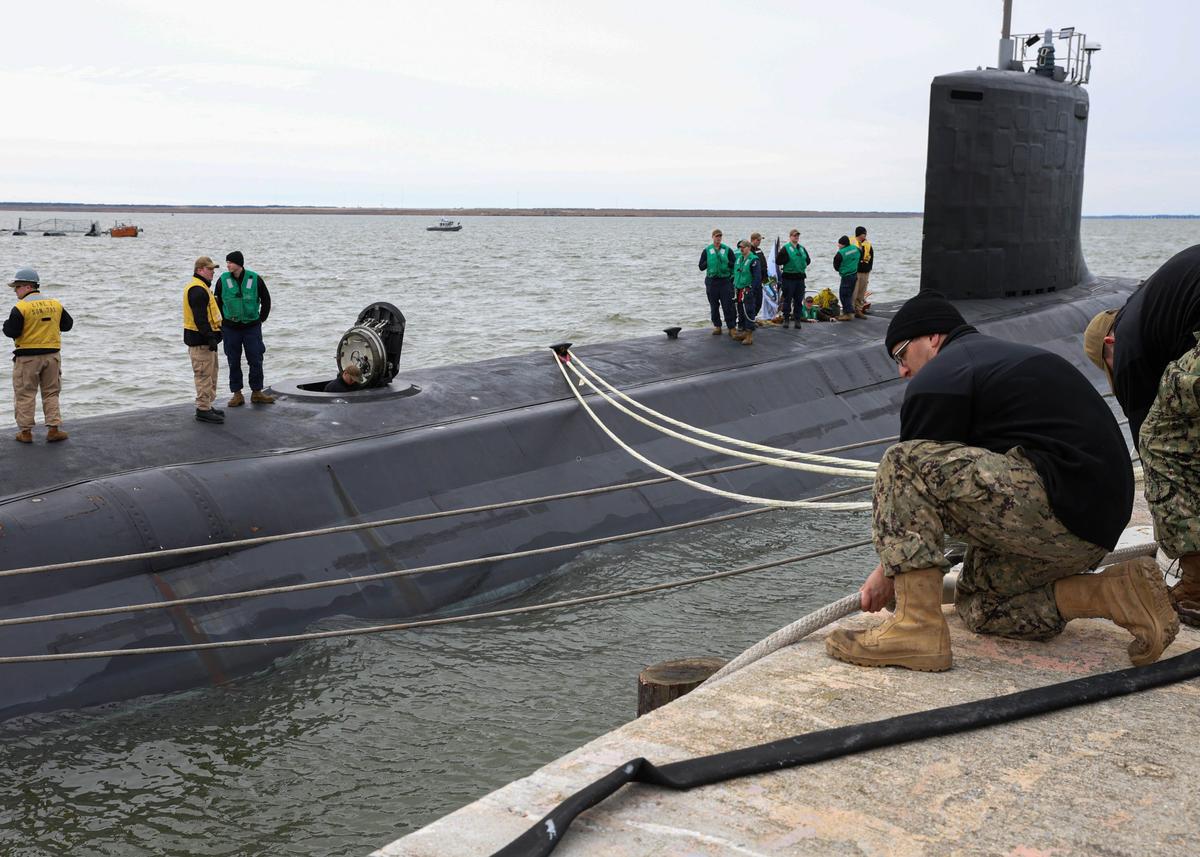
Launching the Newest Class of Shipbuilders
Key Takeaways
- •ATDM aims to graduate 1,000 shipbuilders annually.
- •1,350 workers have completed the program since 2021 launch.
- •Dept. of Labor forecasts 200‑250k maritime jobs needed by 2034.
- •Huntington Ingalls hires dozens of ATDM graduates for submarines.
- •Curriculum covers additive manufacturing, CNC machining, NDT, welding, inspection.
Pulse Analysis
The U.S. shipbuilding sector faces a looming talent shortfall, with the Department of Labor estimating a demand for up to 250,000 additional maritime workers in the next ten years. This scarcity threatens the Navy’s ambitious "Golden Fleet" initiative, which calls for 19 new vessels in the 2026 defense budget. Programs like ATDM are emerging as strategic solutions, converting underutilized labor pools in distressed regions into highly specialized shipbuilding crews. By concentrating training on advanced manufacturing techniques—such as 3D printing and CNC machining—the institute equips trainees with skills that are directly transferable to modern naval construction.
ATDM’s impact extends beyond numbers; it creates a seamless pipeline linking education, industry, and defense. Partnerships with heavyweight contractors like BAE Systems, Northrop Grumman, and Huntington Ingalls Industries ensure that curricula stay aligned with real‑world requirements. Graduates are immediately deployable to Hampton Roads, the nation’s premier shipbuilding hub, where a 40% decline in repair workloads has heightened concerns about workforce stability. By supplying a steady stream of qualified craftsmen, ATDM helps mitigate the cyclical volatility that has historically plagued the sector, offering shipyards a reliable talent base regardless of fluctuating contract volumes.
For the town of Danville, the program represents economic rejuvenation. Once reliant on textiles and furniture manufacturing, the community now leverages its hands‑on heritage to attract high‑tech training investments. The initiative provides participants with housing, transportation and guaranteed employment, targeting individuals seeking a career reset. As the Navy and Department of Defense continue to fund the effort, Danville’s model could be replicated in other post‑industrial locales, turning workforce deficits into strategic assets for national security and regional prosperity.
Launching the Newest Class of Shipbuilders
Comments
Want to join the conversation?