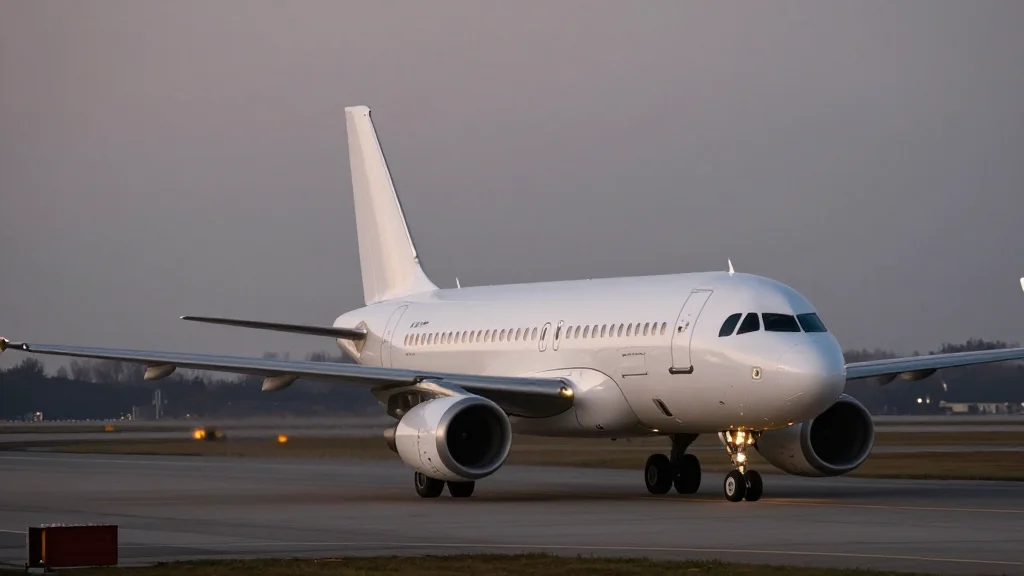
Listen: Final Spirit Airlines Flight Asked Tower, “Are We The Last One?” — Then Said Goodbye
Key Takeaways
- •Spirit's final flight landed at DFW, marking its operational end
- •Government bailout was rejected; creditors preferred a restructuring deal
- •Competitors launched rescue fares to capture displaced Spirit customers
- •Rising costs and weak product contributed to Spirit's collapse
- •Employees face seniority loss when transitioning to new airlines
Pulse Analysis
The ultra‑low‑cost carrier (ULCC) model that propelled Spirit Airlines to rapid growth in the 2010s has hit a breaking point. After a decade of aggressive price wars, Spirit’s cost base ballooned—fuel, labor and maintenance expenses rose more than 40% post‑pandemic—while legacy carriers like United, Delta and American refined their own low‑fare offerings. Without a differentiated product or a sustainable cost structure, Spirit’s margins eroded, leaving it vulnerable to cash‑flow shocks and ultimately forcing a shutdown that reverberated across the industry.
The political debate over a taxpayer bailout highlighted the tension between market discipline and short‑term political gains. Commerce Secretary Howard Lutnick pushed for federal assistance as a potential Trump‑era win, but Transportation Secretary Sean Duffy warned that rescuing Spirit would set a dangerous precedent and disadvantage creditors. When the administration’s offer was turned down, bondholders presented a restructuring plan that avoided a government cram‑down, but the deal was still rejected. This episode signals that future airline distress may be resolved through private creditor negotiations rather than public funds, especially as antitrust scrutiny intensifies after the blocked JetBlue‑Spirit merger.
For consumers, the immediate fallout is a surge of “rescue” fares from Southwest, United and American, aimed at siphoning Spirit’s price‑sensitive travelers. Meanwhile, displaced employees must navigate seniority resets, potentially lowering their earnings and benefits. The market is likely to consolidate further, with remaining ULCCs such as Frontier and Allegiant poised to capture market share, while legacy carriers benefit from reduced competition on the lowest‑fare segment. The Spirit shutdown thus reshapes the competitive landscape, influencing fare structures, labor dynamics, and the strategic calculus of airlines facing similar cost pressures.
Listen: Final Spirit Airlines Flight Asked Tower, “Are We The Last One?” — Then Said Goodbye
Comments
Want to join the conversation?