Mea Culpa: Correcting The Ferry Battery Orderbook Still Leaves A Strong Electrification Story
Key Takeaways
- •About 40% of ferry orders now include battery‑electric or hybrid systems
- •DNV counts 346 operating battery‑equipped ferries and 98 on order (2024)
- •Urban and short‑route Ro‑Pax ferries are the most electrifiable segments
- •Port power infrastructure, not vessel tech, is the next bottleneck
Pulse Analysis
The ferry sector has emerged as the low‑hanging fruit of maritime electrification. With roughly 8,700 passenger vessels worldwide, even a modest 10% turnover translates into hundreds of new battery‑propelled ships. By correcting the inflated 70% claim to a more realistic 40%, analysts highlight a genuine market momentum: DNV’s count of 346 in‑service battery ferries and 98 pending orders underscores that operators are already committing capital, not just piloting concepts. This scale provides shipyards, battery manufacturers, and financing firms a clear revenue pipeline.
Electrification is not uniform across all ferry types. Urban commuter ferries and short‑route Ro‑Pax services benefit from predictable schedules, short distances and dedicated berths, making shore‑side charging economically attractive. Hybrid solutions dominate medium‑distance regional routes where energy demand exceeds current battery limits, while high‑speed hydrofoils remain niche due to power‑weight challenges. Geography matters too: Northern Europe leads thanks to supportive policies and robust grids, whereas North America’s progress hinges on fragmented procurement and utility timelines, and Asia’s activity is under‑reported despite dense island networks.
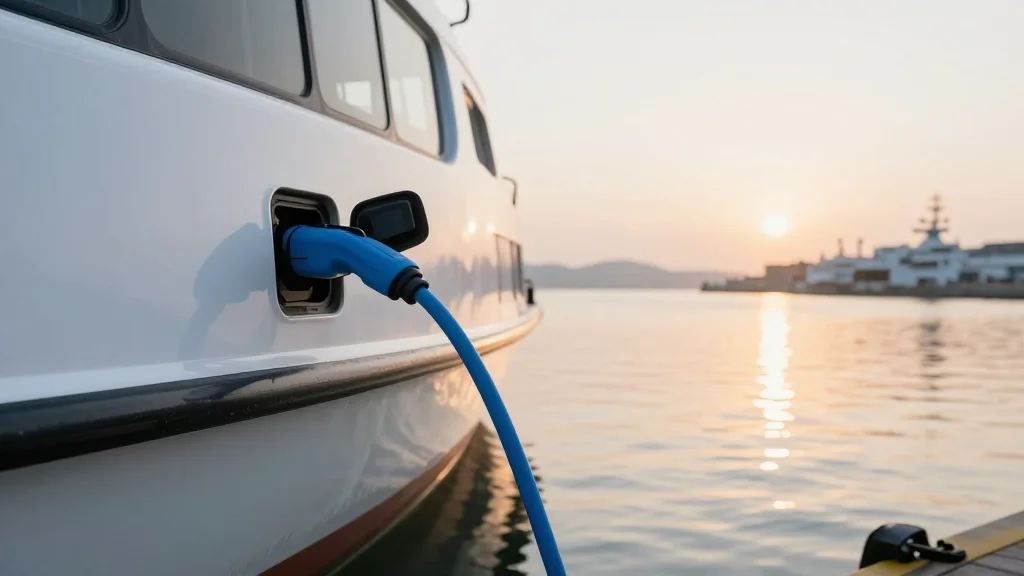
The decisive factor now is shore‑side power. Studies show over half of European ports need chargers below 5 MW, a technically feasible but capital‑intensive upgrade. Utilities, port authorities and governments must coordinate to deliver reliable, high‑capacity electricity, turning the bottleneck from vessel design to grid infrastructure. As fleets age—average European ferry is 26 years—replacement cycles will align with these upgrades, creating a wave of electric procurements through the 2020s. Investors and policymakers who address the port‑charging gap can accelerate decarbonisation, reduce urban air pollution, and capture a growing share of the maritime clean‑tech market.
Mea Culpa: Correcting The Ferry Battery Orderbook Still Leaves A Strong Electrification Story
Comments
Want to join the conversation?