Key Takeaways
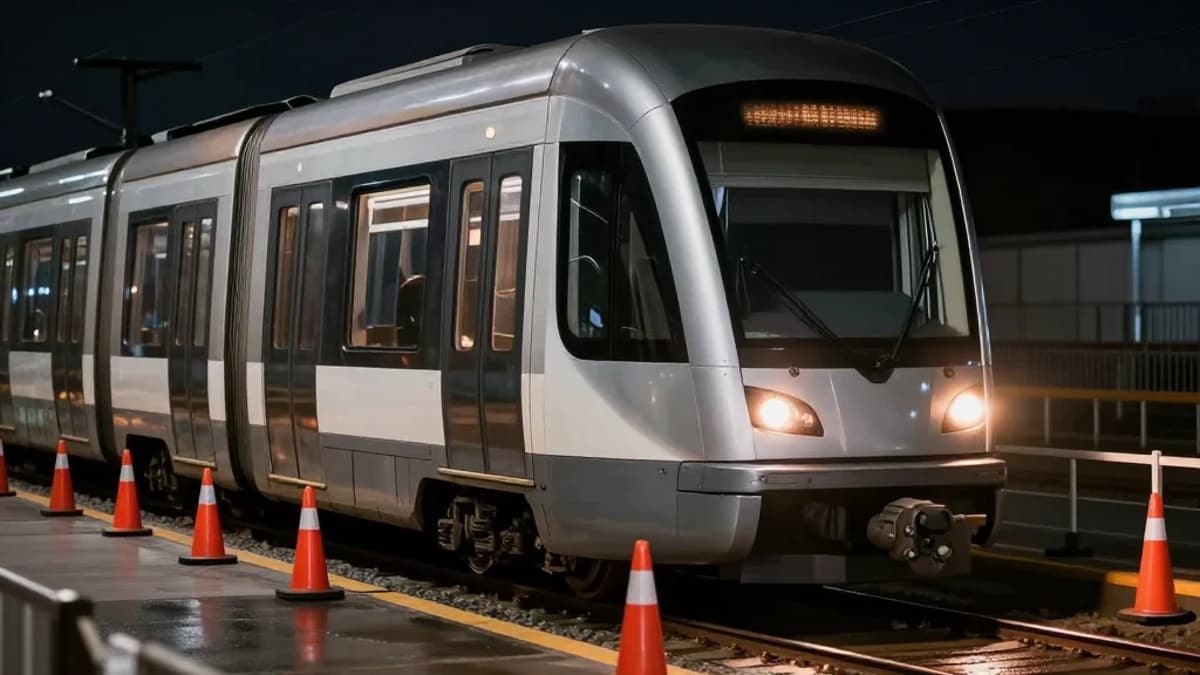
- •Eastside 2 Line faces recurring power outages
- •Sound Transit breaks ground on Stride S3 BRT
- •Washington proposes $2 billion highway maintenance bonds
- •New roundabout opens on NE 85th Street, I‑405
- •Upzoning plans target transit corridors beyond half‑block
Summary
The midweek roundup highlights Seattle’s transportation challenges and new projects. Power reliability continues to plague the Eastside 2 Line while Sound Transit has broken ground on the Stride S3 bus‑rapid‑transit corridor. State legislators are moving $2 billion in bonds for highway upkeep, and a new roundabout on NE 85th Street will ease I‑405 traffic. Meanwhile, land‑use debates focus on upzoning, underground utility mandates, and the untapped value of freeway corridors.
Pulse Analysis
Seattle’s transit network is at a crossroads. The Eastside 2 Line’s recurring power failures have prompted agencies to lobby the state legislature, yet legislative relief appears unlikely this year. In contrast, Sound Transit’s recent groundbreaking of the Stride S3 bus‑rapid‑transit line promises a high‑frequency corridor between Bothell and Shoreline, signaling a shift toward flexible, surface‑level solutions. Meanwhile, Washington lawmakers are earmarking $2 billion in bonds to address a mounting highway maintenance backlog, and a newly opened peanut‑shaped roundabout on NE 85th Street aims to smooth I‑405 congestion. Even the state ferry system joined the celebration with a limited‑edition beer, underscoring the cultural cachet of regional mobility.
Parallel to infrastructure upgrades, land‑use policy is gaining traction. Seattle’s planning director has hinted at upzoning within two blocks of transit corridors, a move that could increase housing supply without expanding sprawl. Critics argue that current City Light requirements for underground power connections on multi‑unit developments create a construction bottleneck, slowing the very growth the upzoning seeks to enable. Beyond the city limits, Bloomberg reports that dormant freeway corridors represent over $500 billion of untapped development potential nationwide, suggesting that rethinking highway footprints could unlock significant tax revenue and reshape urban form.
The cumulative effect of these initiatives reaches beyond traffic flow. Seattle’s aggressive infill strategy has already averted more than one million tons of greenhouse‑gas emissions, positioning the city as a model for low‑sprawl growth. However, concerns about “overtourism” and the underperformance of the older convention center highlight the delicate balance between economic vitality and quality of life. As the region invests in both physical assets and policy reforms, the interplay between mobility, housing, and environmental outcomes will determine whether Seattle can sustain its growth while meeting climate and affordability goals.
Comments
Want to join the conversation?