Key Takeaways
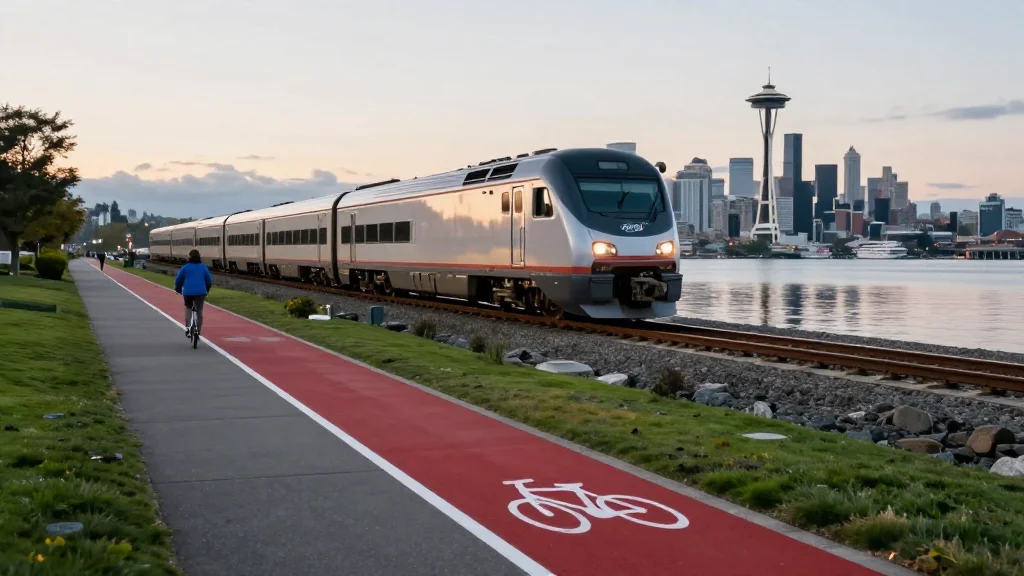
- •Seattle waterfront greenway launches in two phases this Friday
- •Bicycle Weekends now run every non‑Seafair weekend May‑Sept
- •Amtrak SODO trainyard expansion half complete, slated for 2027 opening
- •Diesel price hits $7.10 per gallon, highest regional record
Pulse Analysis
Seattle is cementing its reputation as a leader in active‑transport infrastructure. The newly opened waterfront greenway, spanning the city’s iconic shoreline, provides pedestrians and cyclists with a scenic, car‑free corridor that is expected to boost local tourism and waterfront commerce. Coupled with Mayor Wilson’s decision to make Bicycle Weekends a year‑round summer fixture, the city is encouraging a shift from single‑occupancy vehicles to healthier, low‑emission travel modes, aligning with broader climate goals and supporting a burgeoning bike‑share economy.
Rail investments are reshaping the region’s freight and passenger landscape. Amtrak’s SODO trainyard expansion, now at the midway point, will increase capacity for freight handling and improve on‑time performance for passenger services, with the full facility slated for 2027. The introduction of new Airo trainsets to the Cascades corridor promises faster, more reliable trips across the Pacific Northwest. Meanwhile, Sound Transit’s upcoming draft EIS for the Everett Link Extension signals a continued commitment to extending commuter rail reach, while debates over extending the 1 Line to Tacoma highlight the strategic importance of regional rail integration for economic growth and congestion mitigation.
The surge in diesel prices to $7.10 per gallon adds urgency to these multimodal efforts, as higher fuel costs strain logistics firms and raise operating expenses for truck‑dependent businesses. This price pressure, combined with the historic 35‑year milestone of the university U‑Pass, underscores a growing public appetite for affordable, reliable transit alternatives. As Seattle balances legacy infrastructure with forward‑looking projects, the city’s transportation policies will likely serve as a bellwether for other West Coast metros navigating the twin challenges of sustainability and mobility demand.
Midweek Roundup: Retro Metro
Comments
Want to join the conversation?