Miniature Galleys, More Seats, and No Seatback Screens: American Airlines Steps Up Retrofit Program of Airbus A319 and A320 Airplanes
Key Takeaways
- •First Class seats increase to 12 on A319, 16 on A320
- •XL overhead bins allow sideways roll‑aboard storage, boosting bag capacity
- •SpaceFlex galley halves rear crew workspace, adding two slim‑line lavatories
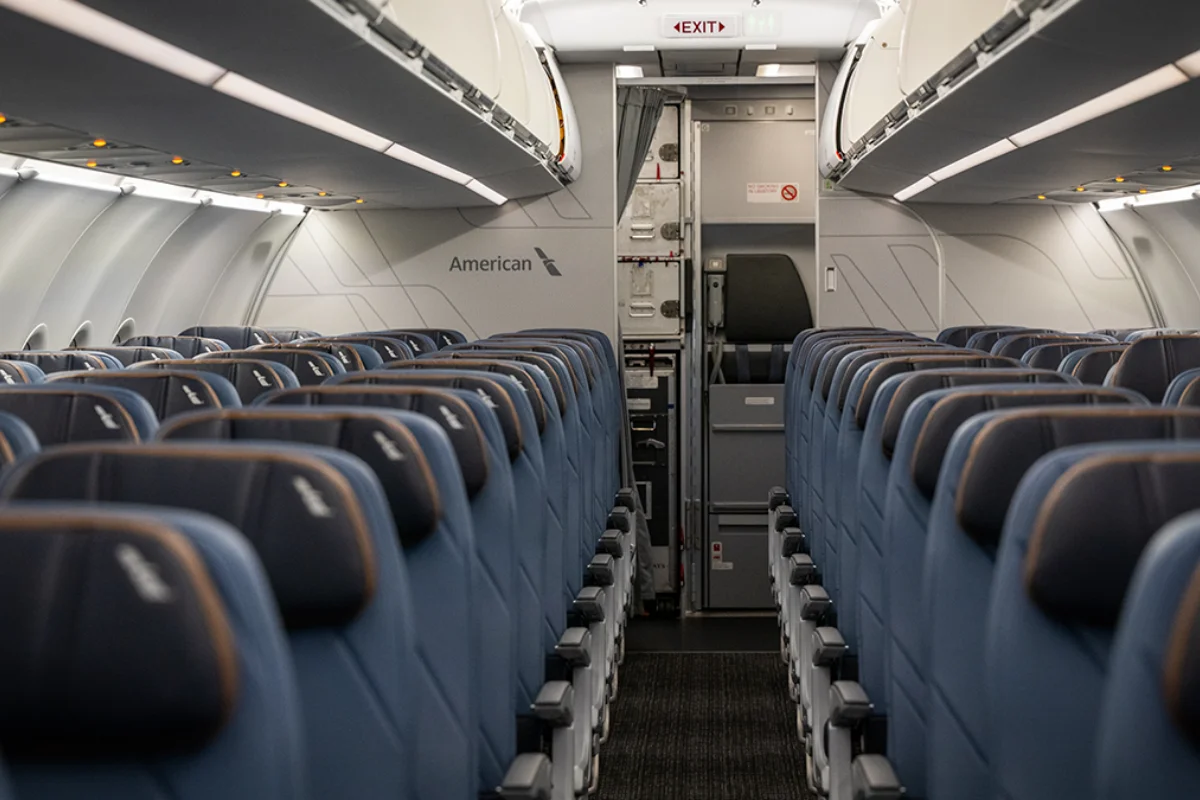
- •Seatback screens omitted, keeping cabin cost low but reducing entertainment
- •Starlink Wi‑Fi slated for early 2027, offering high‑speed connectivity
Pulse Analysis
Airlines worldwide are turning to cabin retrofits as a cost‑effective alternative to buying new aircraft, especially as the narrow‑body market faces pressure from ultra‑low‑cost carriers. By modernizing interiors, carriers can extend the service life of older jets, improve fuel efficiency through weight savings, and refresh the passenger experience without the capital outlay of fresh orders. American Airlines' decision to revamp its A319/A320 fleet reflects this broader industry shift, leveraging design cues from its newer 787‑9P and A321XLR models to stay visually consistent across its network.
The retrofit program, which began with a 12‑year‑old A319, adds a suite of passenger‑focused upgrades: privacy‑wing First Class seats, larger XL overhead bins that store roll‑aboards sideways, enhanced mood lighting, and power outlets at every seat. First Class capacity rises to 12 seats on the A319 and 16 on the A320, while overall seat counts stay at 150 to avoid triggering a third flight‑attendant requirement. To free up cabin space, American installed Airbus' SpaceFlex galley, cutting the rear crew area in half and inserting two slim‑line lavatories. While this maximizes revenue‑generating seats, it compresses crew work zones, a change long warned against by former CEO Doug Parker and one that has drawn criticism from flight‑attendant unions.
The trade‑offs extend to passenger entertainment. American has opted not to reinstall seatback screens on the retrofitted aircraft, a move that reduces cabin weight and maintenance costs but may disappoint travelers accustomed to on‑board video. However, the airline promises free, high‑speed Starlink Wi‑Fi starting in early 2027, positioning the fleet as a connectivity leader. The combined effect of premium‑seat expansion, cost‑saving interior choices, and next‑gen Wi‑Fi will shape American's ability to attract higher‑yield customers while managing operational expenses in a fiercely competitive domestic market.
Miniature Galleys, More Seats, and No Seatback Screens: American Airlines Steps Up Retrofit Program of Airbus A319 and A320 Airplanes
Comments
Want to join the conversation?