
Key Takeaways
- •Most navies lack capacity to protect wartime maritime trade
- •Close blockades can be countered with drones, sensors, and mines
- •Blue‑water convoy escorts are insufficient across major navies today
- •Only the US Navy can realistically force open strategic straits
- •US Navy budget emphasizes land‑attack capability over true maritime defense
Pulse Analysis
Historically, naval power was measured by the ability to impose blockades and dominate sea lanes, a model that suited the massive fleets of the World Wars. In the post‑Cold War era, however, the strategic calculus has shifted: small navies struggle to achieve decisive outcomes, and advanced land‑based aircraft or unmanned systems can threaten ships without a traditional battle‑fleet. This evolution calls into question the continued justification for large, budget‑heavy navies that were built around a now‑obsolete doctrine of surface‑to‑surface dominance.
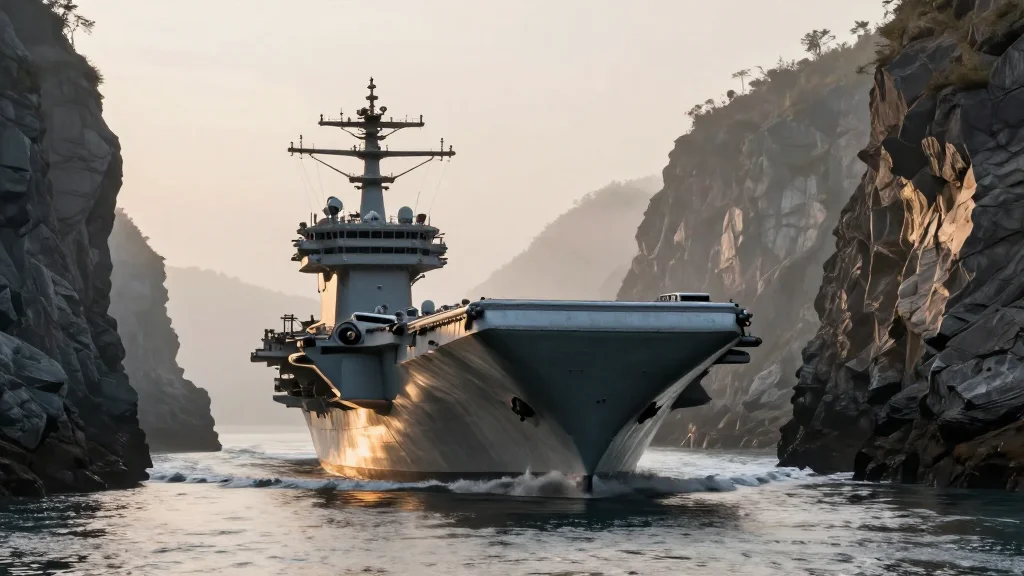
The author breaks the navy’s trade‑protection role into three tasks. Breaking a close blockade can be achieved with drones, seabed sensors and defensive mines, reducing the need for capital ships. Countering a distant, blue‑water blockade requires massive escort groups—hundreds of destroyers or frigates—to shield convoys, a capability NATO lost in the 1970s and which even the U.S. and Chinese navies cannot sustain at scale. Forcing open strategic straits remains a near‑exclusive U.S. capability, yet recent encounters with Iranian and Houthi forces demonstrate its limits. The gap between required escort numbers and existing fleets highlights a systemic shortfall in maritime security.
Policy makers must confront the mismatch between naval budgets and operational realities. Redirecting funds toward unmanned surface and subsurface platforms could provide cost‑effective coverage of choke points and convoy routes without the overhead of traditional warships. Simultaneously, a clearer delineation between land‑attack functions and genuine sea‑control missions would prevent the U.S. Navy from becoming a de‑facto ground‑force. Rebalancing resources toward anti‑submarine warfare, sensor networks, and rapid‑response escort groups will better safeguard global trade in an era where non‑state actors and near‑peer competitors can threaten the seas with far fewer vessels than in the past.
Navies and trade
Comments
Want to join the conversation?