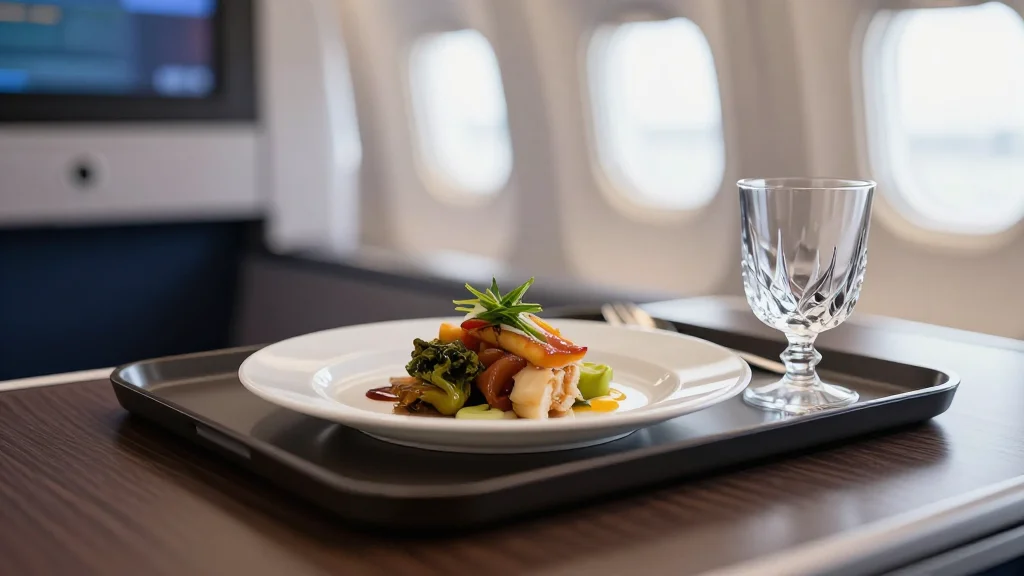
Nearly Two Months Later, American Airlines Has Finally Resolved Its Catering Meltdown at London Heathrow
Key Takeaways
- •American ends Heathrow catering crisis with Do&Co contract
- •Double provisioning from the U.S. caused galley space constraints
- •Flight attendants demanded extra pay for added workload
- •British Airways temporarily supplied Do&Co capacity for Business Class
- •Long‑term supplier still undecided; American continues search
Pulse Analysis
The Heathrow catering debacle highlighted how a sudden supplier change can ripple through an airline’s operations. When American Airlines terminated its Dnata contract in early March, the carrier lacked a ready alternative for up to 19 daily flights. To keep schedules, it resorted to double provisioning—loading meals for both outbound and return legs in the United States. This practice strained galley capacity, forced cabin‑crew adjustments, and sparked a grievance from the flight‑attendant union demanding additional compensation for the extra workload.
Do&Co’s entry as a temporary provider marks a critical turning point. Leveraging spare capacity from its partnership with British Airways, Do&Co restored Business Class service while the airline phased in full‑cabin catering at Heathrow. The transition, however, has not been seamless; American continues to double‑provision for a few days to mitigate teething issues, and crew morale remains a concern after an internal memo acknowledged the “unprecedented and complex transition” without offering financial rewards. The situation underscores the importance of aligning labor considerations with operational fixes during crisis management.
For the broader industry, the episode serves as a cautionary tale about the risks of abrupt vendor switches in high‑volume hubs. Consistent, high‑quality catering is a key differentiator for premium travelers and a factor in airline brand perception. American’s ongoing hunt for a long‑term Heathrow partner suggests that airlines will increasingly scrutinize supplier reliability, hygiene standards, and contractual flexibility. Securing a stable catering partner not only safeguards passenger satisfaction but also reduces operational complexity, helping carriers maintain schedule integrity and cost efficiency on lucrative transatlantic routes.
Nearly Two Months Later, American Airlines Has Finally Resolved its Catering Meltdown at London Heathrow
Comments
Want to join the conversation?