Op-Ed: Summer in Berlin Changes Perspective on Cars
Key Takeaways
- •Berlin trams show efficient, accessible urban mobility.
- •Restoring existing rail can boost ridership without new construction.
- •Electrified Caltrain cut 89% of black carbon emissions.
- •Public transit improves safety perception and community cohesion.
- •High fuel prices increase car ownership costs, driving transit demand.
Pulse Analysis
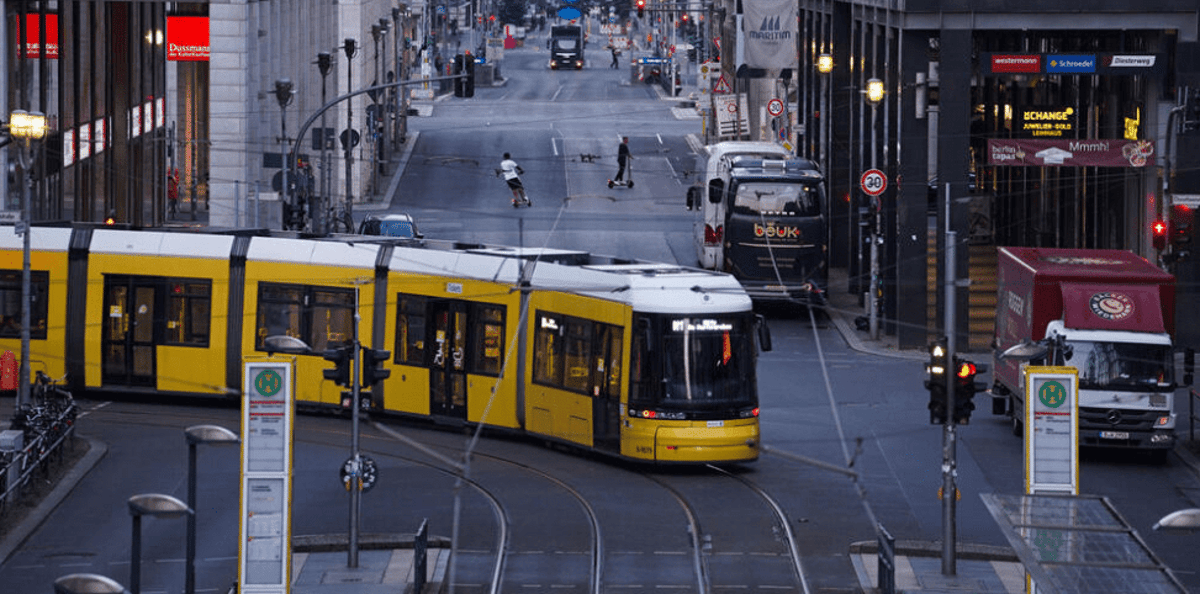
Berlin’s tram and S‑Bahn networks illustrate how dense, reliable public transit can reshape daily life. A visitor from California quickly noticed that a short walk to a tram stop replaced the need for a personal vehicle, delivering coffee, groceries, and park access within minutes. Studies consistently link such systems to higher local economic output, reduced congestion, and measurable cuts in carbon dioxide emissions. Moreover, the seamless, clean environment of Berlin’s trains challenges the perception that transit is unsafe or inconvenient, offering a tangible model for U.S. cities seeking to lower car dependence.
In California, the debate often centers on the high cost of new rail projects, especially the stalled high‑speed rail. Yet the state already possesses a network of underused corridors that can be upgraded at a fraction of the price. The recent electrification of Caltrain, for example, eliminated roughly 89 % of carcinogenic black carbon and lowered noise levels, proving that retrofits deliver immediate health and environmental gains. Restoring and modernizing existing lines can boost ridership, generate revenue, and avoid the political pitfalls of entirely new construction.
The shift toward public transit is not merely an environmental imperative; it is an equity and safety issue. Reliable service provides mobility for low‑income households and people with disabilities, reducing reliance on costly car ownership. As gasoline prices climb, the economic calculus increasingly favors mass transit, while safety data show that per‑passenger crash risk is lower on trains than in cars. Policymakers should therefore prioritize funding for clean rail upgrades, integrate land‑use planning that encourages walkable neighborhoods, and launch public‑information campaigns to reframe transit as a community asset rather than a last‑resort option.
Op-Ed: Summer in Berlin Changes Perspective on Cars
Comments
Want to join the conversation?