Over One Third of Airline Passengers Don’t Know They Have to Leave Everything Behind During an Emergency Evacuation
Key Takeaways
- •Over one‑third of travelers think they can keep bags during evacuation.
- •IATA’s new campaign urges airlines to educate passengers on “leave bags” rule.
- •FAA safety alert recommends updated briefings, signage, and collective‑responsibility messaging.
- •Researchers found 75% would ignore crew if they felt no immediate danger.
- •Lockable overhead bins are discussed, but no manufacturer has produced them yet.
Pulse Analysis
The latest IATA research highlights a persistent gap between safety messaging and passenger behavior. While airlines have long instructed travelers to abandon hand baggage in an emergency, more than 33% still attempt to retrieve it, jeopardizing both personal safety and that of fellow passengers. Psychologists attribute this to loss aversion and mistrust that airlines will safeguard belongings, a mindset reinforced by the rise of hand‑luggage‑only fare structures that place greater value on personal items.
In response, IATA’s "Save a Life, Not a Bag" campaign seeks to reshape the narrative through standardized briefings, visual cues at gates, and social‑proof messaging that frames compliance as a collective duty. The FAA’s recent Safety Alert to Operators echoes this approach, urging carriers to overhaul pre‑flight announcements, install clear signage, and adopt slogans like "Help everyone get out safely—leave your bags." These coordinated efforts aim to make the evacuation protocol as instinctive as the seat‑belt reminder once was for motorists.
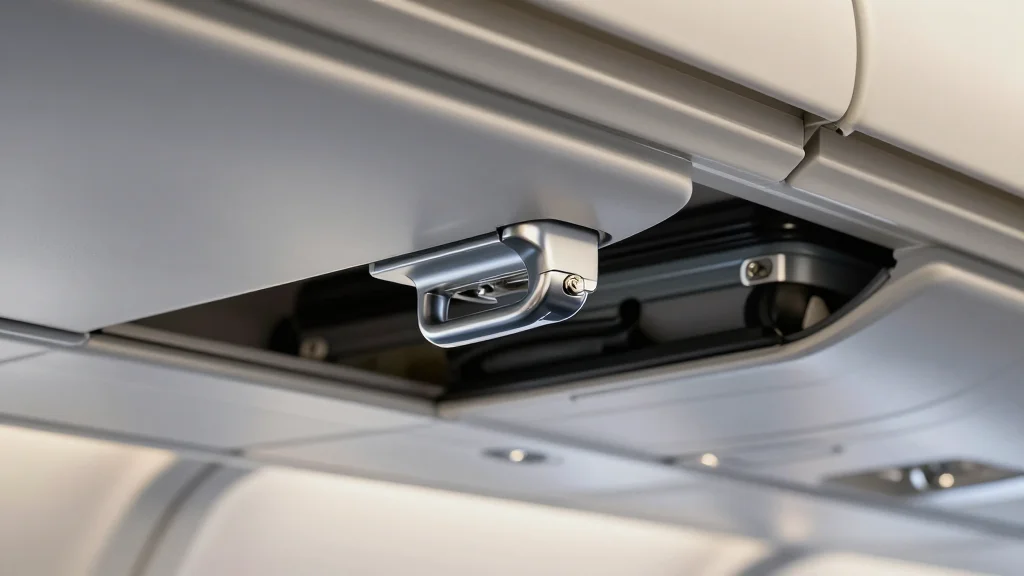
Looking ahead, the industry faces a trade‑off between behavioral nudges and engineering solutions. IATA’s proposal for remotely lockable overhead bins could eliminate the temptation to retrieve luggage, but retrofitting fleets would entail hundreds of millions in costs and require manufacturer cooperation. Until such hardware becomes viable, airlines must rely on education, enforcement, and consistent crew commands to close the compliance gap and protect lives on the tarmac.
Over One Third of Airline Passengers Don’t Know They Have to Leave Everything Behind During an Emergency Evacuation
Comments
Want to join the conversation?