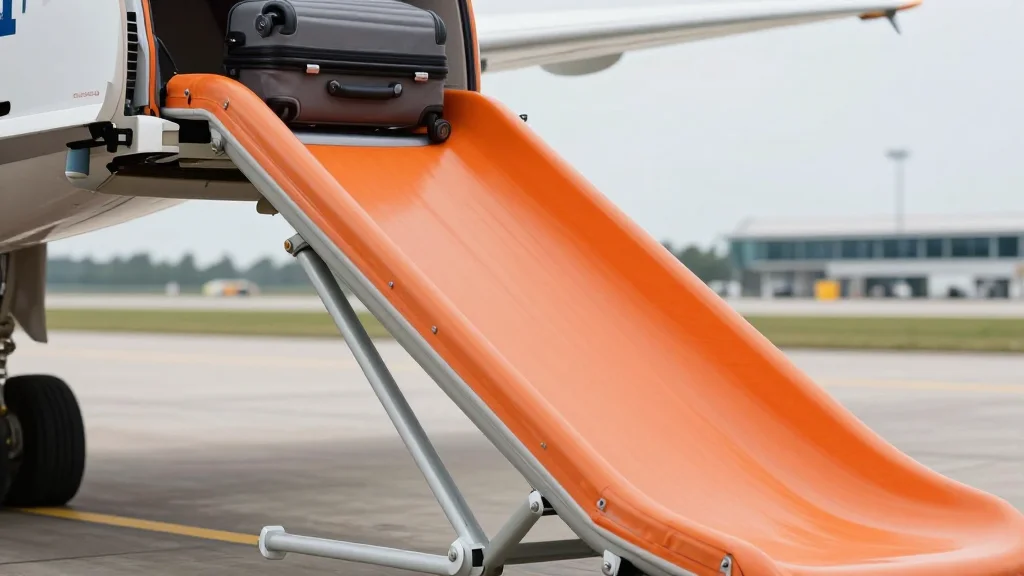
Passengers Take Selfies, Evacuate Swiss Flight With Bags In Hand After Engine Failure
Key Takeaways
- •Engine failure on takeoff forced rejected takeoff, aircraft stopped on runway
- •Two passengers suffered serious leg fractures during evacuation
- •Passengers grabbed carry‑ons and filmed, slowing slide egress
- •Experts urge modeling actual passenger behavior in safety planning
- •Airlines may revise evacuation messaging and bin‑lock policies
Pulse Analysis
The abrupt engine failure on Swiss flight 147 underscores the thin margin between a controlled abort and a potential catastrophe. While the crew’s swift decision to reject take‑off and halt the aircraft averted a runway overrun, the subsequent fire risk from overheated brakes added urgency to the evacuation. Such incidents remind airlines that technical reliability must be paired with robust emergency response training, especially when crews must manage both mechanical failures and unpredictable passenger conduct.
Passenger behavior during emergencies has become a focal point for aviation safety experts. In this case, travelers clutched carry‑on luggage and recorded selfies, actions that extended slide egress times and contributed to two serious injuries. Studies show that even a few seconds of delay can increase exposure to smoke or fire, making it essential for airlines to design safety briefings that resonate under stress. Real‑world modeling—incorporating the likelihood that passengers will prioritize personal items—can inform more effective signage, crew instructions, and cabin‑interior configurations.
Regulators and airlines are likely to respond with revised policies aimed at curbing baggage‑related delays. Options include redesigning overhead bins to auto‑lock during emergencies, enhancing pre‑flight safety videos with vivid consequences of bag retrieval, and employing cabin crew messaging that emphasizes collective safety over individual belongings. While punitive measures have limited deterrent power, clear, memorable communication—reinforced through recurrent training—can shift passenger mindset. The Swiss incident serves as a cautionary tale that the human factor remains a critical variable in aviation safety, demanding continuous innovation in both technology and behavioral strategy.
Passengers Take Selfies, Evacuate Swiss Flight With Bags In Hand After Engine Failure
Comments
Want to join the conversation?