Pilots of United Airlines Flight From Chicago Declare Emergency Level 4 Passenger Threat as Russian Citizen Tries to ‘Breach Cockpit’
Key Takeaways
- •United pilots declared Level 4 threat 20 minutes after takeoff
- •Russian passenger attempted cockpit breach, prompting emergency diversion to Madison
- •Off‑duty law enforcement subdued passenger; plane landed safely
- •United broadcasted alert to all airborne flights as precaution
- •FAA requires secondary cockpit doors on new planes, not retrofits
Pulse Analysis
Unruly passenger incidents have long been a challenge for airlines, but a Level 4 threat—an actual or attempted cockpit breach—represents the most severe scenario. In the United flight from Chicago to Minneapolis, a passenger’s aggression escalated from seat‑row disputes to a direct charge at the cockpit door, prompting the crew to engage the reinforced door lockdown system. The rapid decision to divert to Madison, coupled with the presence of off‑duty law‑enforcement officers, prevented a potential hijacking and illustrates how immediate crew response and onboard security resources can neutralize high‑risk situations.
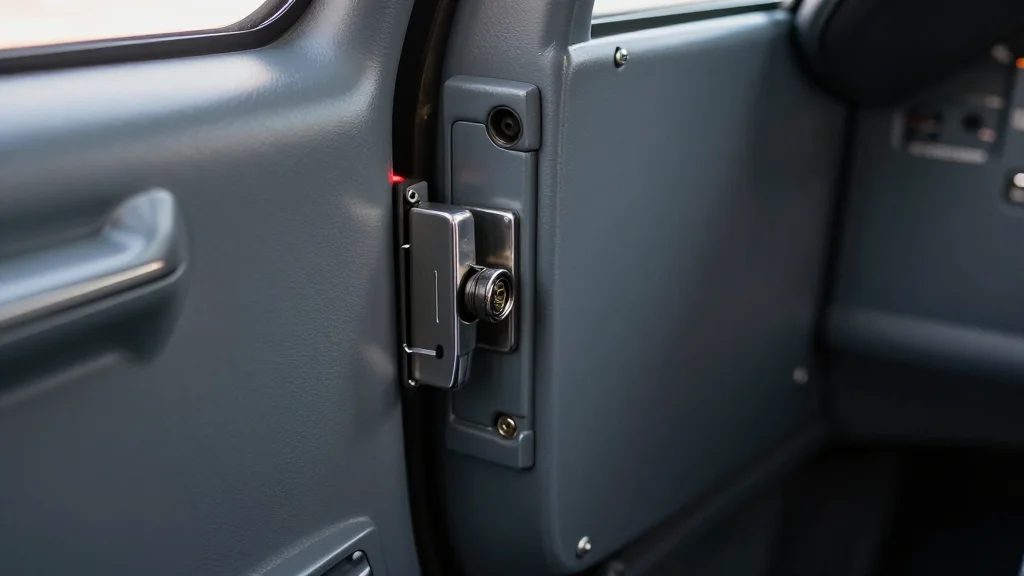
The incident triggered United’s internal emergency protocol, broadcasting a real‑time alert to every aircraft in the sky. Such a network‑wide warning ensures that other pilots keep their cockpit doors secured, mitigating the risk of a coordinated attempt to breach multiple flights. It also shines a light on the industry’s ongoing rollout of secondary cockpit doors. While new aircraft now must include a backup barrier to protect the brief moments when the primary door is opened, legacy planes remain vulnerable, as retrofitting is not mandated. This regulatory gap creates a tiered security landscape where newer fleets enjoy added protection while older models rely solely on the primary, bullet‑proof door.
Regulators and airlines are now weighing the cost‑benefit of accelerating secondary‑door installations across older fleets, especially as high‑profile incidents draw public scrutiny. The Federal Aviation Administration’s current mandate focuses on new builds, but pressure is mounting for a broader safety mandate that could include phased retrofits. For carriers, the balance lies between operational disruption, capital expenditure, and maintaining passenger confidence. As the industry adapts, heightened training for crew, improved passenger screening, and more robust communication channels will be essential to prevent future Level 4 threats from escalating into full‑scale security crises.
Pilots of United Airlines Flight From Chicago Declare Emergency Level 4 Passenger Threat as Russian Citizen Tries to ‘Breach Cockpit’
Comments
Want to join the conversation?