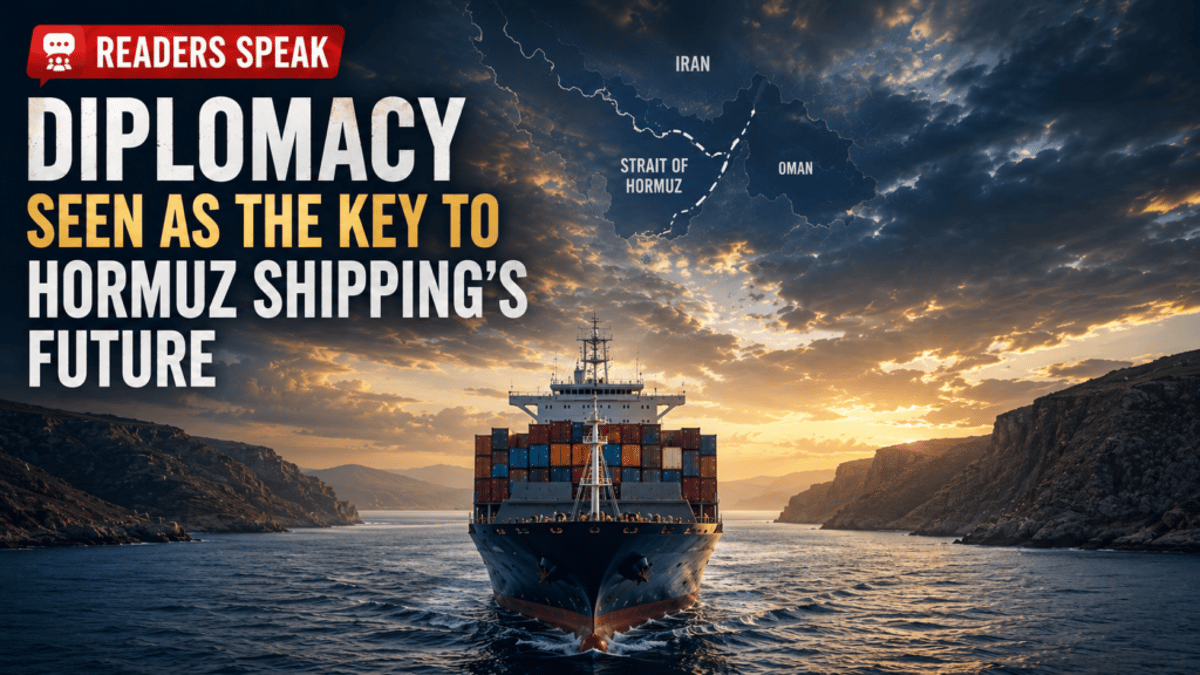
Readers Speak: Diplomacy Seen as Key to Hormuz Shipping Future
Key Takeaways
- •Diplomacy ranked top factor for Hormuz shipping future.
- •Iran's transit rules second‑most cited influence on carrier decisions.
- •Military pressure seen as limited driver compared to diplomatic solutions.
- •Oman’s strategic role receives minimal support despite mediation talks.
- •Poll reflects shift from short‑term security to long‑term political stability.
Pulse Analysis
The Strait of Hormuz remains a chokepoint for global energy flows, handling roughly 20% of the world’s oil trade. Recent months have seen a series of vessel attacks, heightened naval patrols, and fluctuating Iranian transit requirements, prompting carriers to reroute or delay shipments. In this volatile environment, Container News surveyed readers across LinkedIn and its website, uncovering a clear consensus: diplomatic progress is viewed as the primary lever to secure the corridor’s future. This sentiment marks a departure from earlier polls that emphasized immediate security threats and operational disruptions.
Industry participants argue that diplomatic breakthroughs—such as multilateral agreements on vessel verification, safe‑passage protocols, or broader U.S.-Iran de‑escalation talks—could deliver lasting predictability. Unlike ad‑hoc military deterrence, diplomatic solutions address the root causes of uncertainty, offering transparent rules for vessel transits and reducing the risk of sudden closures. When carriers can rely on stable, internationally recognized guidelines, they can optimize routing, lower fuel consumption, and negotiate more favorable freight rates, ultimately benefiting downstream consumers.
The poll’s findings carry strategic implications for shipowners, insurers, and investors. While Iran’s transit regulations remain a significant operational factor, and military posturing continues to shape short‑term risk assessments, the limited support for these elements suggests they are seen as secondary to political resolution. Oman’s mediation role, though acknowledged, garnered modest attention, indicating that broader diplomatic frameworks are expected to eclipse bilateral efforts. Stakeholders should therefore monitor diplomatic channels, engage in policy advocacy, and incorporate political risk scenarios into fleet planning to capitalize on a potential shift toward stability in Hormuz shipping.
Readers Speak: Diplomacy seen as key to Hormuz shipping future
Comments
Want to join the conversation?