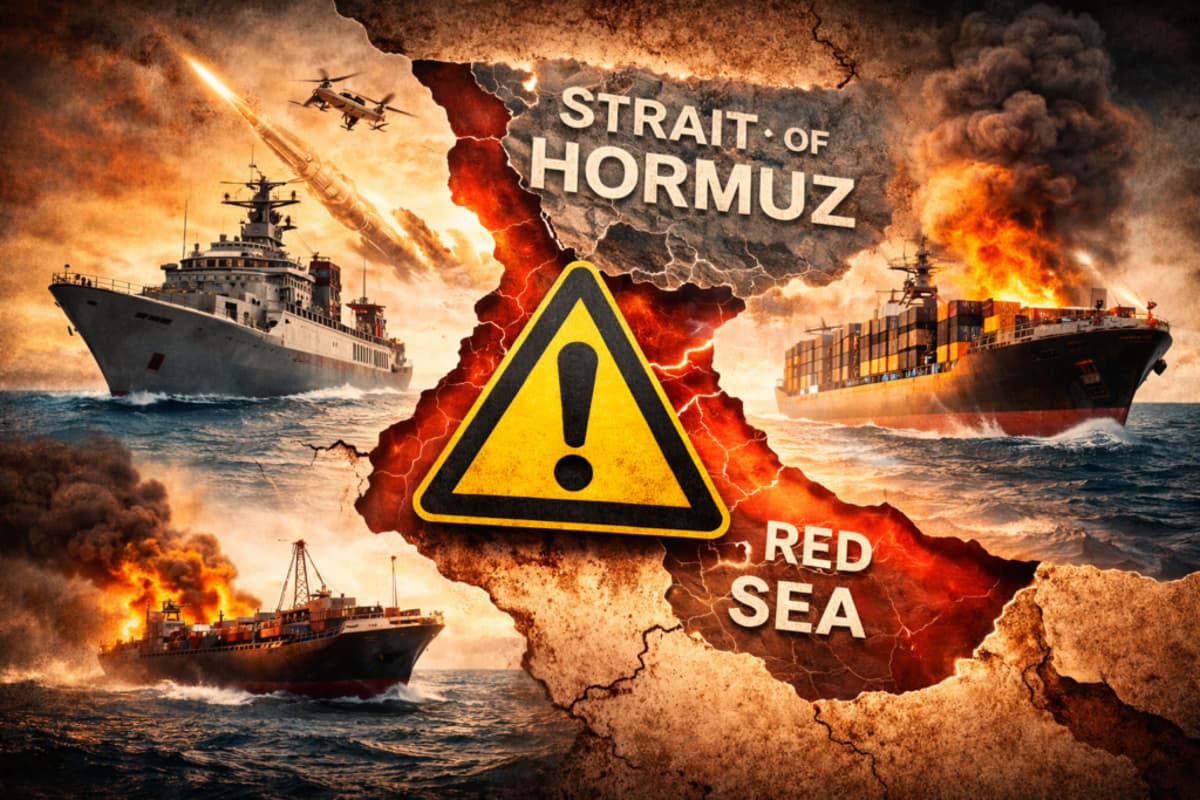
Readers Speak: Hormuz Tensions Threaten Red Sea Recovery
•March 9, 2026
0
Key Takeaways
- •Hormuz tensions could delay Red Sea route normalization.
- •Majority see regional risk expanding beyond single chokepoint.
- •Carriers may keep longer diversions around Africa.
- •Few view Hormuz and Red Sea risks as unrelated.
- •Security remains top variable for shipping decisions.
Summary
Growing instability in the Strait of Hormuz is prompting concerns that the recovery of container shipping in the Red Sea could stall. A recent Readers Speak poll shows most industry respondents believe regional risk will expand beyond a single chokepoint, potentially influencing carrier routing decisions across the Middle East. Some carriers, including Maersk and Hapag‑Lloyd, may delay normalizing Red Sea services and maintain longer diversions around southern Africa. The consensus underscores that geopolitical security remains a primary variable for global shipping plans.
Pulse Analysis
The Strait of Hormuz, a narrow passage linking the Persian Gulf with the open ocean, handles roughly a fifth of global oil shipments and a significant share of container traffic. Recent flare‑ups between Iran and regional rivals have raised the specter of closures or heightened naval confrontations, prompting shippers to reassess route reliability. Even a brief disruption can trigger a cascade of schedule adjustments, as carriers scramble to secure alternative lanes. Consequently, the market is closely watching diplomatic signals for any indication of prolonged instability.
The Red Sea, once choked by the Yemen conflict, has shown early signs of normalization, with major lines such as Maersk and Hapag‑Lloyd testing limited sailings. However, the Readers Speak poll reveals that a clear majority of respondents anticipate Hormuz volatility spilling over into Red Sea routing strategies. Survey participants argue that carriers are likely to delay full service restoration and retain longer detours around the Cape of Good Hope until regional security stabilizes. This interconnected risk perception underscores the shift from treating chokepoints as isolated incidents to viewing them as a linked maritime ecosystem.
From a commercial perspective, prolonged diversions add fuel costs, increase transit times and compress vessel utilization, pressuring earnings across the container sector. Analysts therefore expect freight rates on alternative routes to stay elevated while insurers reassess war‑risk premiums. Shipping firms are also investing in real‑time intelligence platforms to monitor geopolitical hotspots and adjust schedules proactively. As the Middle East maritime landscape evolves, the ability to navigate intertwined security challenges will become a decisive competitive advantage for carriers seeking to safeguard profitability and service reliability.
Comments
Want to join the conversation?