Safe Enough? East Palestine, Emergency Spending, and Who Gets Protected
Key Takeaways
- •East Palestine derailment left residents with lingering health concerns.
- •Federal emergency label triggers fast war‑budget style funding.
- •Disaster victims struggle for long‑term healthcare and environmental testing.
- •Budget politics dictate which emergencies receive meaningful support.
Pulse Analysis
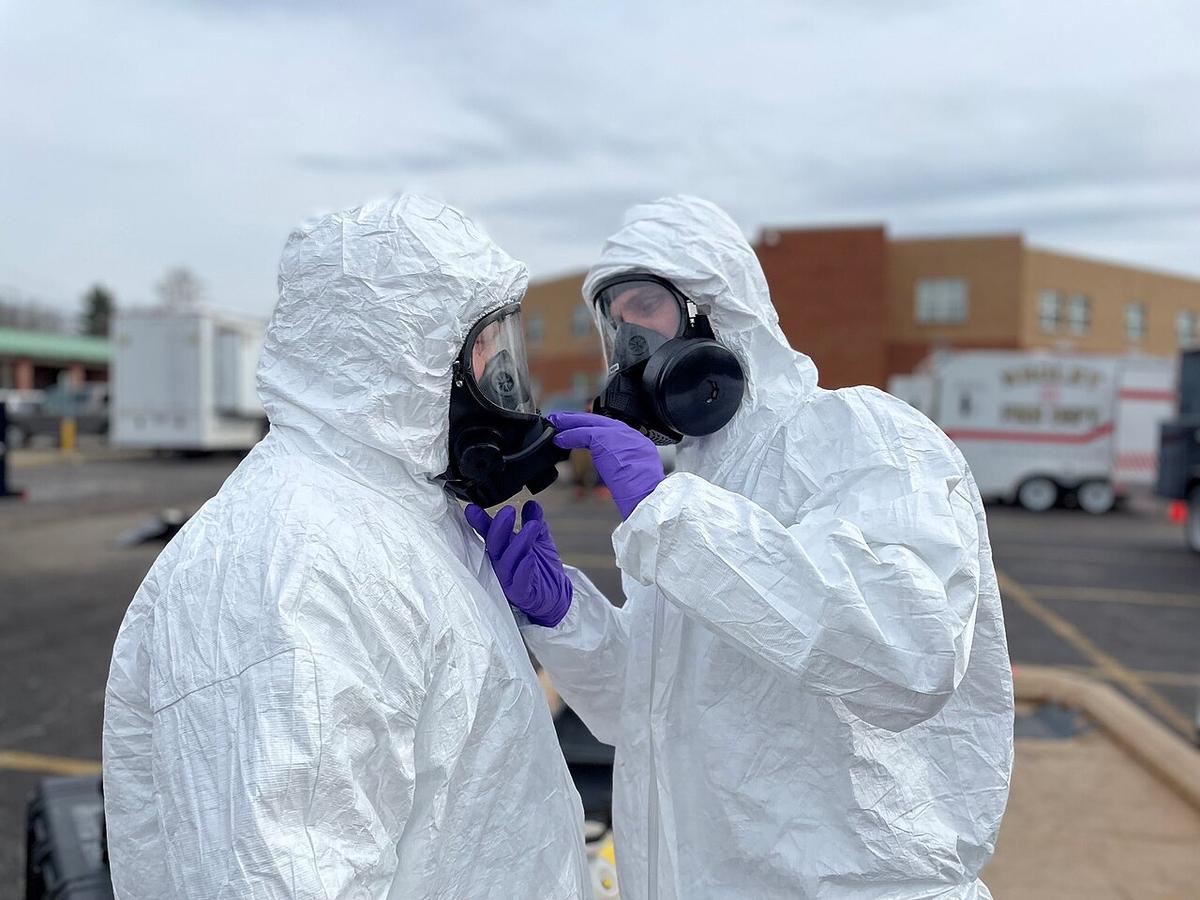
The February 2023 derailment of a Norfolk Southern freight train in East Palestine, Ohio, released hazardous chemicals into the air and soil, igniting immediate evacuation orders and a promise of safety from state officials. In the months that followed, residents reported persistent chemical odors, respiratory problems, and anxiety over potential long‑term health effects. Community groups like Rail Watch have been documenting these impacts, pressing for transparent environmental testing and medical monitoring that remain unevenly provided.
The incident also exposes how the United States allocates emergency funds. When Congress labels a crisis as a national security or war‑related emergency, it can mobilize billions of dollars within days, bypassing typical budgetary scrutiny. By contrast, industrial disasters are often categorized under slower, fragmented programs that lack the same fiscal agility. Experts such as Steve Ellis and Julia Gledhill argue that this categorization creates a political hierarchy of suffering, where communities affected by domestic hazards receive piecemeal assistance while defense priorities enjoy swift, expansive financing.
For policymakers, the East Palestine case underscores the need to recalibrate emergency spending criteria. Introducing a more flexible, health‑focused emergency fund could ensure rapid deployment of resources for environmental remediation, long‑term health care, and community resilience after industrial incidents. Greater transparency in how “urgent” designations are applied would also help align federal spending with the broader public interest, reducing the disparity between war‑time budgets and domestic disaster response. Such reforms could restore confidence that all emergencies, regardless of their origin, merit equitable protection.
Safe Enough? East Palestine, Emergency Spending, and Who Gets Protected
Comments
Want to join the conversation?