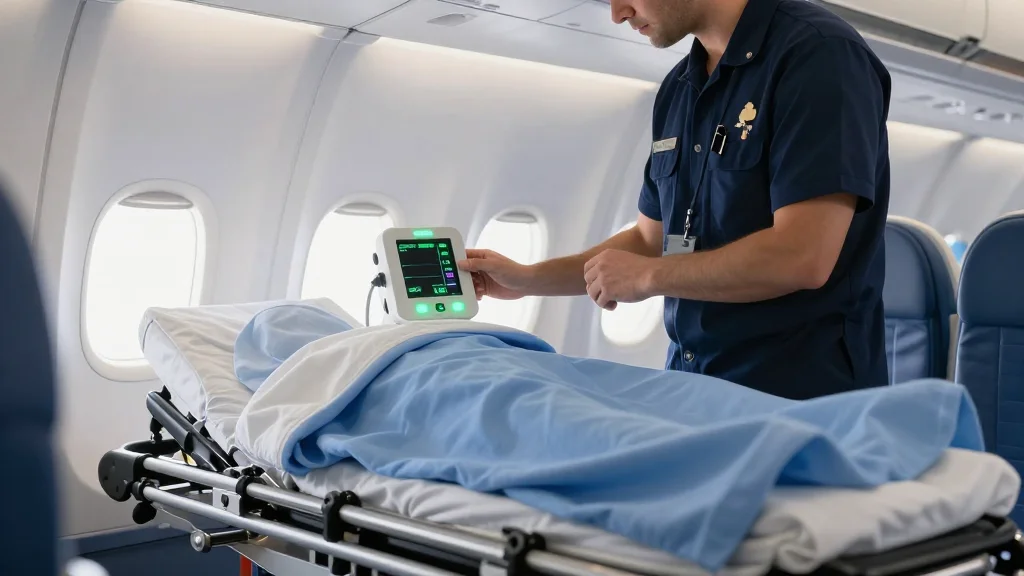
Scandinavian Airlines Has Evacuated More Than 3,500 Injured Soldiers From the Battlefields of Ukraine in Its Own Flying Hospital
Key Takeaways
- •Over 3,500 soldiers medevaced via SAS flying hospital.
- •180+ missions conducted since February 2022.
- •Boeing 737 equipped with 18 beds, three ICU units.
- •New agreement to convert A320neo fleet for future use.
- •Employees awarded Norwegian Armed Forces Medal for service.
Pulse Analysis
The war in Ukraine has forced a re‑evaluation of how nations move critical patients across borders, and SAS’s flying hospital illustrates a pragmatic solution. By leveraging a standard commercial 737, the airline provides rapid, high‑capacity transport that civilian hospitals in conflict zones cannot match. The partnership with the Norwegian Armed Forces supplies the medical expertise and logistical coordination needed for safe transfers, while the airline contributes its operational know‑how and fleet availability. This synergy reduces evacuation times, preserves lives, and showcases how private assets can be mobilised for public good.
From an aviation perspective, converting passenger jets into medical platforms is both technically feasible and economically sensible. The 737’s interior was retrofitted with 18 hospital beds, including three intensive‑care units, and space for 39 support staff, creating a self‑contained treatment environment. The recent deal to adapt A320neo aircraft ensures continuity as the older 737s phase out, signaling a longer‑term commitment to the concept. Such conversions also open new revenue streams for airlines, turning idle capacity during low‑demand periods into valuable humanitarian services.
Beyond the immediate impact on Ukrainian casualties, SAS’s model signals a broader shift toward integrated civil‑military response frameworks. Nations seeking resilient emergency‑medical logistics can look to this example for policy development, encouraging other carriers to explore similar capabilities. The recognition of SAS staff with military medals underscores the growing legitimacy of private‑sector contributions to national security objectives. As climate‑related disasters rise, the flying hospital blueprint could become a standard asset in global disaster‑relief toolkits, reinforcing the strategic importance of adaptable commercial fleets.
Scandinavian Airlines Has Evacuated More Than 3,500 Injured Soldiers From the Battlefields of Ukraine in its Own Flying Hospital
Comments
Want to join the conversation?