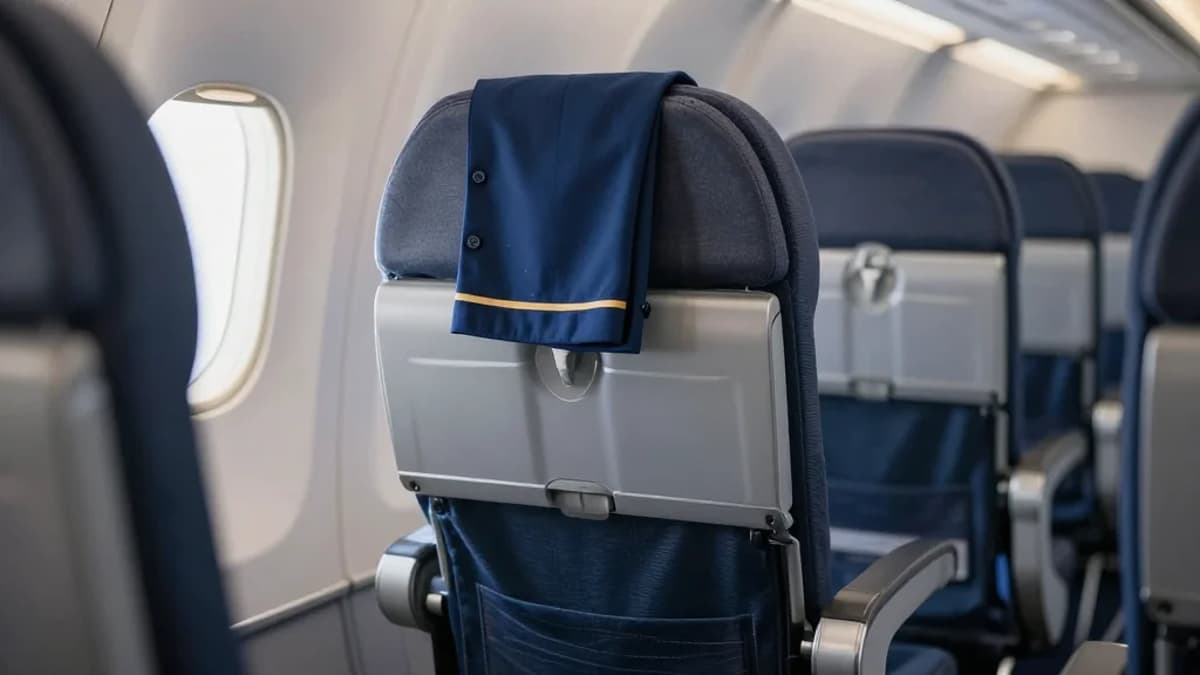
Southwest Airlines Employees Up in Arms After Flight Attendants Secure Jumpseats For Aircrew Only
•March 10, 2026
0
Key Takeaways
- •Southwest bans non‑crew from jumpseat use
- •Flight‑attendant union won policy change after years
- •Crew members gain dedicated jumpseat safety advantage
- •Other employees lose a key non‑rev travel option
- •Change ties to overhead‑bin dispute and seating issues
Summary
Southwest Airlines has revised its non‑rev policy to reserve cabin jumpseats exclusively for pilots and flight attendants. The change, secured by the TWU 556 flight‑attendant union, cites safety and operational efficiency. Non‑crew employees, who previously relied on jumpseats for discounted travel, now face longer gate waits and limited travel options. The move coincides with Southwest’s ongoing overhead‑bin dispute and recent shift to assigned seating, intensifying internal labor tensions.
Pulse Analysis
Jumpseat privileges have long been a cornerstone of airline employee benefits, allowing non‑revenue (non‑rev) staff to travel on fully booked flights when space permits. Across the industry, these seats serve as a low‑cost commuting solution for pilots, flight attendants, and other personnel, often turning a cramped cabin door into a practical travel shortcut. Southwest’s decision to restrict jumpseats to crew members disrupts this long‑standing practice, forcing thousands of non‑crew workers to rely on uncertain gate standby or paid tickets.
The union’s rationale centers on safety and operational integrity. Flight‑attendant representatives argue that only crew members possess the training required for emergency evacuations and understand the nuances of galley operations, reducing the risk of in‑flight disruptions. By dedicating jumpseats to pilots and flight attendants, Southwest aims to streamline crew movement and address lingering concerns about overhead‑bin space, a contentious issue that has already sparked negotiations over seat assignments. This policy shift reflects a broader trend where airlines prioritize crew efficiency and safety over ancillary employee perks.
For Southwest, the policy change could have ripple effects on employee morale and labor relations. Non‑crew staff, who view jumpseat access as a vital fringe benefit, may perceive the move as a concession to union demands amid broader bargaining disputes. The decision also signals to other carriers that safety‑focused, crew‑only jumpseat policies are viable, potentially prompting similar revisions industry‑wide. As airlines balance cost‑saving measures with workforce satisfaction, Southwest’s approach highlights the delicate trade‑off between operational priorities and employee goodwill.
Comments
Want to join the conversation?