Key Takeaways
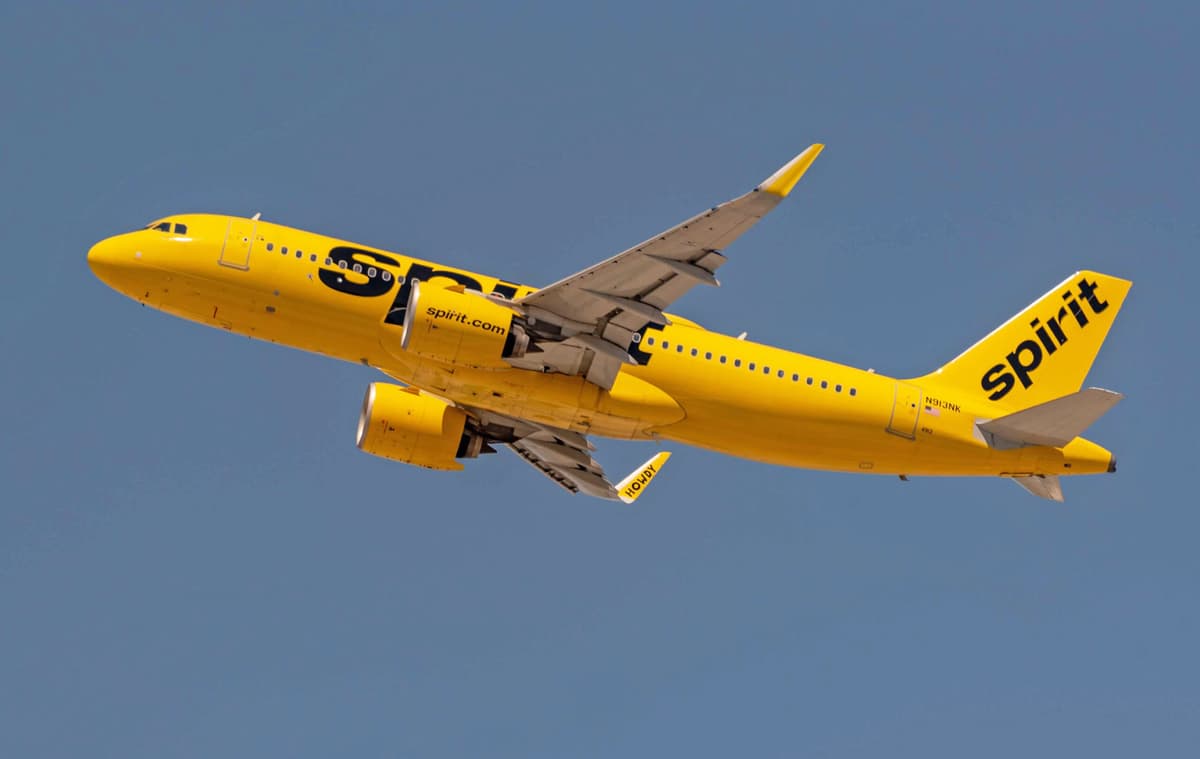
- •Spirit Airlines ceases operations, ending with 130 aircraft.
- •Liquidation affects 17,000 employees, many left unemployed.
- •Marks largest U.S. airline shutdown since Pan Am's 1991 collapse.
- •Low‑cost market gap may benefit Frontier, Allegiant, and JetBlue.
- •Creditors and rivals will scramble for Spirit's assets and routes.
Pulse Analysis
Spirit Airlines’ abrupt shutdown underscores the fragility of the ultra‑low‑cost model that relied on thin margins and high volume. After a series of bankruptcy filings and a pandemic‑induced revenue plunge, the carrier could no longer sustain its aggressive fare structure. The liquidation process will involve selling off its 130‑plane fleet, airport slots, and other assets, while creditors seek repayment. This scenario highlights how external shocks can expose vulnerabilities in airlines that prioritize cost over cash resilience.
The immediate fallout reverberates through the labor market and consumer pricing. With 17,000 workers suddenly jobless, the airline’s exit adds pressure on an already tight talent pool in aviation operations and maintenance. For travelers, the disappearance of Spirit’s ultra‑cheap fares may push price‑sensitive customers toward remaining low‑cost carriers or force them to accept higher ticket prices. Competitors like Frontier, Allegiant and JetBlue are likely to seize vacant routes, especially in secondary airports where Spirit had a strong presence, potentially reshaping fare dynamics and capacity allocation.
Historically, U.S. airline failures have ranged from merger‑driven absorptions to outright liquidations, the latter being rarer and more disruptive. Spirit joins a short list that includes Pan Am, Braniff and Eastern, marking the most consequential shutdown in 35 years. Regulators and industry leaders may revisit safeguards to mitigate systemic risk, such as enhanced liquidity requirements for ultra‑low‑cost carriers. As the market adjusts, the long‑term impact will hinge on how quickly rivals can integrate Spirit’s assets and whether the industry learns to balance aggressive pricing with financial robustness.
Spirit in the Sky
Comments
Want to join the conversation?