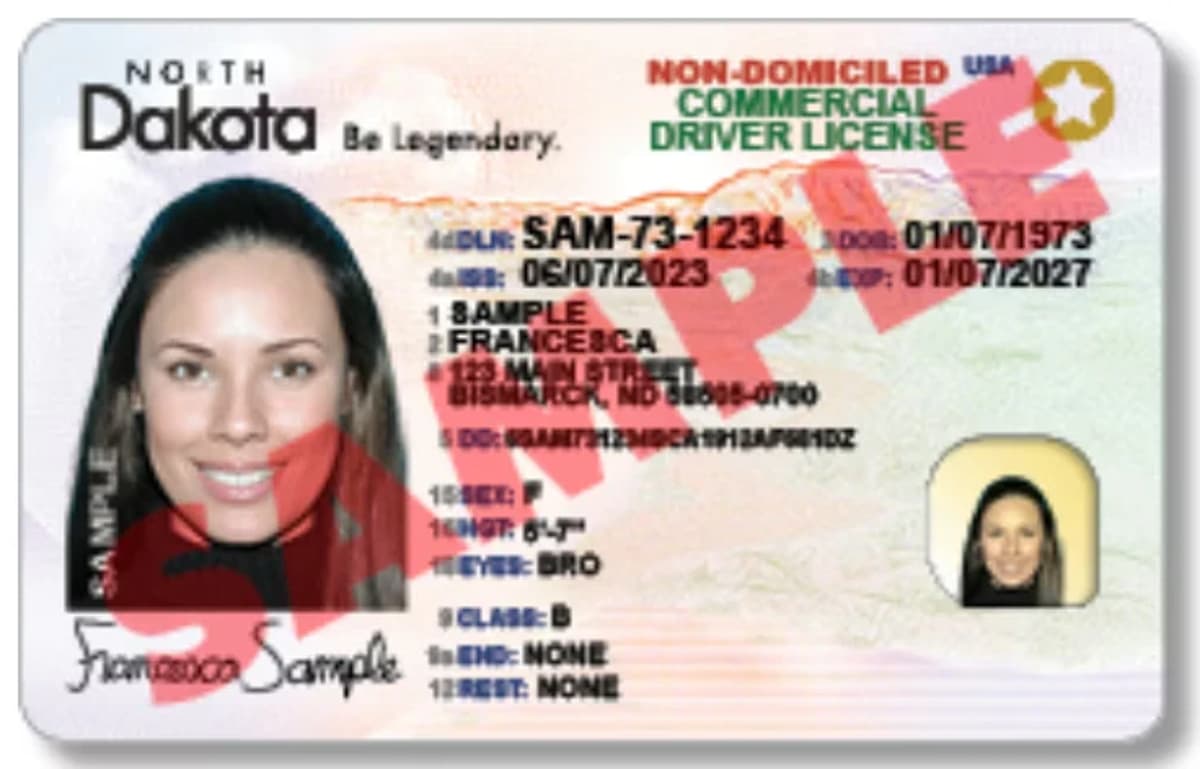
State Department Resumes Issuing Visas for Commercial Truck Drivers as Non-Domiciled CDLs Return
Key Takeaways
- •State Department lifts visa ban for commercial truck drivers.
- •Only H‑2A, H‑2B, and E‑2 visa holders may obtain non‑domiciled CDLs.
- •FMCSA re‑certifies nine states to issue non‑domiciled CDLs after audits.
- •CDLs now require in‑person processing and one‑year validity.
- •FMCSA estimates non‑domiciled CDLs will drop from 200k to 6k.
Pulse Analysis
The United States has long relied on foreign‑born drivers to keep freight moving, with industry groups estimating a shortfall of over 60,000 qualified operators. In August, the State Department abruptly halted all work‑visa processing for commercial truck drivers, a move that threatened to exacerbate the shortage and raise freight rates. After a brief review of vetting protocols, the department announced on April 13 that the pause is lifted, reinstating visas for holders of H‑2A, H‑2B and E‑2 visas. This reversal signals a pragmatic shift toward addressing the labor gap while preserving national‑security safeguards.
The Federal Motor Carrier Safety Administration (FMCSA) simultaneously tightened its own rules. Effective March 16, the agency barred most non‑domiciled CDL issuances, limiting eligibility to the three visa categories and imposing stricter documentation, English‑language proficiency, and a clean safety record. States that failed the FMCSA audit faced special orders to cease issuance; however, nine jurisdictions—including South Dakota, Texas and New Jersey—have satisfied corrective‑action plans and regained approval. Licenses now must be obtained in person and are limited to a one‑year term, curbing long‑term reliance on foreign‑issued credentials.
Carriers are already adjusting to the new landscape. With FMCSA projecting the pool of non‑domiciled CDLs to shrink from roughly 200,000 to just 6,000, firms must diversify recruitment, invest in domestic driver training, and leverage technology to improve retention. The rapid issuance of 132 Class A licenses in North Dakota within ten days demonstrates that demand remains robust despite tighter controls. Stakeholders will watch how the balance between safety oversight and labor availability evolves, as the policy could set a precedent for future immigration‑related workforce strategies in logistics.
State Department resumes issuing visas for commercial truck drivers as non-domiciled CDLs return
Comments
Want to join the conversation?