Sunday Movies: Beautiful & Useful Transit
Key Takeaways
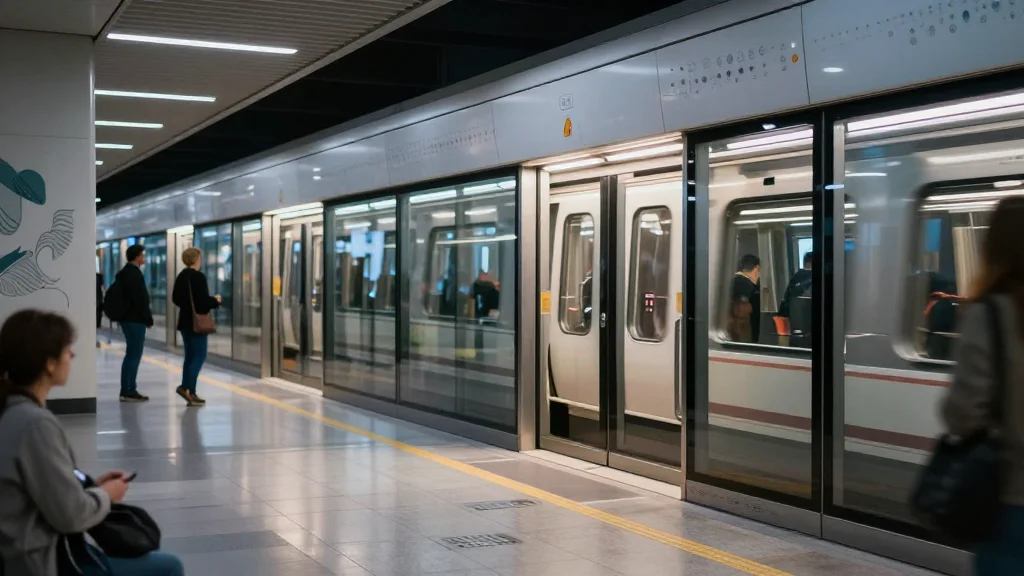
- •Paris adds automated trains, platform screen doors, 5‑minute service.
- •Stockholm’s stations feature unique art, creating a city‑wide exhibition.
- •Seattle’s newer stations lack distinct visual cues, confusing riders.
- •Both Stockholm and Sound Transit allocate ~1% of capital to art.
- •Distinct station design improves wayfinding and overall passenger experience.
Pulse Analysis
Paris’ transit overhaul illustrates how technology and urban design can converge to create a truly "ultra‑useful" network. Automated trains reduce labor costs and improve reliability, while platform screen doors enhance safety and allow tighter scheduling. The city’s commitment to five‑minute service on key corridors, pedestrian‑first station entrances and mixed‑use retail not only shortens trip times but also turns stations into community hubs, encouraging higher ridership and supporting local economies.
Stockholm’s metro, often dubbed the world’s longest art exhibition, demonstrates the power of cultural investment in public infrastructure. By allocating roughly 1% of station capital to bespoke artworks, the system gives each stop a recognizable aesthetic, turning daily commutes into visual experiences. This strategy not only enriches the city’s cultural fabric but also serves a practical purpose: unique visual cues help passengers identify their stations instantly, reducing reliance on signage and announcements. The model shows that modest art budgets can yield outsized returns in brand identity and passenger satisfaction.
Seattle’s Sound Transit mirrors Stockholm’s art spending but falls short on visual differentiation. Many underground stations share uniform finishes, making it difficult for riders to confirm their location without clear sightlines. This lack of distinctiveness can lead to missed stops and increased anxiety, especially for tourists or occasional users. The Seattle case underscores that budget parity alone does not guarantee functional outcomes; thoughtful design that prioritizes wayfinding is essential. Cities aiming to modernize transit should consider both aesthetic investment and the strategic placement of unique architectural elements to create systems that are both beautiful and highly usable.
Sunday Movies: Beautiful & Useful Transit
Comments
Want to join the conversation?